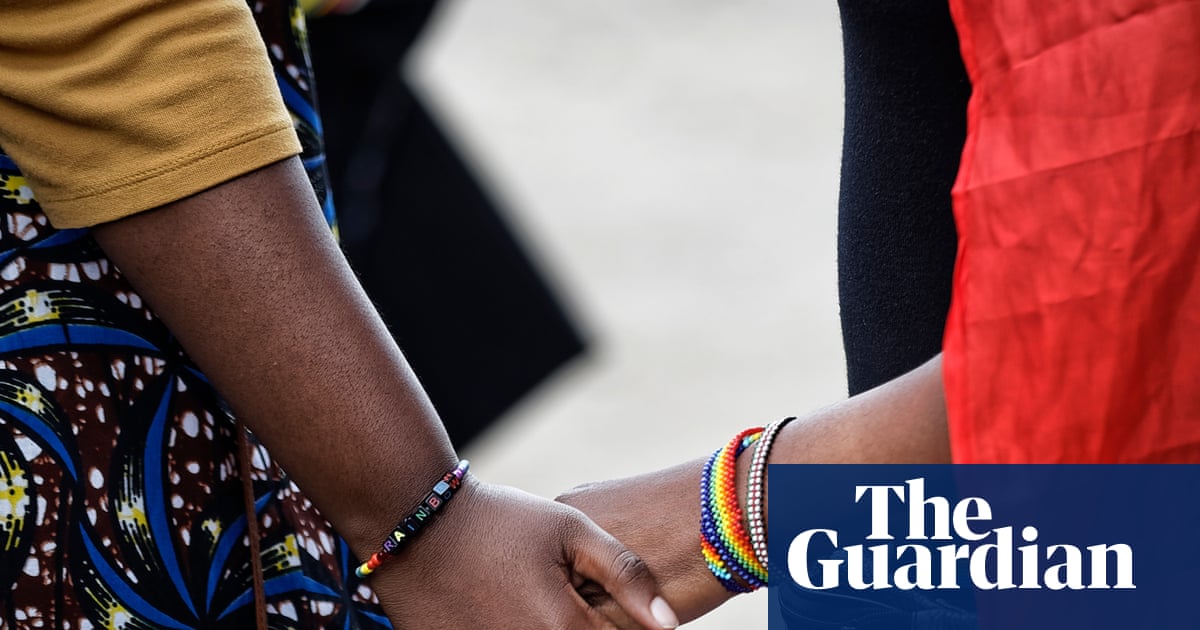
West African nations are increasingly adopting or tightening legislation that criminalizes LGBTQ+ individuals, according to human rights advocates monitoring the region. Recent examples include Senegal’s decision to raise prison sentences for same-sex relations to a decade in March, while Niger became the first country to explicitly outlaw such relationships in February. Ghana, Mali, and Burkina Faso have also enacted similar measures within the past two years, with several of these nations governed by military administrations.
Campaigners attribute this legislative trend to political calculation rather than genuine public concern. According to activists, politicians have identified LGBTQ+ communities as convenient targets for consolidating power, particularly when framed alongside broader debates about national sovereignty and cultural values. Religious organizations and international conservative groups have reportedly amplified these efforts, with some western Christian advocacy organizations providing financial and strategic support to anti-LGBTQ+ movements across the continent.
The consequences for affected populations have already proven severe, even before new laws take full effect. Documented cases include arbitrary detention of transgender individuals and police tactics involving social media entrapment. Human rights workers have reported fleeing their countries following harassment and threats, while vulnerable community members face beatings and convictions under these newly strengthened statutes. International forums promoting “family values” are scheduled to continue meetings across African nations in coming years.
Originally reported by Theguardian →
About the Author