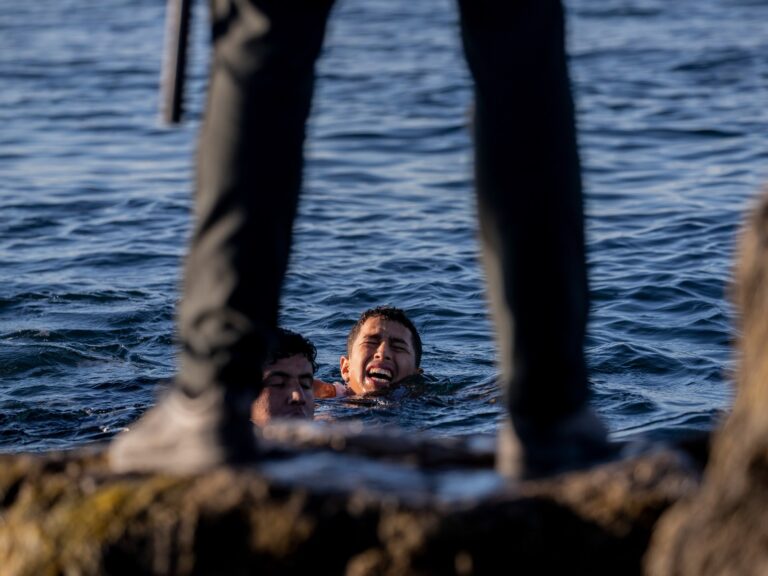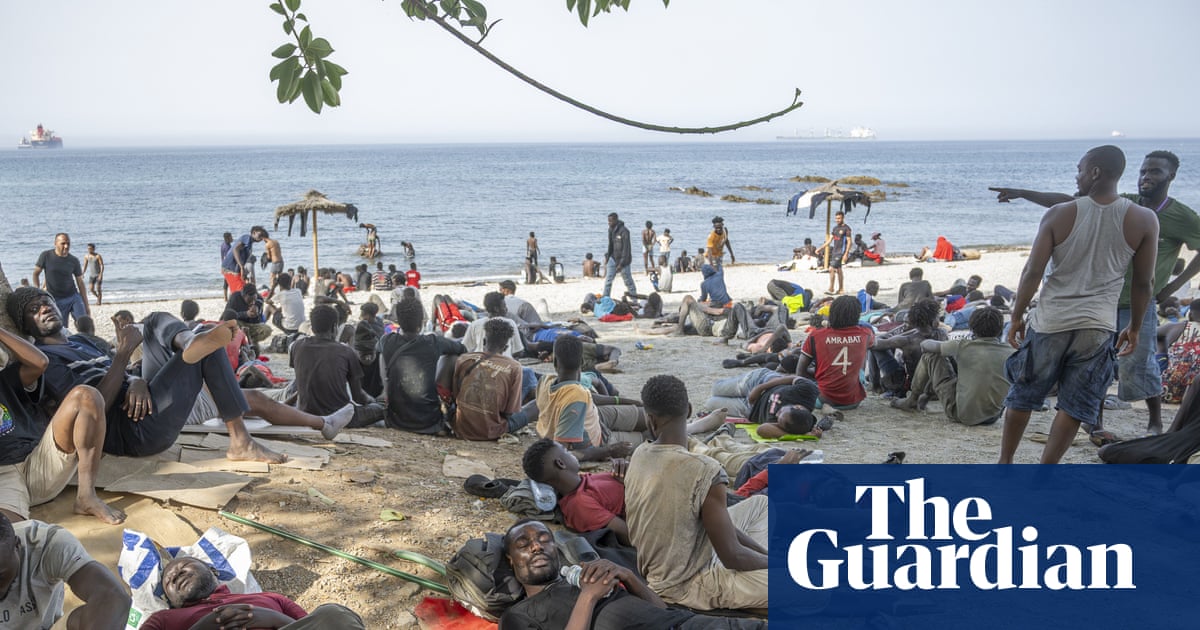
Over 50,000 people have crossed into the Spanish enclave of Ceuta this week in a dramatic surge that has left authorities struggling to manage the influx. The mass migration began when approximately 400 individuals initially swam across the strait from Morocco, prompting others to attempt the dangerous journey. Among them was Youssef El Abbas, a 44-year-old Moroccan who had been deported from Spain seven years earlier and saw the crossing as an opportunity to rebuild his life.
The journey proved chaotic and deadly. El Abbas reported witnessing at least four bodies in the water during his brief swim across the border, part of a broader tragedy that claimed at least 72 lives. He also noted that Moroccan police appeared to actively encourage crossings on Wednesday, with officers directing migrants toward Spanish territory, a stark contrast to their violent tactics the previous night. However, authorities selectively allowed only Moroccan citizens to pass, forcibly preventing sub-Saharan migrants from crossing.
Spain’s government has characterized the situation as a breach of national sovereignty, attributing it to human trafficking networks. However, analysts suggest Morocco’s decision to ease border controls may reflect diplomatic tensions, particularly following Spain’s recent visit to Algeria, which supports Western Saharan independence efforts. Morocco’s government has denied orchestrating the crossings, instead blaming criminal organizations. The incident echoes a similar 2021 event when Morocco allowed 10,000 people to enter Ceuta during another diplomatic dispute.
Originally reported by Theguardian →
About the Author