A Brain Implant in Korea Was Just Controlled From More Than 6,500 Miles Away
 Long-distance control.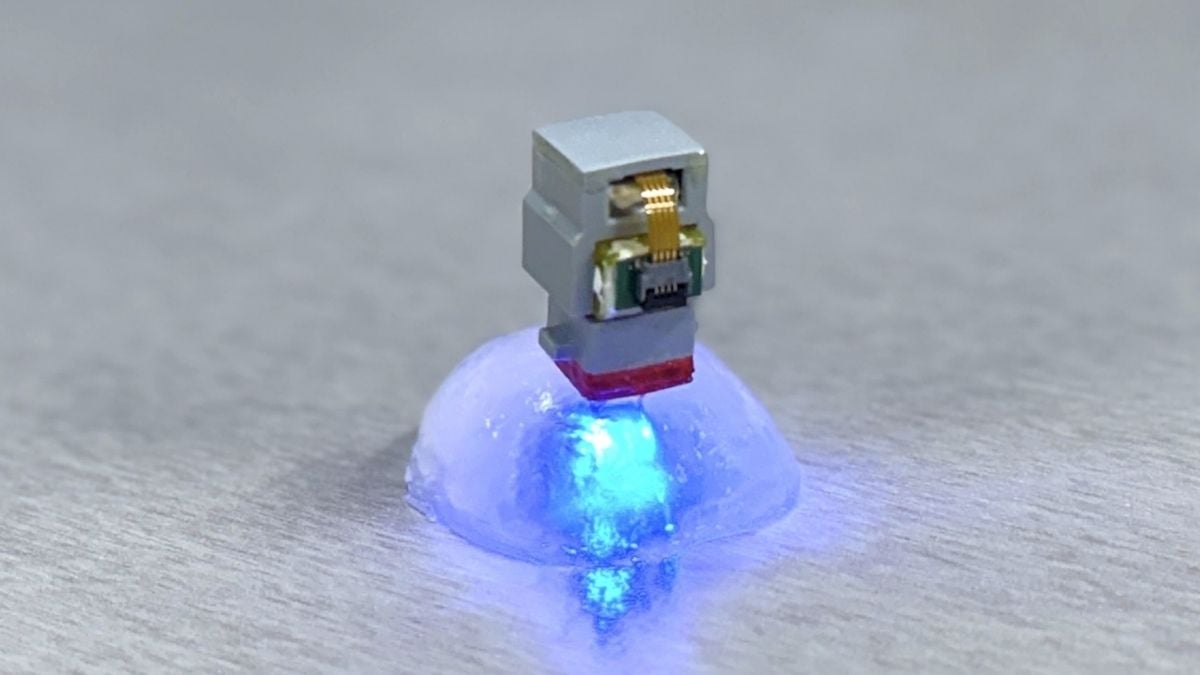
“`html
Researchers have successfully demonstrated remote control of a wireless brain implant across vast distances. Scientists sent commands from Chicago to an implant located in Daejeon, South Korea—over 10,500 kilometers away—with the signal traveling through the internet in approximately 109 milliseconds. This intercontinental test represents a significant advancement in neurotechnology and opens new possibilities for conducting brain research without geographical constraints.
The device, called RAPIDO, was developed by teams at KAIST and Yonsei University and combines multiple capabilities in a compact form. The implant can deliver pharmaceutical substances through a miniature channel and emit light from a built-in LED, with both functions controllable and programmable via the internet. Notably, it features a refillable cartridge, eliminating the need for repeated surgical procedures to replace the device during extended studies.
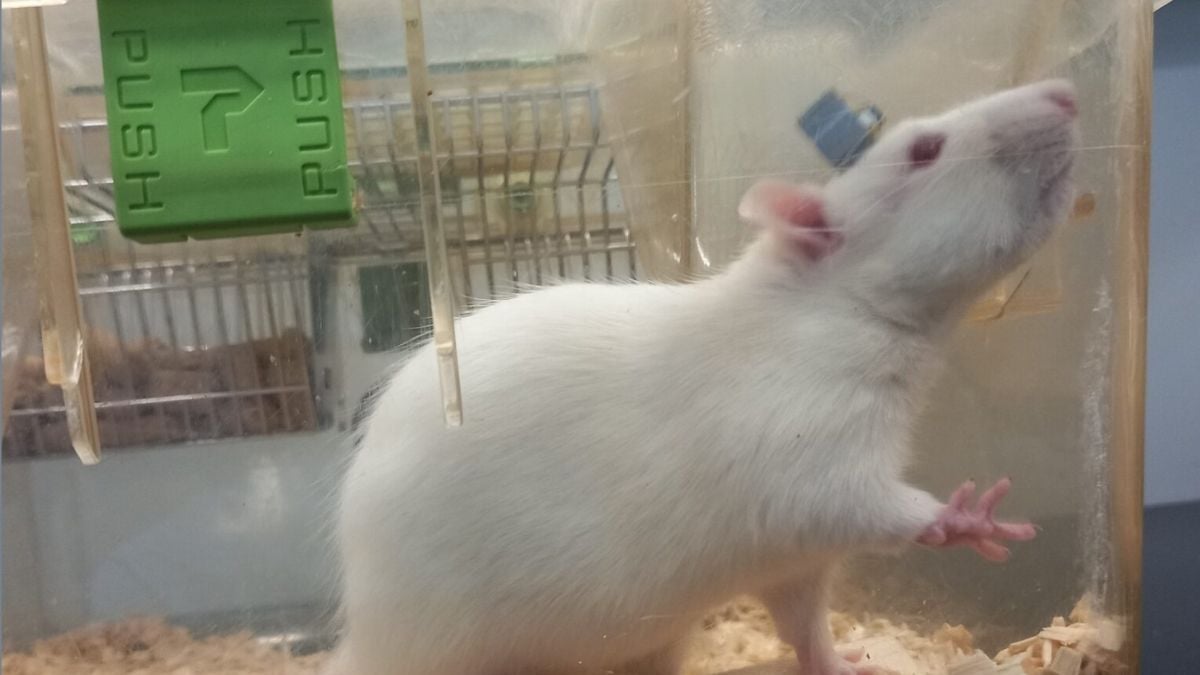
Scientists tested RAPIDO’s functionality through rat experiments. In one trial, the implant delivered controlled cocaine doses directly to specific brain regions, producing measurable behavioral changes that remained consistent over several weeks. A separate experiment used light stimulation to modify how rats responded to drug-related cues, demonstrating the implant’s ability to investigate connections between neural activity and behavior.
While the results are promising for research purposes, developers emphasize that RAPIDO remains a research platform rather than a clinical treatment. Significant challenges remain before human applications, including long-term safety testing and biocompatibility studies. The remote-control capability could reduce researcher interference in animal behavior studies and enable collaborative experiments across international locations.
“`
Originally reported by Sciencealert →
About the Author