“`html
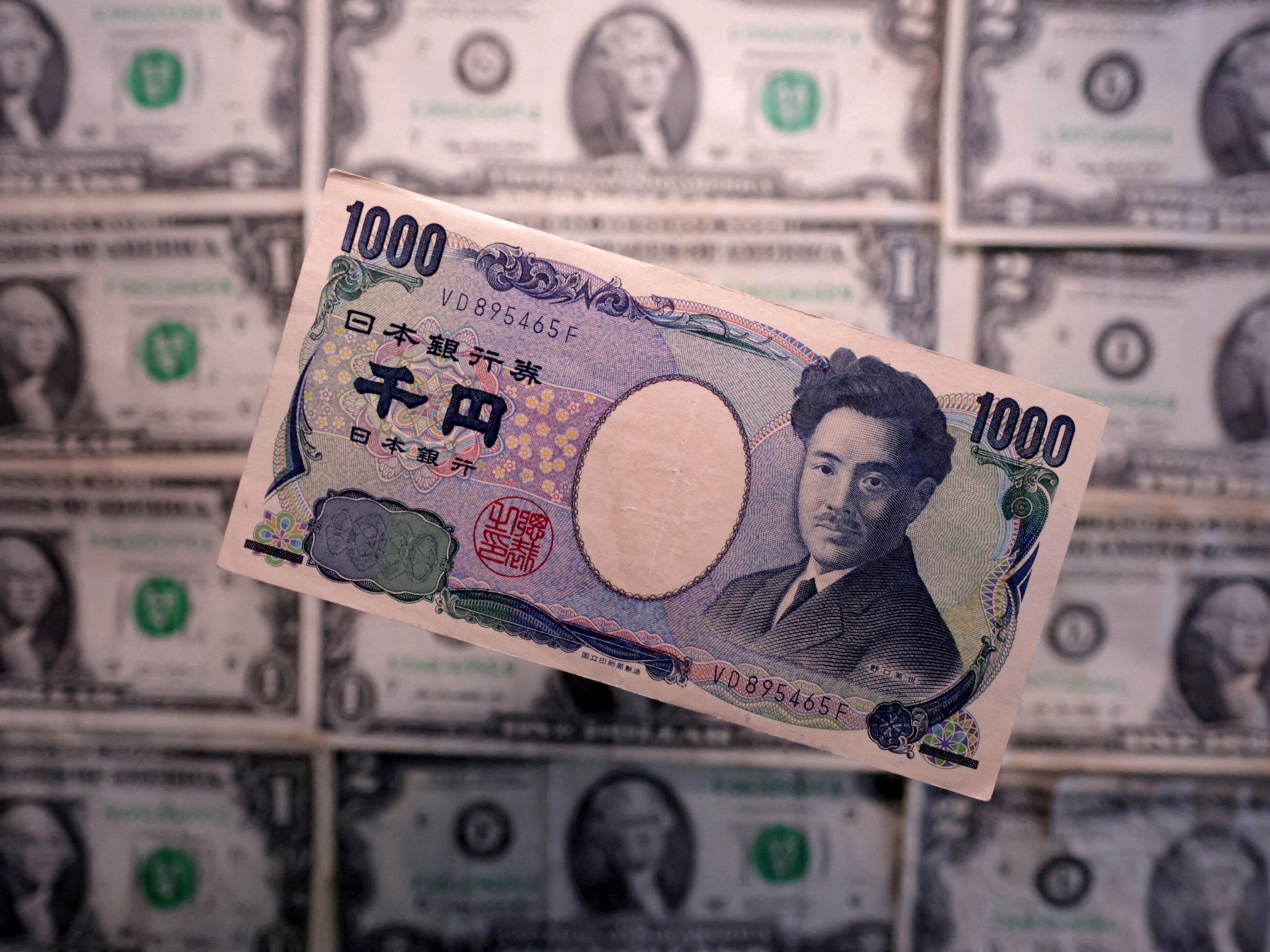
The United States and Japan recently undertook a joint effort to stabilize the Japanese yen after it reached a 40-year low against the dollar. The coordination between Washington and Tokyo represents an unusual move, as governments typically focus on their own currencies rather than supporting another nation’s. However, the yen’s significance as the world’s third-most-traded currency means its sharp decline poses risks to the broader international financial system. The intervention began in late July when the US Treasury sold euros to purchase yen while Japanese authorities simultaneously bought their own currency, causing the yen to strengthen from 163 to 157 against the dollar within days.
Japan’s currency weakness stems from decades of economic stagnation and the Bank of Japan’s long-standing policy of maintaining ultra-low interest rates to stimulate growth. While a weaker yen has boosted tourism and export competitiveness, it has raised import costs for Japanese consumers. Current economic policies under Prime Minister Sanae Takaichi continue to prioritize growth and fiscal stimulus over currency stability, preventing sustained improvement despite Tokyo spending tens of billions of dollars on defense measures since 2022.
The United States has its own strategic interests in supporting the yen’s stability. A continued currency collapse could force Japan to sell substantial holdings of US Treasury securities, currently valued at over $1 trillion, which would increase American borrowing costs. Beyond financial implications, maintaining stability in the yen helps protect global liquidity and prevents broader market disruption. Experts suggest the intervention provides short-term relief but that Japan will require fundamental policy changes, including interest rate increases, to achieve lasting currency strength.
“`
Originally reported by Aljazeera →
About the Author