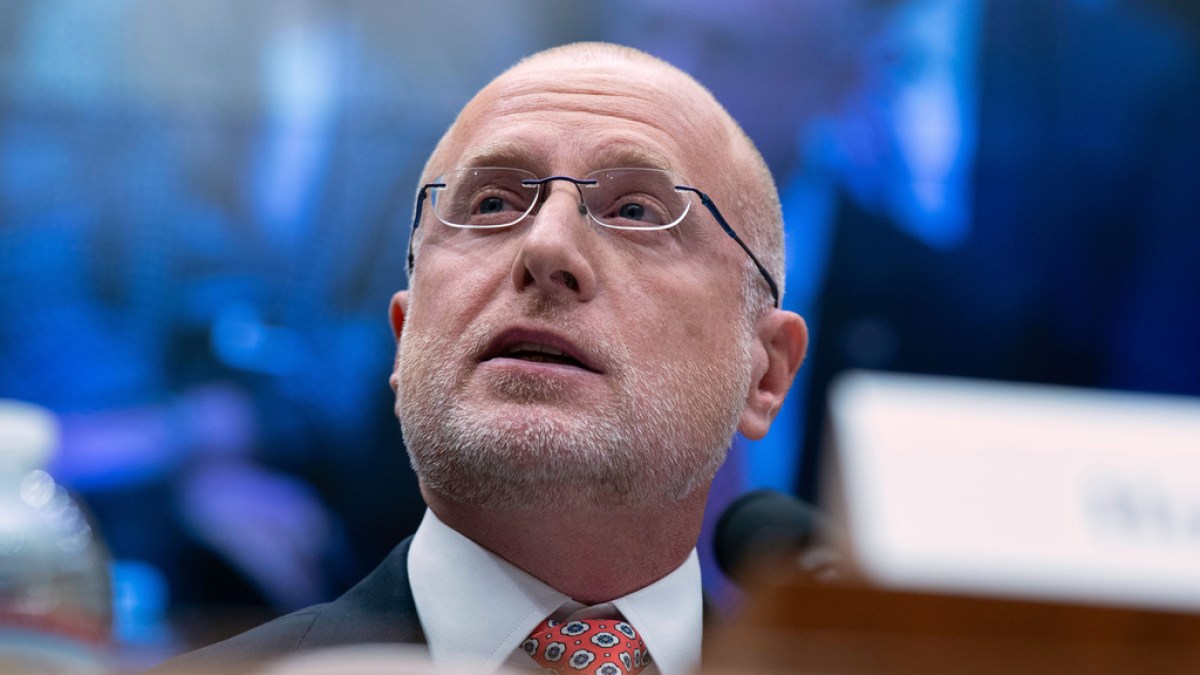
The Federal Communications Commission voted to eliminate a longstanding restriction that prevented local television station owners from controlling broadcasts reaching more than 39 percent of American households. The 2-1 decision replaces the ownership cap with a case-by-case review process for future mergers and acquisitions in the broadcasting industry.
FCC Chairman Brendan Carr supported the change, arguing that outdated regulations are harming local broadcasters’ ability to compete and invest in programming. He drew parallels to the decline of local newspapers, suggesting that similar restrictions contributed to their deterioration. Under the new approach, the agency will evaluate individual ownership proposals to determine whether they serve the public interest rather than applying a blanket restriction.
However, the decision has generated significant opposition from media watchdogs and policymakers. Commissioner Anna Gomez, the sole Democrat on the panel, contended that only Congress possesses the authority to modify the cap and characterized the move as illegal. Critics worry that removing this safeguard will accelerate media consolidation, allowing a handful of powerful companies to dominate local news and information available to millions of Americans.
The FCC’s recent approval of Nexstar’s acquisition of Tegna—a transaction that would expand the company’s reach to 80 percent of households—preceded this decision, raising additional concerns about concentrated ownership in broadcasting.
Originally reported by Aljazeera →
About the Author