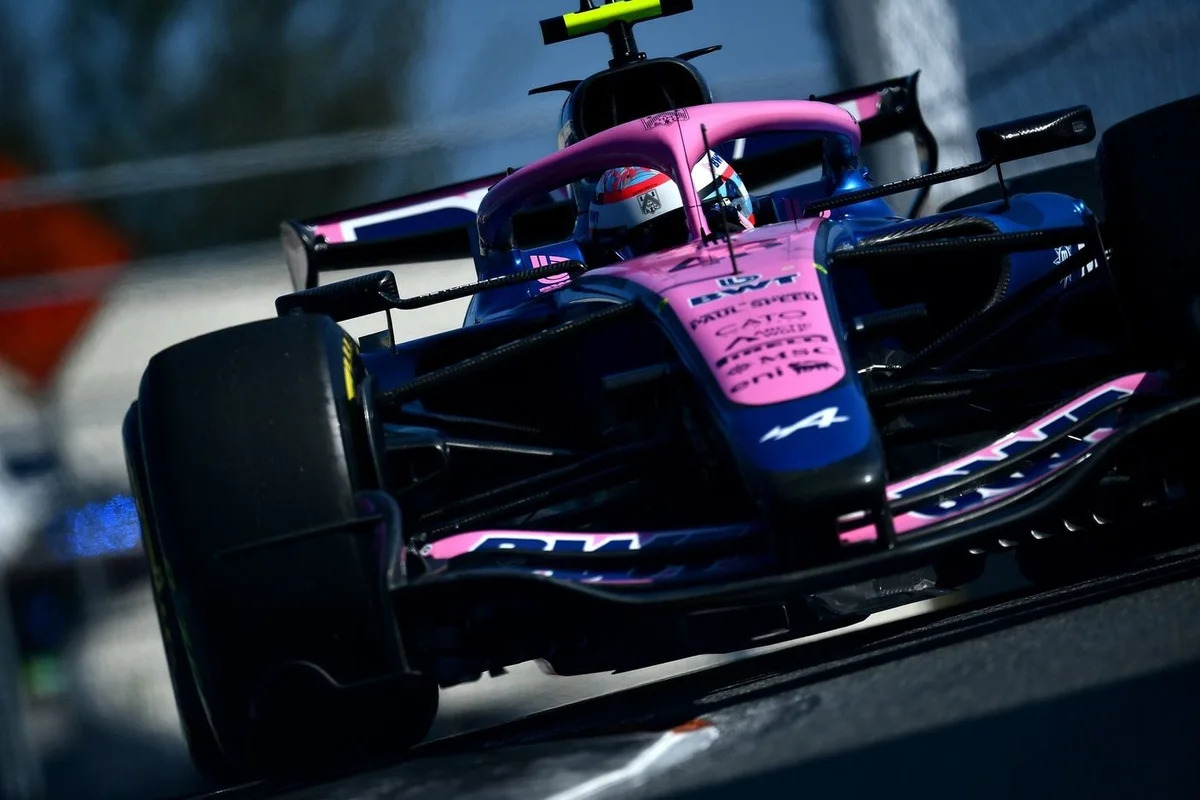
Franco Colapinto’s performance improvement at Alpine following the Miami Grand Prix stemmed from multiple converging factors rather than a single breakthrough. Both Colapinto and teammate Pierre Gasly acknowledged that Racing Bulls had surpassed Alpine in development during the weeks leading up to the summer break, prompting the team to prioritize an upgrade package for the upcoming Zandvoort race.
For Colapinto personally, the turnaround marked a significant shift after a difficult opening to his season. While he felt comfortable in the car during winter testing in Bahrain, the initial races proved puzzling—he maintained positive sensations behind the wheel yet consistently lost pace to Gasly. This disconnect between feel and performance created analytical challenges for both driver and team during the first three weekends.
The Miami race introduced a new, lighter chassis alongside a substantial upgrade package, though Colapinto resisted attributing success to any single element. During the April break, the team conducted detailed data analysis that yielded crucial progress in energy management—a critical consideration for 2026. Colapinto particularly highlighted improved consistency in power deployment following lessons from the Japanese Grand Prix.
The combination of technical improvements, enhanced understanding of energy management, and the psychological boost from receiving new equipment enabled Colapinto to close the gap to Gasly. Since Miami, he has recorded five points finishes and outperformed his French teammate four times on race Sundays, suggesting the multi-faceted approach successfully addressed the underlying performance issues.
Originally reported by Sports.yahoo →
About the Author