Strange DNA Structures Found in The Human Genome Go Beyond The Double Helix
 “We now have a complete picture."
“`html
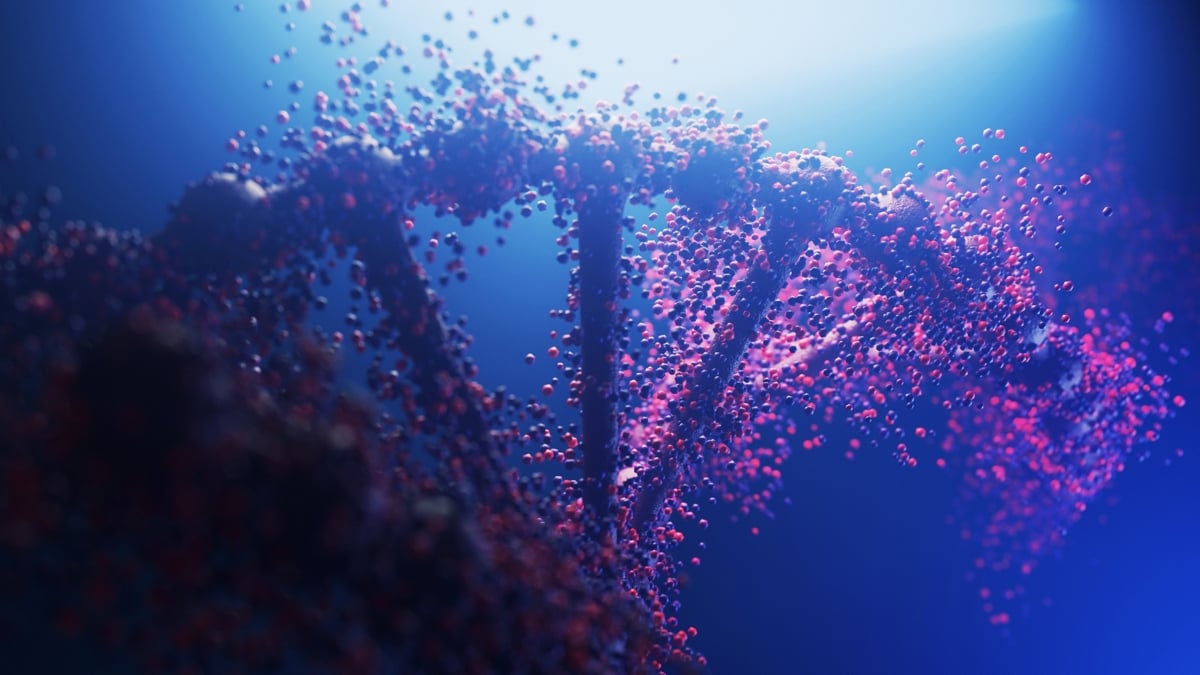
Scientists have discovered that human DNA contains far more structural diversity than the classic double helix model suggests. Researchers analyzing genomes from humans and six ape species identified numerous alternative DNA configurations that deviate from the traditional twisted ladder pattern, expanding our understanding of how genetic material is actually organized within our cells.
The breakthrough became possible through recent advances in sequencing technology that can read longer stretches of genetic code at once, rather than assembling small fragments. These improved methods revealed that roughly 13 percent of the human genome contains these non-canonical DNA structures, including formations such as hairpins, G-quadruplexes, and bent DNA shapes. The research team found these alternative structures were particularly concentrated in satellite DNA, which plays roles in chromosome organization and stability.
While scientists are still determining the full implications, evidence suggests these non-standard structures could significantly impact various cellular processes, including DNA replication, gene regulation, and chromosome protection. Some research indicates the alternative formations may drive evolution, though other studies warn they could contribute to diseases including cancer, neurological disorders, and genetic conditions like Werner syndrome.
Moving forward, researchers hope this expanded knowledge of non-B DNA distribution will illuminate how these structural variations influence human health and disease development, marking a shift toward understanding the genome beyond its basic sequence information.
“`
Originally reported by Sciencealert →
About the Author