History’s ‘Barbarians’ Were Far More Sophisticated Than We Give Them Credit For
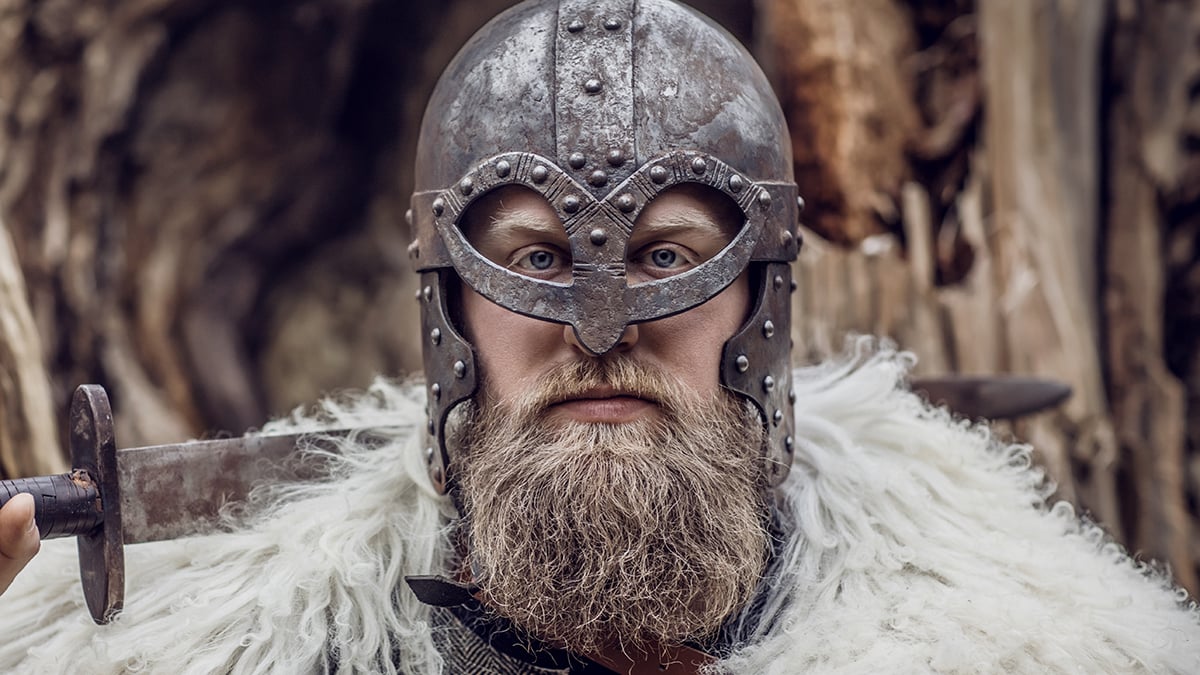 'Chaos' was a clever strategy.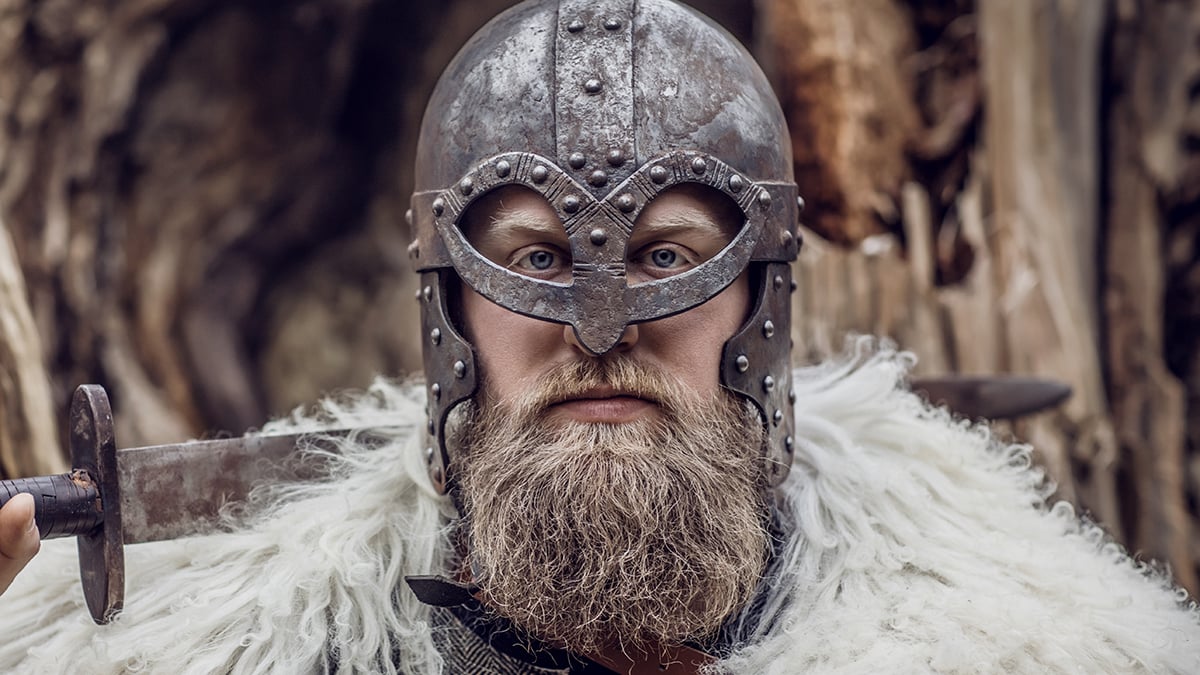
Academics are challenging the long-held assumption that ancient societies labeled as “barbarians” lacked sophistication and organization. According to a new study in the Journal of Archaeological Research, groups including the Vikings, the Haudenosaunee Confederacy, the Sea Peoples, and the Comanche demonstrated remarkable strategic capabilities despite operating without centralized leadership structures.
Researchers from US and Swedish institutions argue that historical accounts were heavily skewed by records written by those who encountered these groups as adversaries. Rather than primitive raiders, these societies employed deliberate political strategies, using decentralization as a tactical advantage that made them difficult to conquer. Their activities, including raids and resource acquisition, were coordinated efforts designed to benefit their communities rather than chaotic violence.
The study reveals that these groups successfully balanced autonomy among their various clans and nations while pursuing collective objectives through sophisticated institutional networks. This coordination allowed them to scale their activities without developing the centralized power structures typical of established empires and states. Researchers note that what outsiders perceived as disorganized actually represented carefully calibrated systems of cooperation.
The findings underscore how written history often reflects the perspective of literate civilizations, potentially overlooking the complexity of oral cultures. Scholars emphasize the need for additional cross-cultural analysis and suggest integrating archaeological data with oral histories to develop a more complete understanding of how decentralized societies functioned and evolved.
Originally reported by Sciencealert →
About the Author