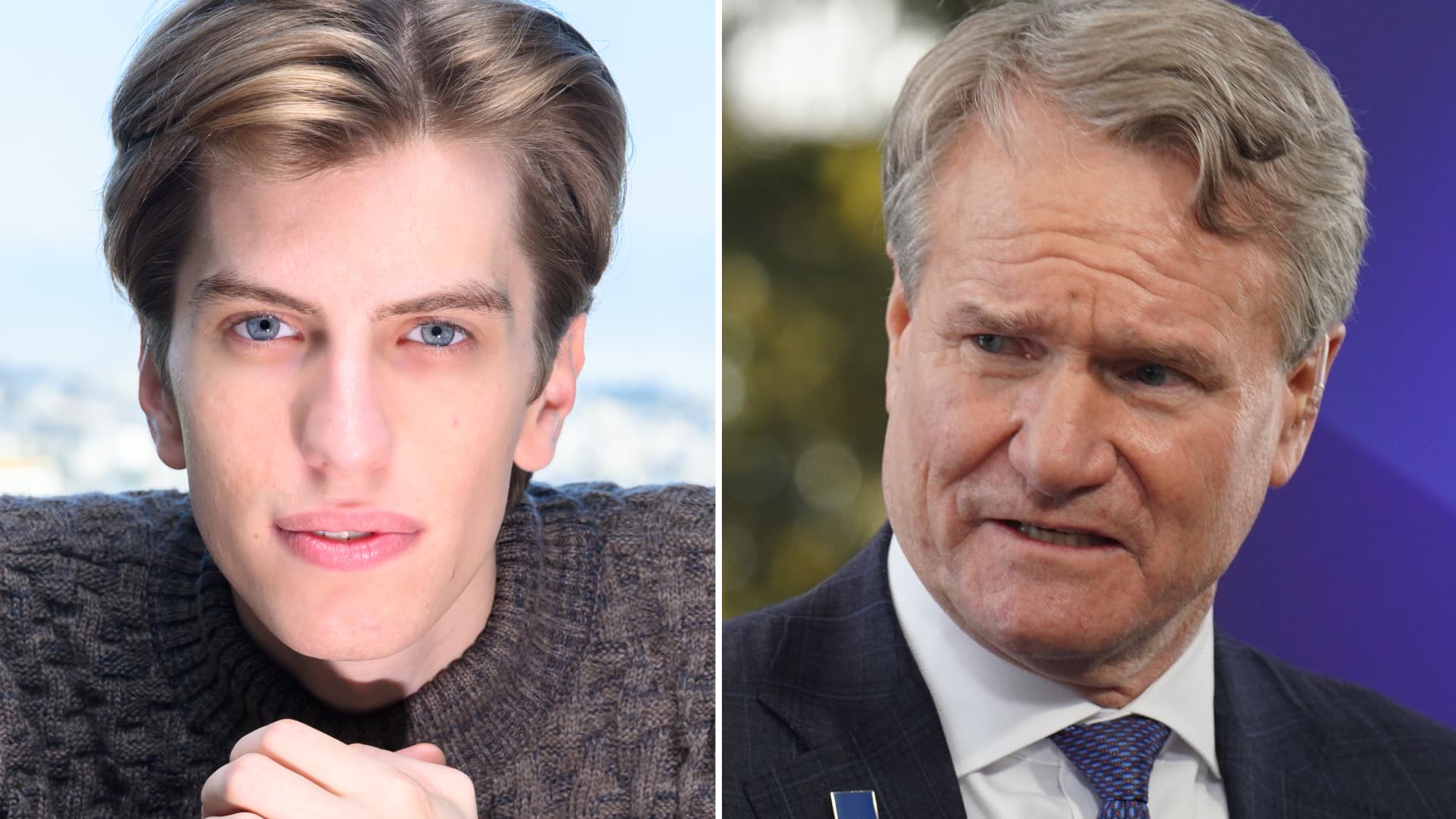
Bank of America’s chief executive has characterized the recent collapse of artificial intelligence-focused hedge fund Situational Awareness as a cautionary signal regarding the dangers of excessive leverage in financial markets. The fund, managed by Leopold Aschenbrenner, experienced a severe downturn after technology stock valuations declined, forcing it to liquidate most of its equity holdings to rival firm Citadel in a distressed sale.
Bank of America functioned as one of three major prime brokers for Situational Awareness, alongside Goldman Sachs and JPMorgan Chase, providing trading execution and financing for the fund’s positions. The hedge fund had grown rapidly since its 2024 launch, accumulating $45 billion in assets before the recent crisis exposed the risks inherent in its concentrated investment strategy and heavy reliance on borrowed capital.
CEO Brian Moynihan indicated that major Wall Street firms are reassessing their risk exposure to highly leveraged investment operations. He emphasized the necessity of scrutinizing valuations and debt levels within the financial system and suggested that prime brokers would likely implement tighter underwriting protocols moving forward, particularly during periods of substantial stock market gains.
Despite Situational Awareness’s near-collapse, Bank of America stated it would have weathered the situation without the Citadel intervention. The fund’s troubles underscored how concentrated positions in specialized sectors like artificial intelligence hardware can amplify losses when market conditions deteriorate.
About the Author