Researchers exploring novel treatments for chronic insomnia have found that fecal microbiota transplants—capsules containing healthy gut bacteria—may significantly improve sleep quality. In a trial involving 80 adults with long-term insomnia across Chinese hospitals, participants receiving the bacterial transplants showed marked improvements in sleep efficiency, jumping from 79% to 93% within one month. The control group taking placebos saw minimal changes. Recipients also experienced fewer nighttime awakenings, with time spent awake after falling asleep dropping from 79 minutes to just 17 minutes.
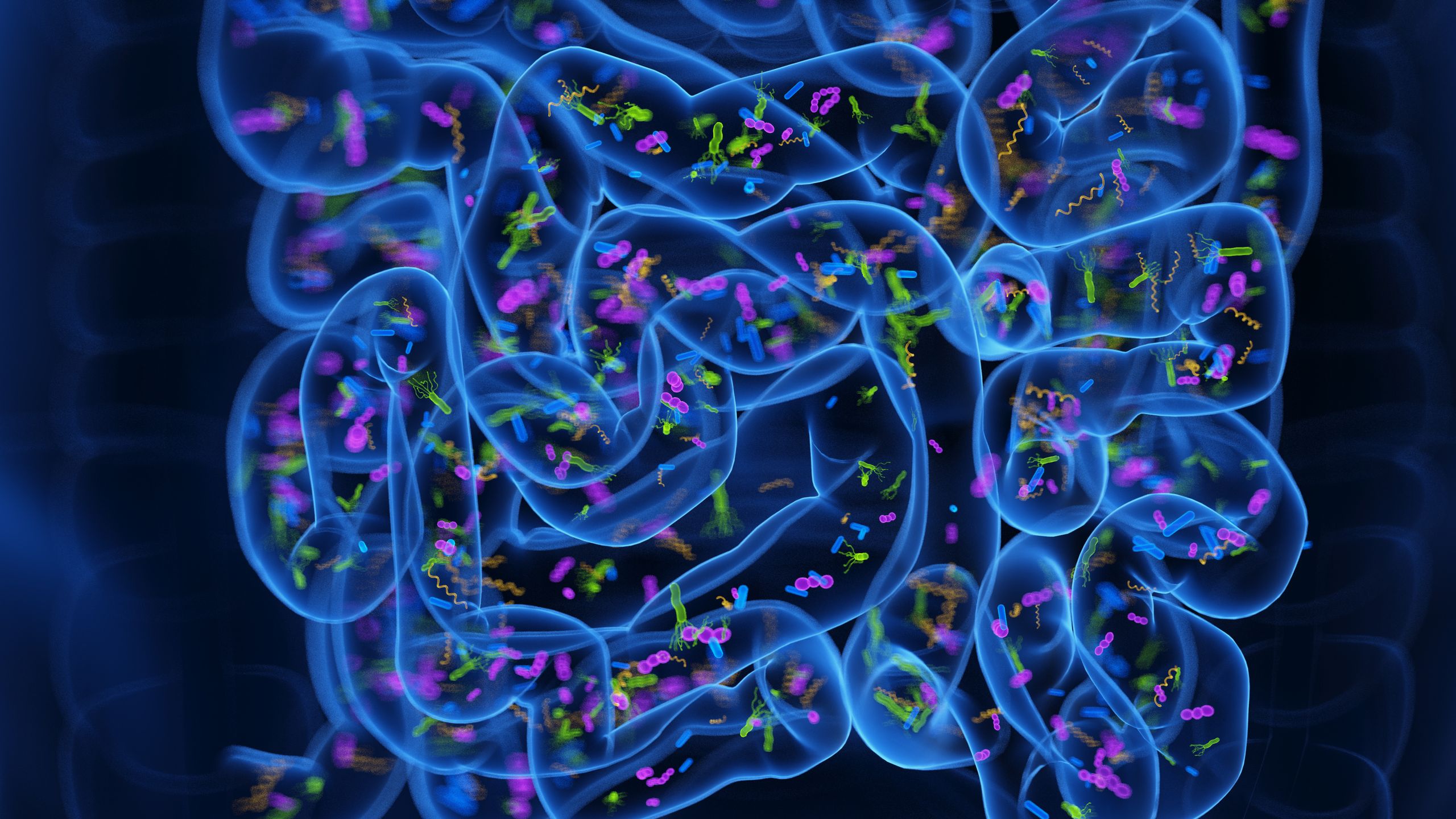
The mechanism behind this improvement appears linked to the gut-brain connection. Gut bacteria produce chemicals that travel through the bloodstream to the brain, potentially influencing inflammation, stress responses, and sleep-wake cycles. Following treatment, the microbial composition in transplant recipients became more diverse and shifted toward healthier bacterial populations, while the placebo group’s microbiomes remained unchanged. Benefits persisted for six months after treatment.
Experts urge caution interpreting these early findings. The trial was small and limited to relatively healthy Chinese adults, raising questions about broader applicability. Researchers also noted uncertainty about whether improvements stemmed from the bacterial transplants alone or the antibiotics used beforehand. Additionally, only one objective sleep measurement occurred after treatment. Experts stress that fecal microbiota transplants remain experimental and should not be used outside controlled clinical settings until larger, more comprehensive studies confirm safety and effectiveness.
Originally reported by Livescience →
About the Author