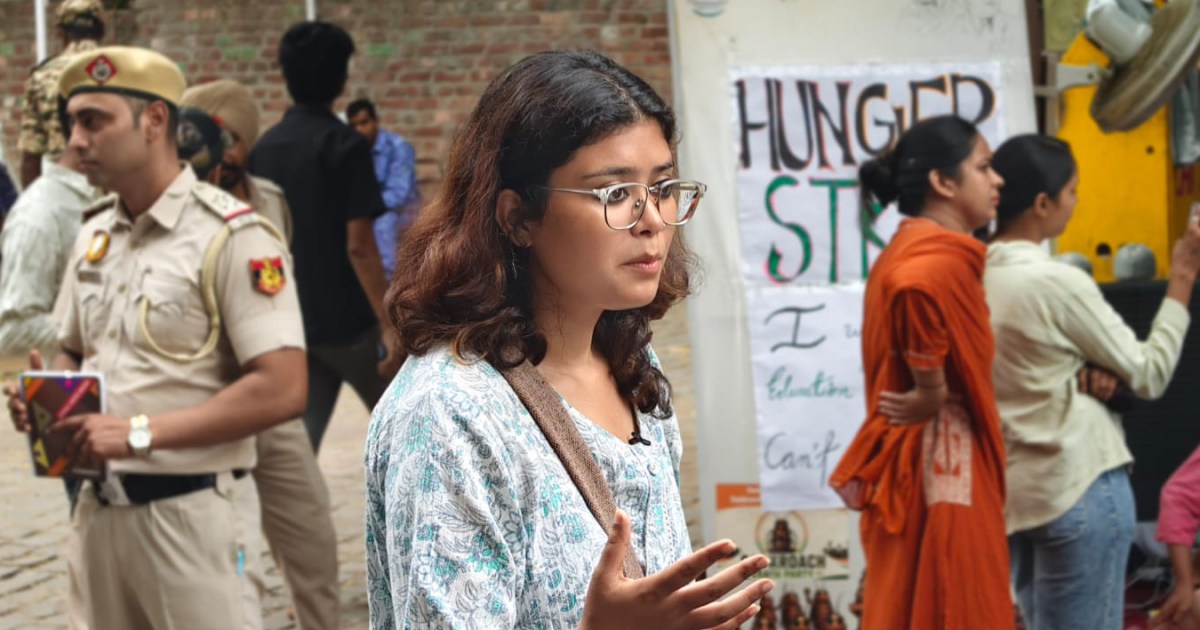
Thousands of young Indians have joined recent demonstrations demanding education reforms, creating unexpected rifts within families whose parents support Prime Minister Narendra Modi and the Bharatiya Janata Party. The protests, triggered by a leaked medical entrance exam that led to over 20 student suicides, have forced the resignation of the Education Minister and prompted government action on exam security. The movement has exposed divisions between generations, with young adults questioning the values they inherited from their families.
Nineteen-year-old Kunal Choudhary exemplifies this generational clash. His father, a businessman and member of both the BJP and the RSS—a far-right paramilitary organization that serves as the BJP’s ideological foundation—raised his son in that tradition. However, Choudhary became disillusioned, criticizing the RSS for promoting hatred toward Muslims and marginalized communities rather than teaching useful skills. He abandoned his final semester exams to participate in the capital’s demonstrations, a decision that strained his relationship with his family.
The young protester’s experience reflects broader family tensions across India. While his parents struggled to understand a movement that brought people together regardless of religion or caste, Choudhary found meaning in the solidarity displayed by participants. A viral video of him discussing government corruption deepened the rift, leading his father to ask him to stop criticizing the BJP and RSS. Despite maintaining contact with his parents, Choudhary has chosen not to return home, citing fundamental differences in worldview between his generation and the adults who raised them.
Originally reported by Aljazeera →
About the Author