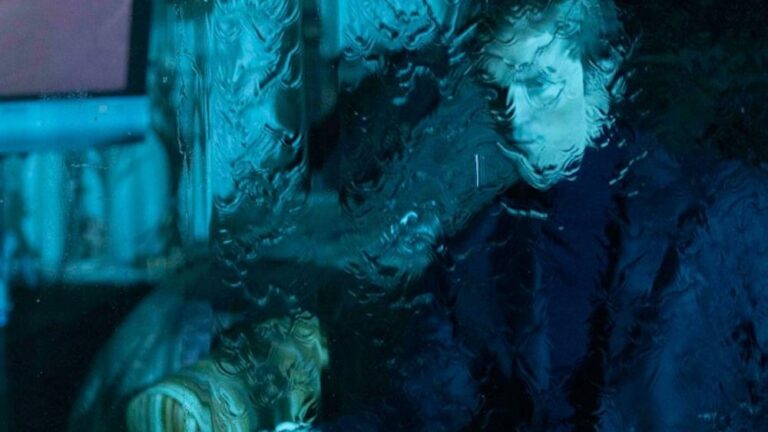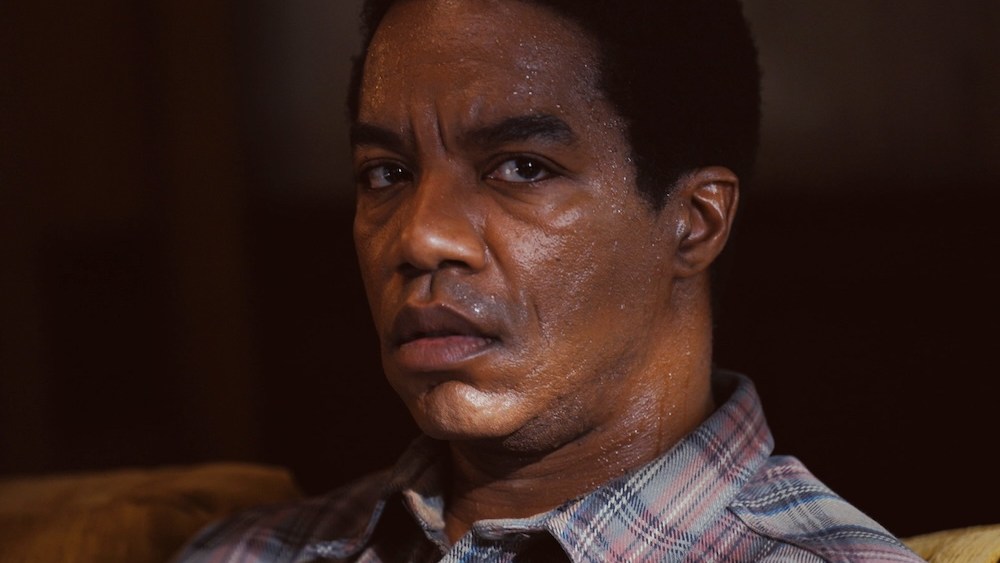
Director Shinya Tsukamoto’s latest film explores the trauma experienced by Marine Allen Nelson, a Black serviceman struggling with severe post-traumatic stress disorder following his deployment in Vietnam. The film, based on Nelson’s memoir, follows his difficult return to civilian life in New York, where he battles paranoia, violent outbursts, and intrusive memories while attempting to maintain relationships with his family.
The narrative alternates between Nelson’s present-day therapy sessions with a psychiatrist and graphic flashbacks depicting the horrors he witnessed during combat. While the film aims to present an anti-war message and examine the psychological toll of military service, critics argue that its approach feels dated and simplistic given the extensive body of Vietnam War cinema already produced. The film’s treatment of how the conflict affected the African-American community is described as superficial and reliant on stereotypes.
Despite its serious subject matter, the film has drawn criticism for being more invested in depicting brutal violence and graphic imagery than in developing genuine psychological insights. The supporting characters, particularly Nelson’s wife, are portrayed as underdeveloped, serving primarily to facilitate the narrative rather than as fully realized figures. Tsukamoto’s filmmaking choices, while technically ambitious, raise questions about whether the graphic depictions of wartime atrocities serve the film’s anti-war themes or simply exploit them for shock value.
Originally reported by Variety →
About the Author