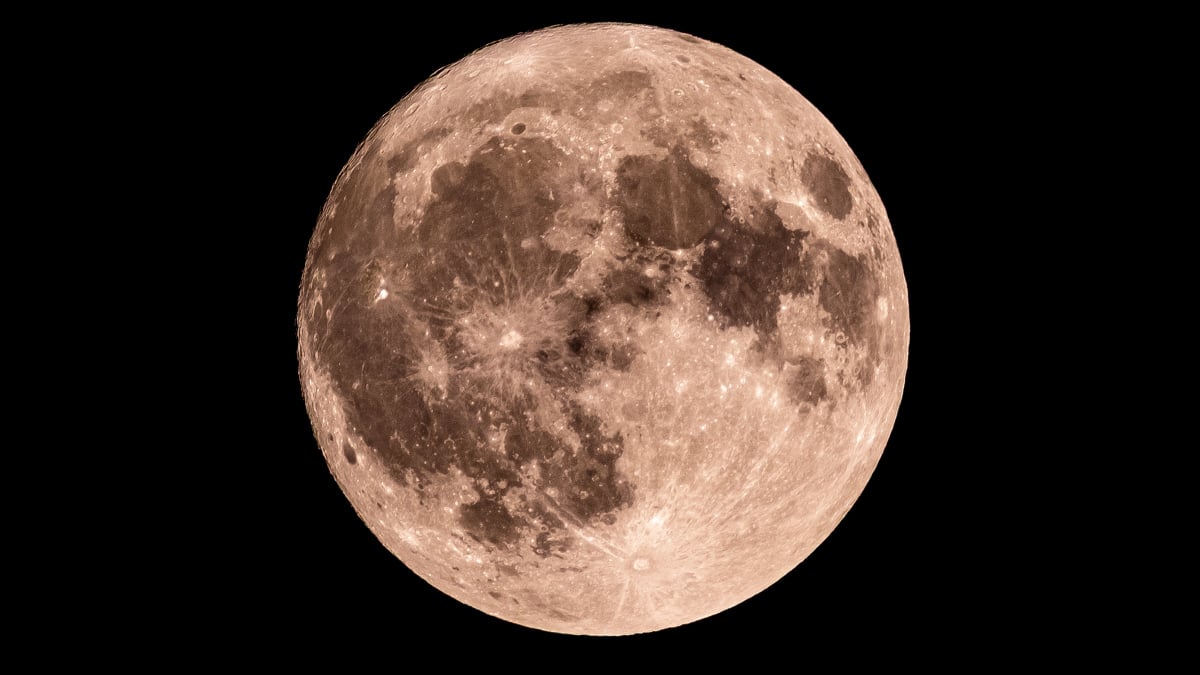
Skywatchers will have an excellent opportunity to observe lunar features on August 31, with the Moon displaying nearly its complete illuminated surface. According to NASA’s tracking data, the lunar body will be in its Waning Gibbous phase, with 89 percent of its face lit and visible from Earth. This positioning makes it an ideal evening for both casual observers and those equipped with optical equipment.
Depending on your observation tools, varying levels of detail become accessible. Without any equipment, viewers can identify several prominent lunar maria, including Serenitatis, Tranquillitatis, and Oceanus Procellarum. Those with binoculars may spot additional features such as Mare Nectaris, Clavius Crater, and Grimaldi Basin. Telescope users will gain access to even more detailed observations, including the historic Apollo 15 and 16 mission landing locations and Rima Ariadaeus.
The Moon progresses through eight distinct phases during its approximately 29.5-day orbital cycle around Earth. Each phase reflects the changing proportion of the illuminated side visible from our planet, determined by the Moon’s position relative to both Earth and the Sun. Following the current Waning Gibbous phase, the lunar cycle will eventually lead to the next Full Moon occurrence on September 26.
Originally reported by Mashable →
About the Author