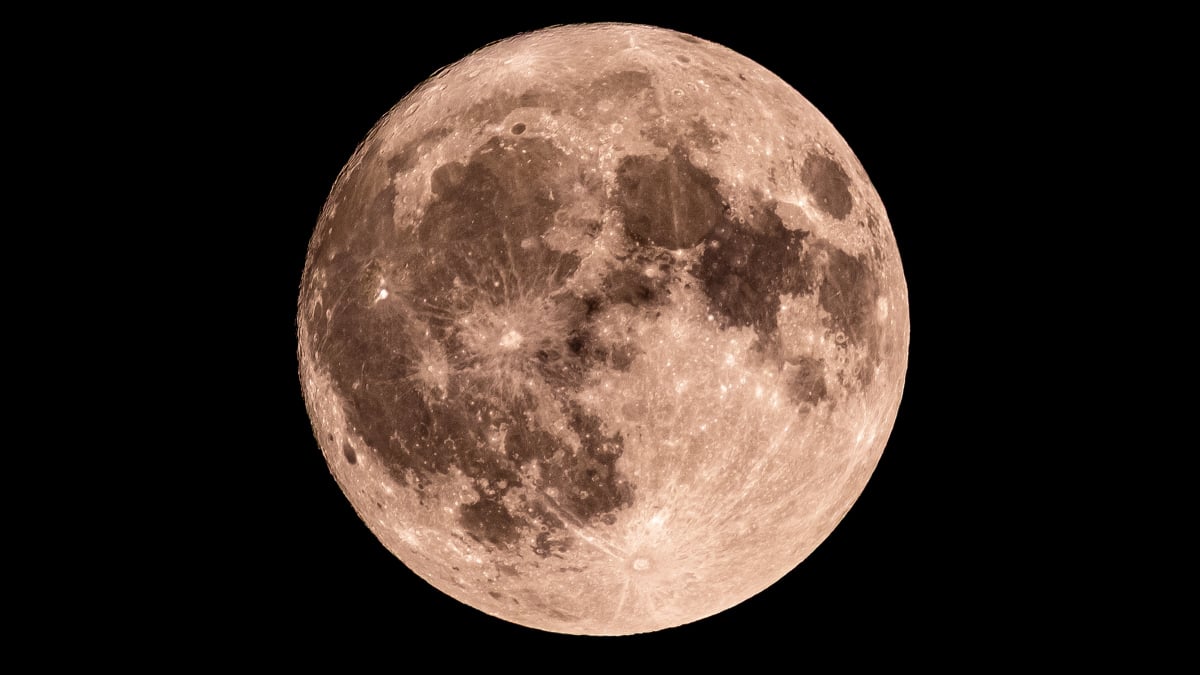
On August 21, the Moon enters a stage where observers will witness more than half of its surface illuminated from Earth. According to NASA’s tracking data, approximately 61 percent of the lunar surface remains visible during this Waxing Gibbous phase, representing a progression toward the upcoming Full Moon.
Stargazers without optical equipment can observe several lunar features tonight, including the Mares Crisium, Serenitatis, and Fecunditatis. Those equipped with binoculars gain access to additional details such as the Endymion Crater, the Alps Mountains, and the Archimedes Crater. Telescope users will have the opportunity to distinguish historical landing sites from the Apollo 15 and 17 missions, along with the Rupes Altai formation.
The lunar cycle consists of eight distinct phases as the Moon orbits Earth over approximately 29.5 days. The Waxing Gibbous phase represents one step in this predictable sequence, following the First Quarter and preceding the Full Moon. The next Full Moon occurrence is scheduled for August 28, providing observers with one week before the Moon reaches its fully illuminated state.
Originally reported by Mashable →
About the Author