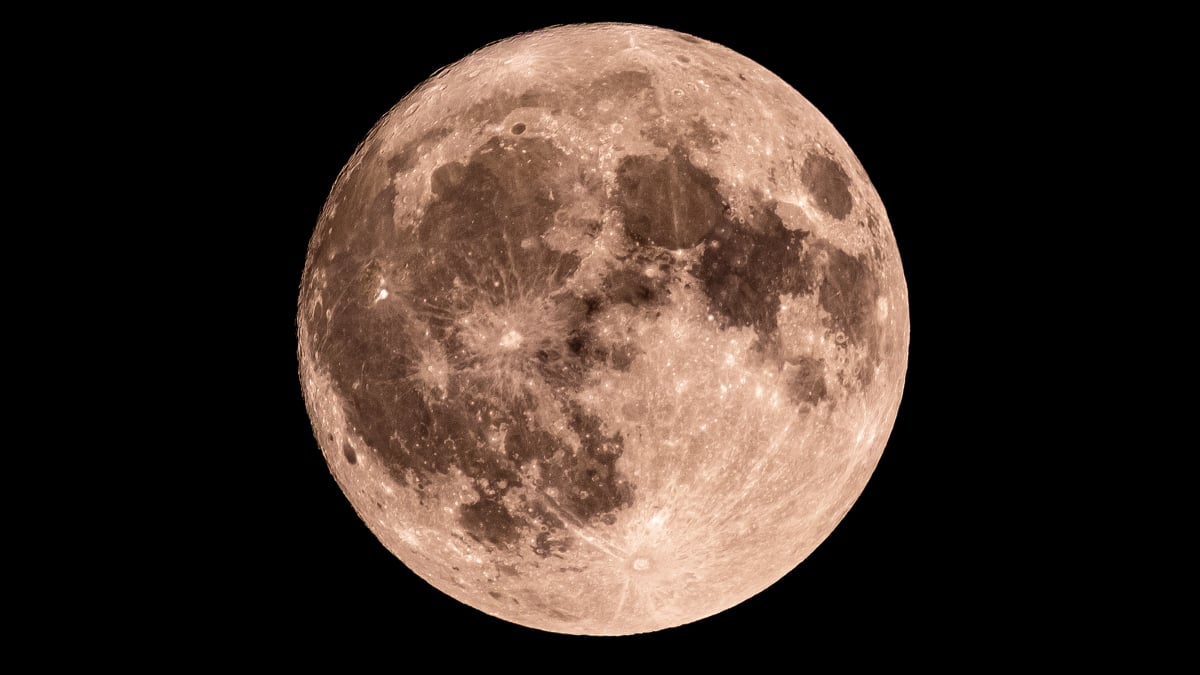
On August 15, the Moon enters its Waxing Crescent phase, with only 8% of its surface illuminated according to NASA’s Daily Moon Guide. Observers hoping to engage in lunar observation should note that visibility remains limited during this phase, as the celestial body continues its gradual emergence following the New Moon period.
The lunar cycle operates on approximately 29.5-day intervals, during which the Moon’s appearance from Earth transforms substantially. These changes result from the shifting positions of the Sun, Earth, and Moon relative to one another. This ongoing orbital dance determines how much of the Moon’s sun-facing side becomes visible to observers on our planet, creating the distinctive phases recognized throughout the month.
Those interested in observing a more prominent lunar display may want to wait for the next Full Moon, scheduled for August 28. At that time, the Moon’s entire face will be fully illuminated and clearly visible in the night sky. For now, patient stargazers might consider checking back in the coming days when visibility conditions improve as the Moon progresses through its cycle.
Originally reported by Mashable →
About the Author