“`html
Recent primary elections across Michigan, Missouri, and Washington have exposed significant divisions within the Democratic Party regarding America’s stance on Israel. The contests highlighted a broader struggle between the party’s progressive wing and its more centrist establishment members, with this ideological divide surfacing as a central campaign issue in multiple races.
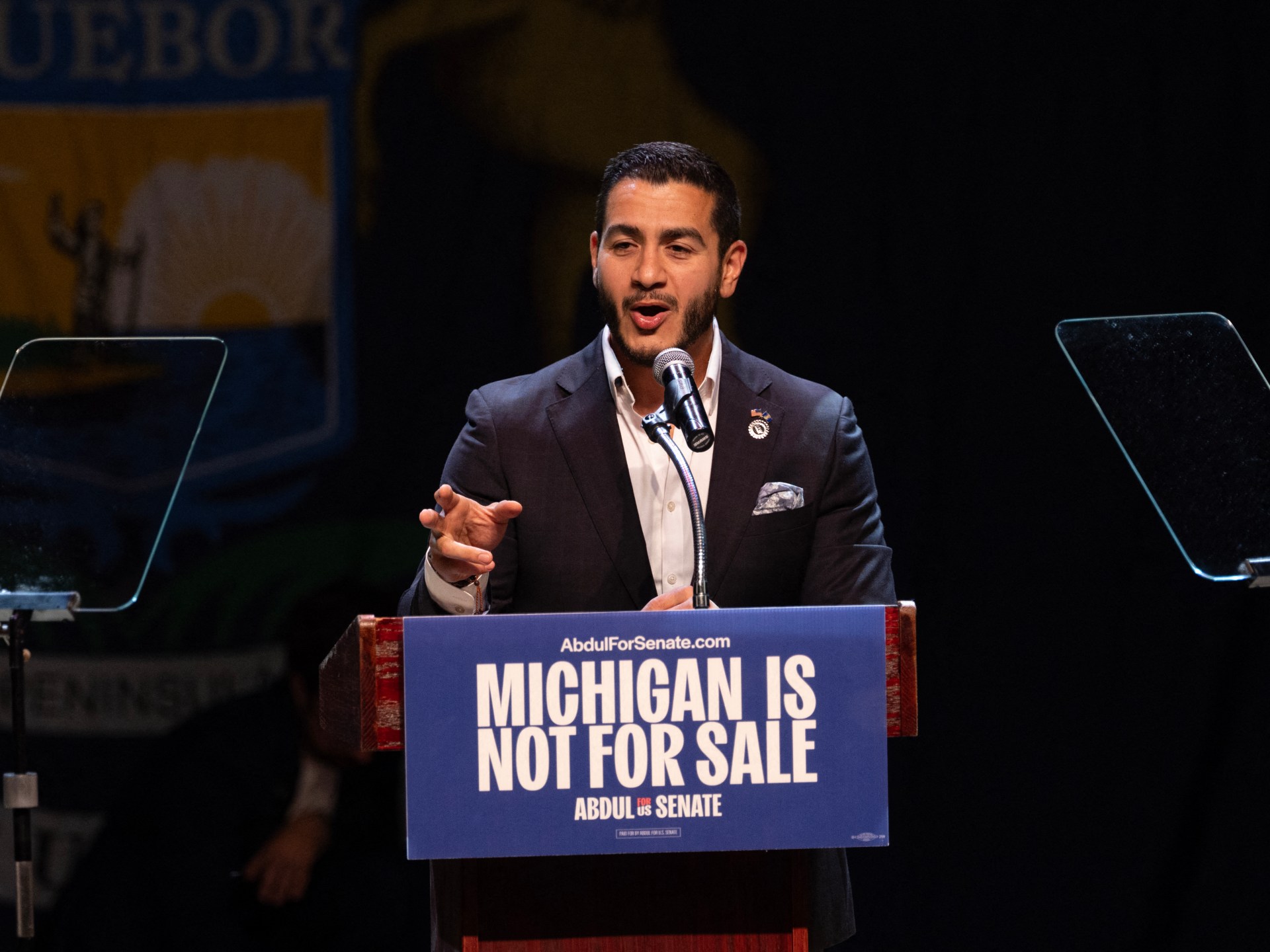
In Michigan’s closely contested Democratic Senate primary, centrist Haley Stevens and progressive Abdul El-Sayed battled for the nomination to face Republican Mike Rogers. El-Sayed campaigned on ending military aid to Israel alongside other progressive priorities, while Stevens received substantial funding from pro-Israel groups. The race drew national attention due to Michigan’s status as a crucial swing state that could influence Senate control. Meanwhile, Missouri’s progressive Representative Cori Bush lost her primary bid against Wesley Bell, with pro-Israel groups spending millions to oppose her campaign.
The pattern reflects shifting Democratic voter sentiment on Middle East policy. Recent polling showed support for Israel among Democrats dropped dramatically from 59 percent in 2018 to 22 percent by May, indicating substantial movement within the party’s base. However, these primary contests also revealed that candidate success depends on broader voter concerns beyond foreign policy, including economic issues and establishment endorsements.
Kansas Democrats selected Adam Hamilton as their Senate nominee, who will face incumbent Republican Roger Marshall in November. These primaries underscore ongoing tension within Democratic ranks as the party prepares for the general election season.
“`
Originally reported by Aljazeera →
About the Author