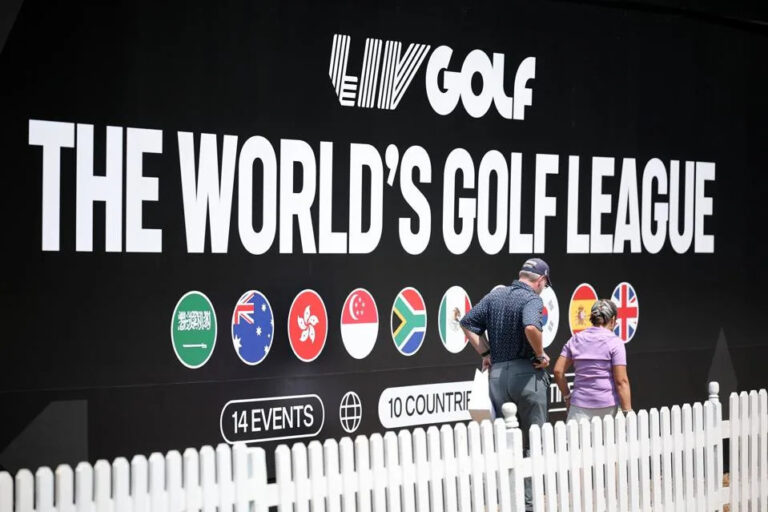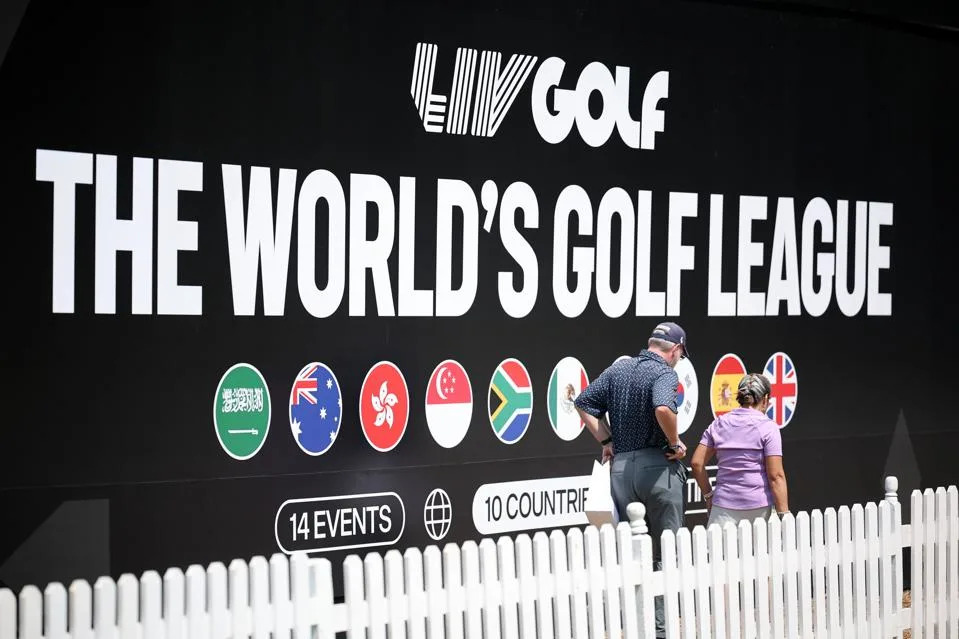
Professional golf has long struggled with fundamental structural challenges that have limited its appeal and growth potential. The sport’s inherently individual nature, lengthy competition formats, restricted access, and concentrated control have created openings for business model innovation. When LIV Golf launched in 2021 with Saudi Arabian backing, it appeared poised to address these issues through shorter tournaments, team-based competition, and simultaneous shotgun starts.
LIV invested heavily to attract top talent, signing stars like Jon Rahm and Phil Mickelson with massive financial commitments totaling billions of dollars between 2022 and 2026. The league’s bold restructuring of professional golf captured significant media attention and demonstrated ambition on an unprecedented scale. However, the venture faced a critical flaw: it focused primarily on product innovation rather than identifying what fans actually wanted from the sport.
Without a clear value proposition resonating with audiences, LIV struggled to generate adequate ticket sales, corporate sponsorships, and television deals. By mid-2026, facing dwindling Saudi financial support and mounting losses, the league confronted potential bankruptcy. CEO Scott O’Neill has explored restructuring options, including converting some players into team owners with equity stakes, potentially aligning player incentives with fan engagement.
LIV’s experience underscores a critical business lesson: successful disruption requires understanding customer needs before redesigning the product. While opportunities within professional golf remain largely unaddressed, any future iteration must begin by identifying what fans seek, then building operations around delivering genuine value rather than assuming innovative features alone guarantee success.
Originally reported by Sports.yahoo →
About the Author