‘Lesson For Modern Societies’: This 4,000-Year-Old City Defied The Rules of History
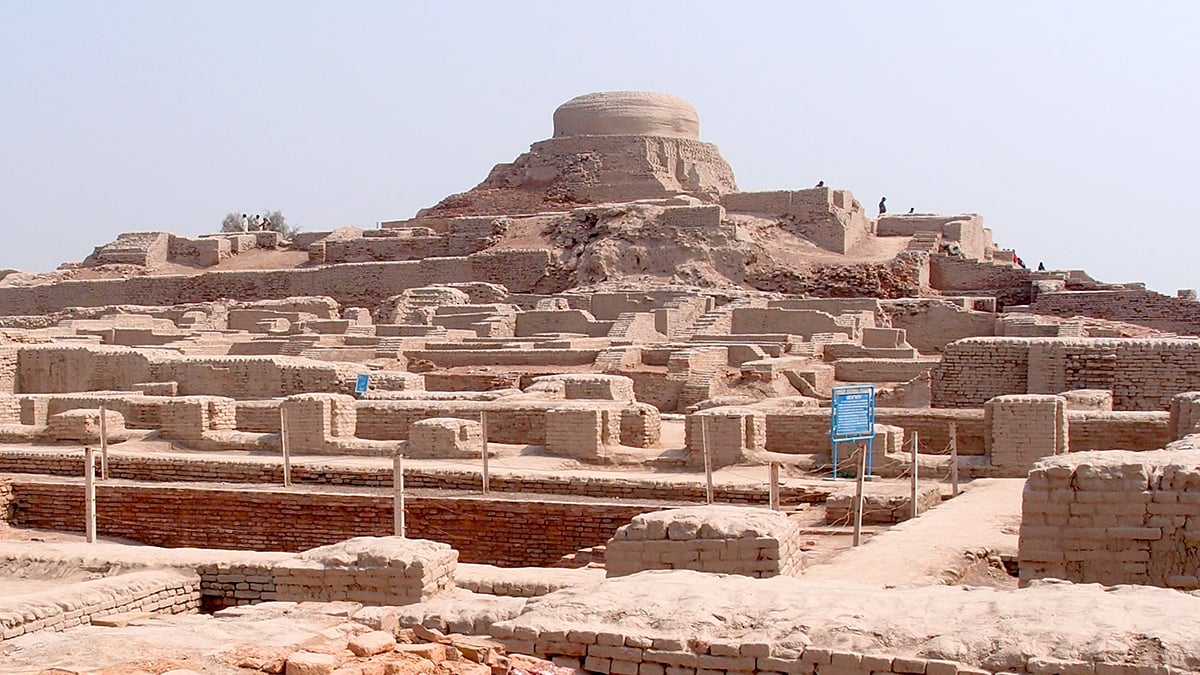 Somehow it reduced wealth inequality as it prospered.
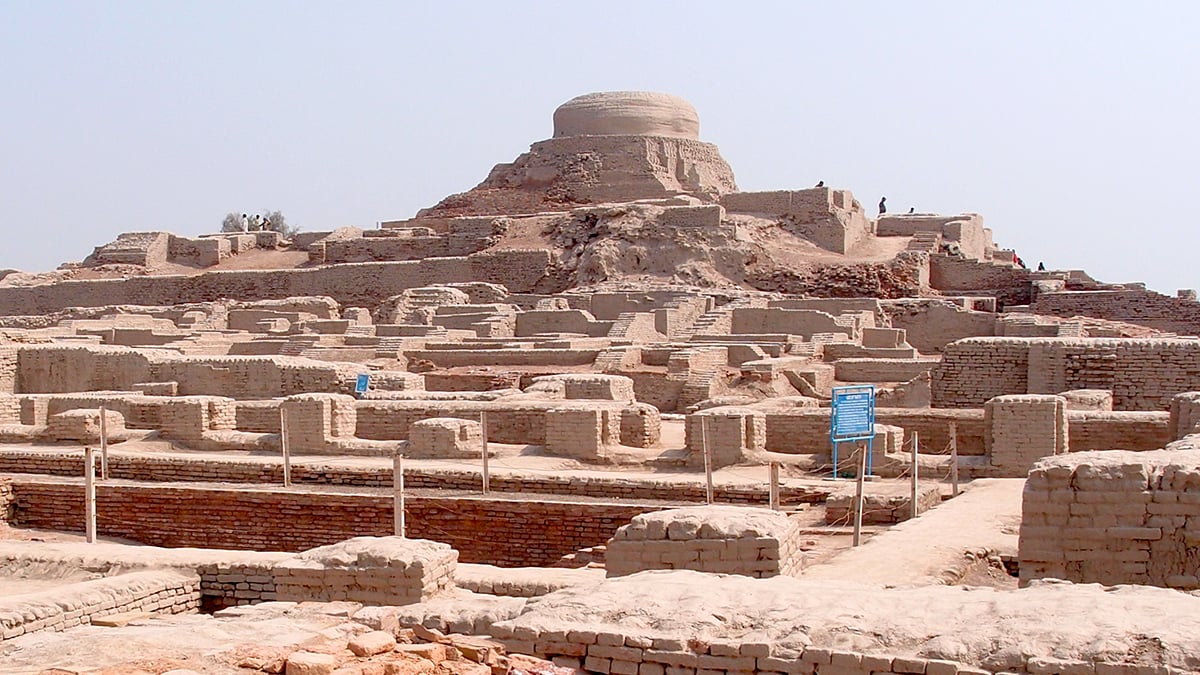
Researchers have discovered that Mohenjo-daro, the largest city of the Indus civilization that flourished between 2600-1900 BCE across present-day Pakistan and India, challenged conventional patterns of urban development. A team from the University of York and University of Cambridge analyzed 309 homes excavated at the ancient site, using house size as an indicator of household wealth. Their findings, published in the journal Antiquity, revealed that as the city expanded and matured, economic inequality actually decreased rather than increased—a reversal of what typically occurs in developing civilizations.
The researchers employed the Gini coefficient to measure wealth distribution, a scale where 0 represents perfect equality and 1 indicates total inequality. Mohenjo-daro scored 0.44, significantly lower than comparable Bronze Age cities like Knossos at 0.86 or the Maya settlement of Palenque at 0.75. By the city’s later years, wealth disparity had narrowed to levels comparable to early farming villages, despite Mohenjo-daro’s considerable size and complexity.
The city’s distinctive approach to development emphasized infrastructure and communal resources over monumental displays of power. Rather than constructing grand palaces or temples, Mohenjo-daro invested in sophisticated drainage systems and organized street layouts accessible to all residents. Additional evidence suggests governance occurred in shared deliberative spaces, with standardized weights and measures ensuring fair trade across communities. Archaeologist Adam Green noted that this model demonstrates prosperity and innovation can thrive while maintaining equitable resource distribution—an observation particularly relevant to contemporary societies grappling with widening economic disparities.
Originally reported by Sciencealert →
About the Author