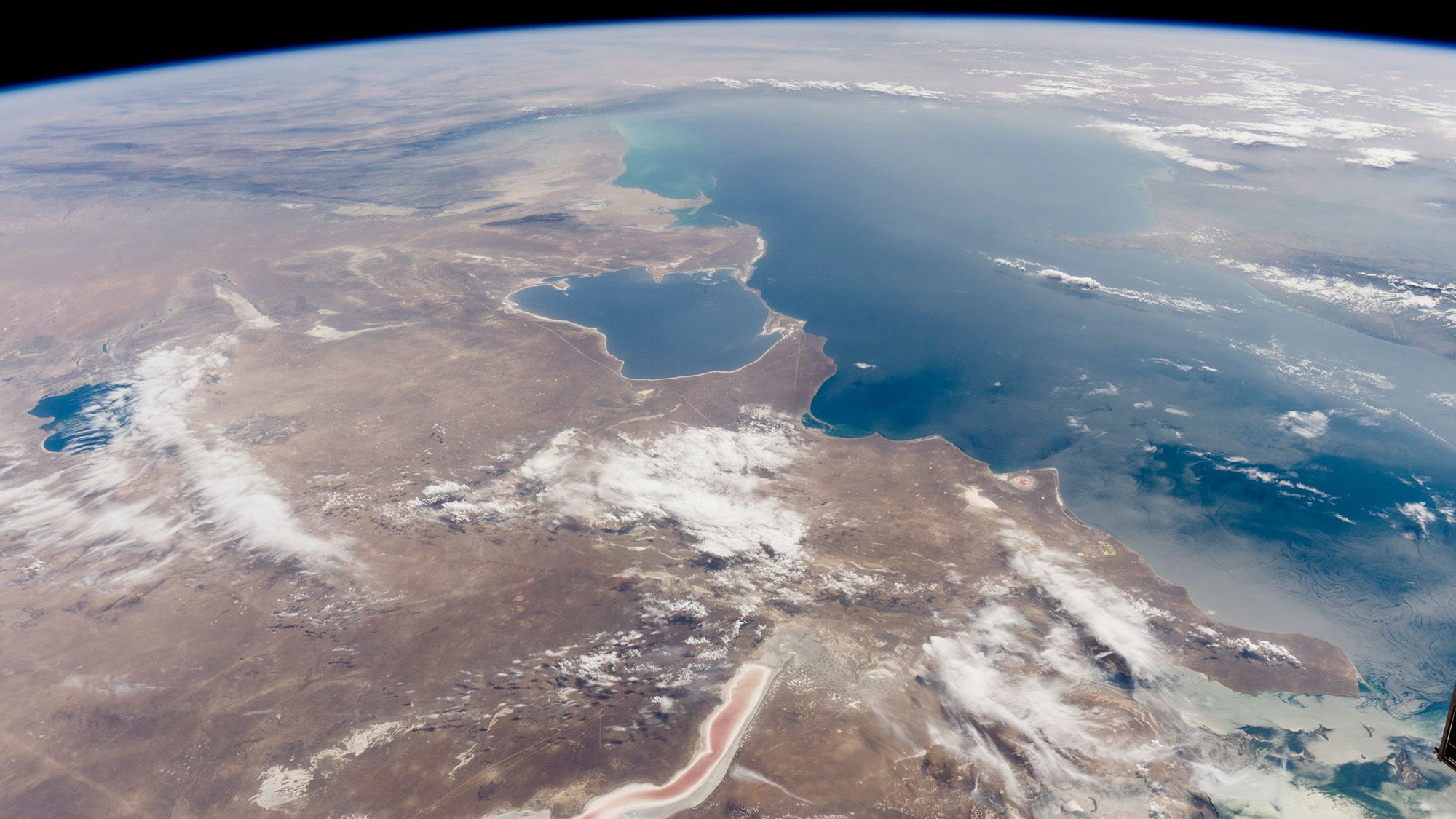
The Caspian Sea, Earth’s largest inland body of water, faces an environmental crisis. Since the mid-1990s, the saline lake situated between Europe and Asia has shrunk by approximately 24,000 square kilometers—an area comparable to Sicily. A recent study published in Earth’s Future has finally identified the primary culprits behind this dramatic decline.
Research indicates that falling water levels stem mainly from decreased river inflows, particularly from the Volga River, which supplies roughly 80 percent of the Caspian’s water intake. While rising temperatures account for approximately one-third of the water loss, human activities—including dam construction for hydropower, extensive agricultural irrigation, and groundwater extraction—drive the remaining decline. The countries bordering the sea have largely kept water withdrawal data private, but experts identify the Volga-Don Canal and numerous irrigation projects as significant contributors to the problem.
The consequences of inaction could be catastrophic. Similar bodies of water in the region, including the Aral Sea and Lake Urmia, have become ecologically devastated. A major crisis would expose mineral-laden lake bed, causing respiratory and agricultural damage across surrounding regions while crippling shipping infrastructure. Compounding the crisis, Russia’s demand for ammunition in its conflict with Ukraine has incentivized cotton cultivation throughout the region—cotton serves military purposes—driving even more water consumption.
Reversing the trend requires urgent demand management across all bordering nations. However, ongoing regional conflicts have shifted governmental priorities away from water conservation efforts, leaving the Caspian Sea’s future increasingly uncertain.
Originally reported by Livescience →
About the Author