
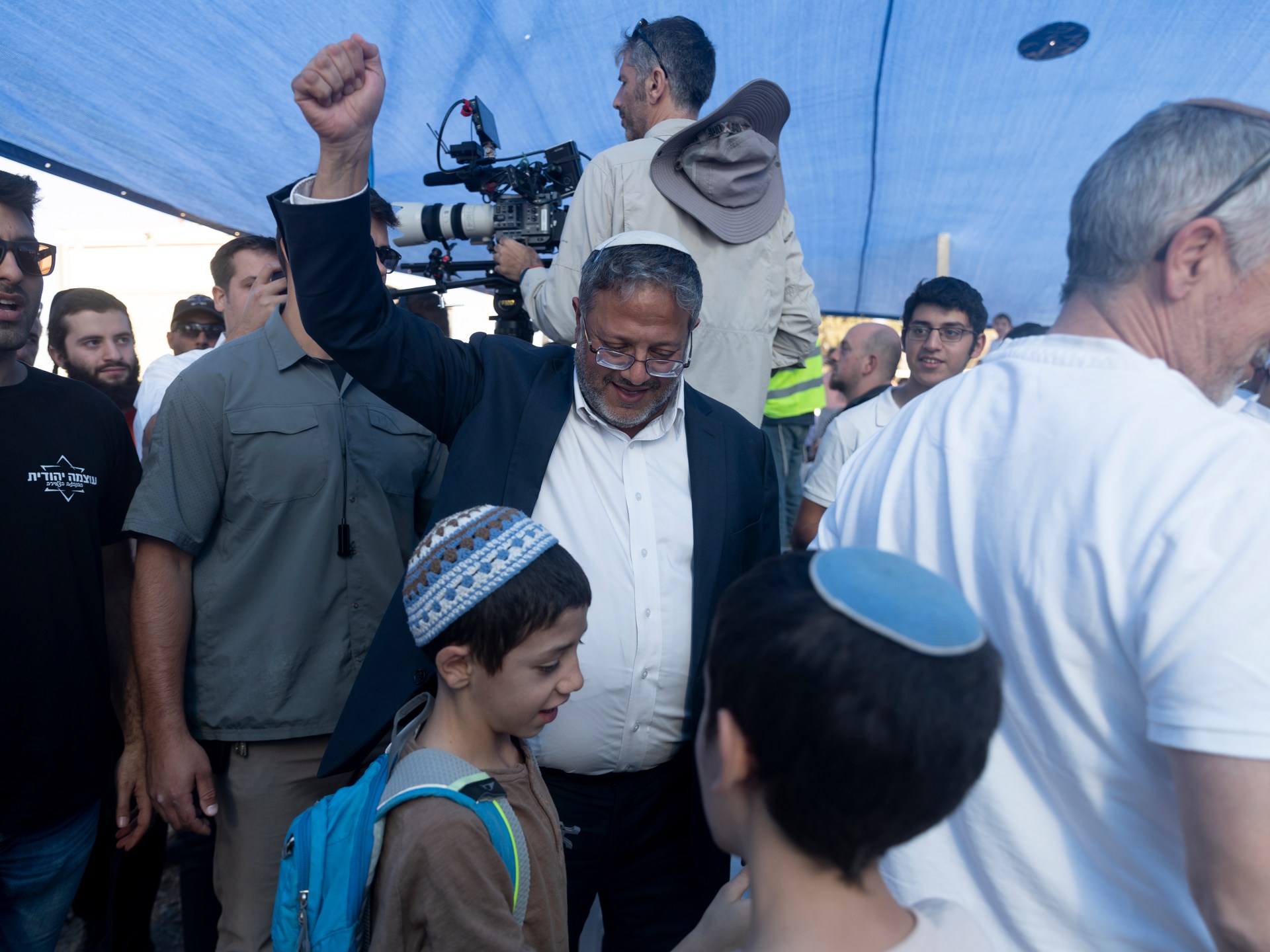
Religious fundamentalist movements are consolidating power within Israel’s existing governmental institutions, reshaping policies across multiple areas including education, gender relations, and territorial control. Rather than seizing authority through force, these groups are leveraging electoral politics and coalition dynamics to advance their agenda from within the state’s established structures.
Ultra-Orthodox and religious-nationalist parties now hold considerable sway over matters extending well beyond their core constituencies. Their influence has expanded public funding for religious schools with minimal secular curriculum requirements, enabled sex-segregation in expanding public spaces framed as religious accommodation, and strengthened rabbinical authority over civil matters. This transformation is occurring while democratic institutions formally remain intact, creating what observers describe as a gradual institutional shift rather than a sudden political upheaval.
The religious turn carries particular consequences for Palestinian populations, both within Israel and in occupied territories. Religious nationalism increasingly frames territorial claims as fulfilling divine mandates, complicating prospects for political compromise. Meanwhile, planning systems disadvantage Arab communities, settlement policies accelerate in occupied areas, and displacement practices intensify, all reinforced by merging security rationales with religious doctrine.
Within Israeli Jewish society itself, religious frameworks are redefining public life boundaries. Gender segregation expands under the language of cultural accommodation and religious freedom, while restrictions on women’s participation in civic spaces grow normalized through this religious-freedom rhetoric.
Originally reported by Aljazeera →
About the Author