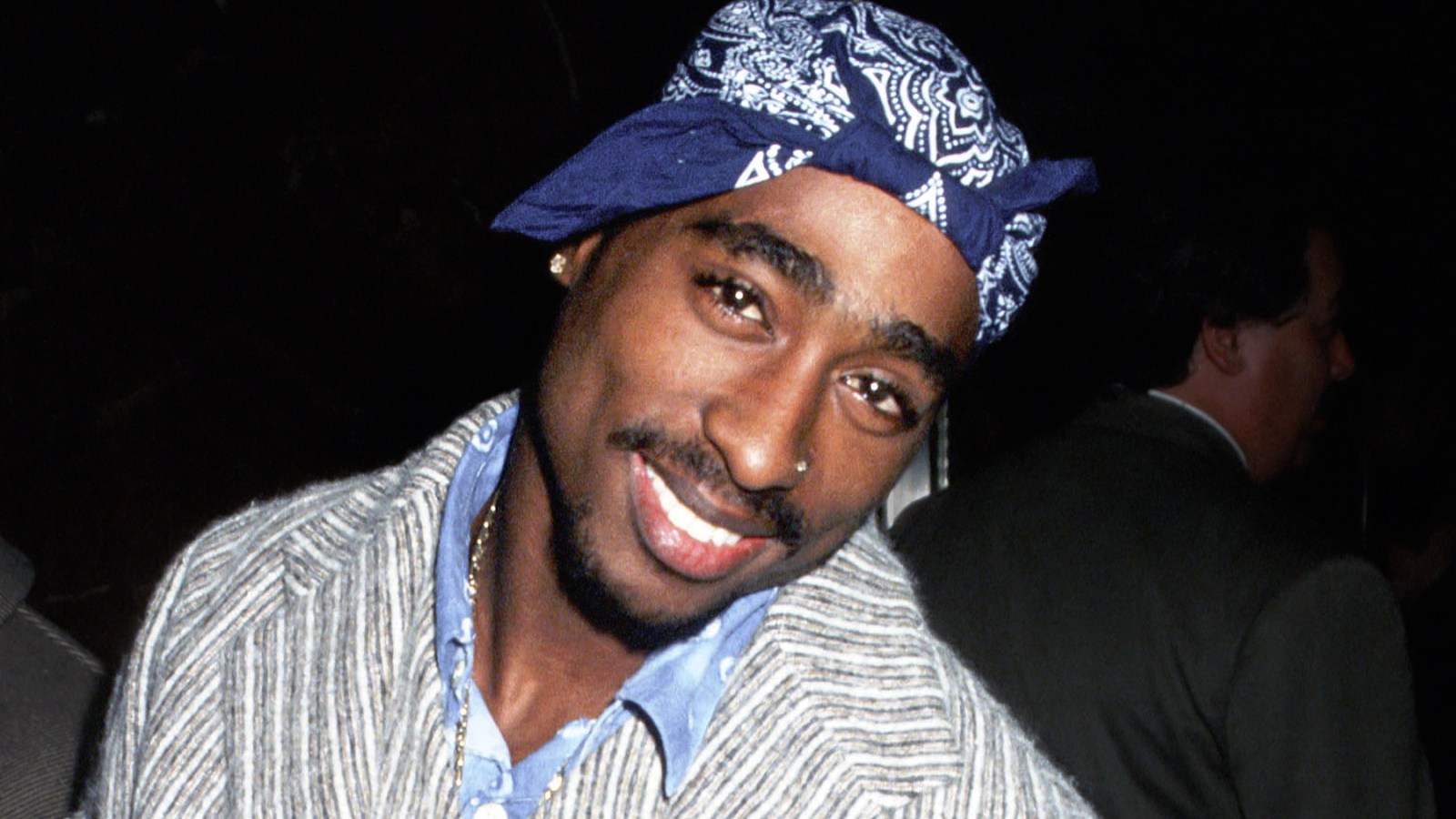
Three decades after his fatal shooting in Las Vegas in 1996, Tupac Shakur continues to command global attention and cultural relevance. The recent conviction of Duane “Keffe D” Davis for orchestrating the rapper’s murder has sparked renewed international dialogue about his artistic and cultural significance, demonstrating how perceptions of the late artist have dramatically shifted since his death at age 25.
When Shakur died, mainstream media coverage was largely dismissive and judgmental, with headlines employing moralizing language and some outlets resorting to mockery. Major publications framed his death through a lens of inevitability tied to his public image. However, contemporary coverage surrounding the trial reflected a notably different perspective, with outlets examining his legacy more thoughtfully and positioning him as a complex cultural figure deserving serious consideration.
Today, Shakur is recognized as a rap icon and Rock and Roll Hall of Fame inductee whose work embodied the struggles and resilience of Black American experience. His artistic output demonstrated remarkable range—from socially conscious tracks to introspective reflections on personal choices to politically charged commentary. Documentary filmmaker P. Frank Williams notes that audiences now appreciate the “layers” of Shakur’s message, understanding him as a sophisticated artist rather than a one-dimensional provocateur. This evolution reflects a broader cultural maturation in how his multifaceted legacy is understood and valued.
Originally reported by Rollingstone →
About the Author