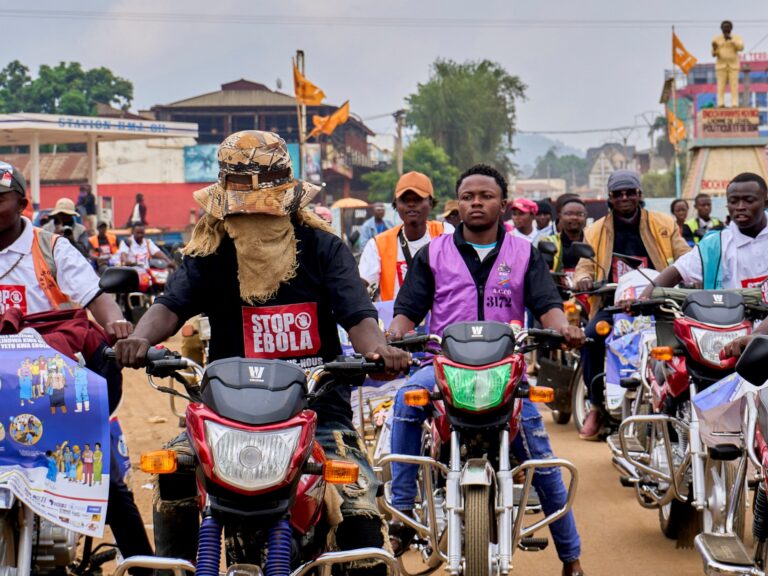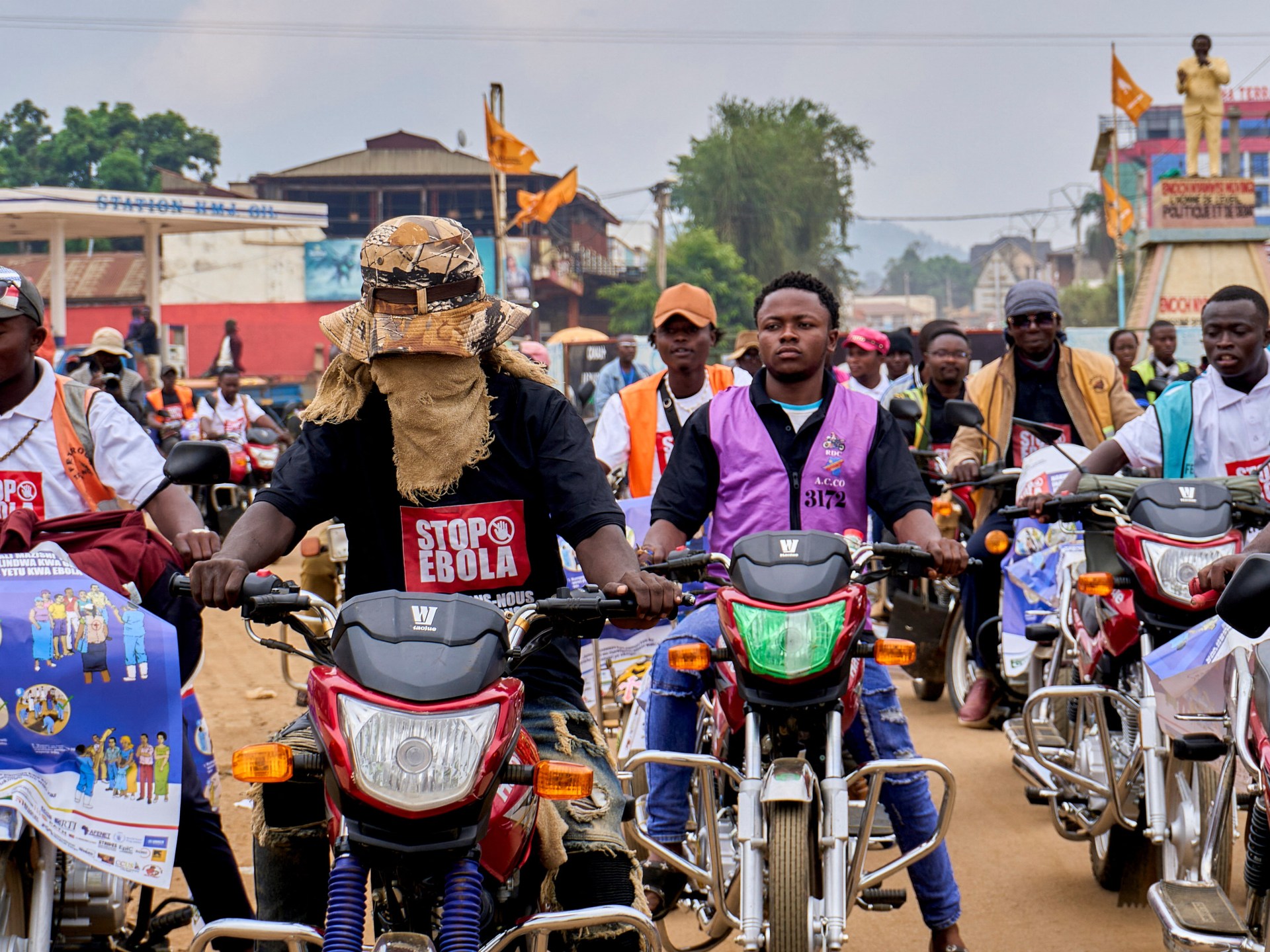
The Democratic Republic of the Congo is experiencing a severe Ebola outbreak, with confirmed cases now exceeding 4,000 since the epidemic emerged in mid-May. The Bundibugyo strain has claimed approximately 1,850 lives and spread across 53 health zones in five provinces, with the majority of infections concentrated in Ituri province. Health officials characterize this as the fastest-spreading Ebola epidemic ever recorded, though the actual number of cases likely surpasses official counts.
In response to the escalating crisis, the World Health Organization has recommended large-scale human trials of Ervebo, the only currently licensed Ebola vaccine. While Ervebo has demonstrated effectiveness against the more common Zaire strain, preliminary research suggests it may provide some protection against the Bundibugyo variant. Animal studies showed that vaccinated primates had improved survival rates when exposed to the strain, and a ferret study indicated complete protection from the experimental vaccine formulation.
The outbreak has been hampered by multiple obstacles, including armed conflict, limited treatment availability, and delayed case identification. Experts stress that a vaccine specifically designed for Bundibugyo remains the optimal solution, with three candidate vaccines currently in development. The global vaccine alliance has committed 500,000 Ervebo doses to support the trial efforts, with some supplies already deployed to the affected region.
This outbreak represents the largest in DRC’s history and could become the most significant globally, exceeding the 2014-2016 West African epidemic that killed over 28,000 people across three countries.
Originally reported by Aljazeera →
About the Author