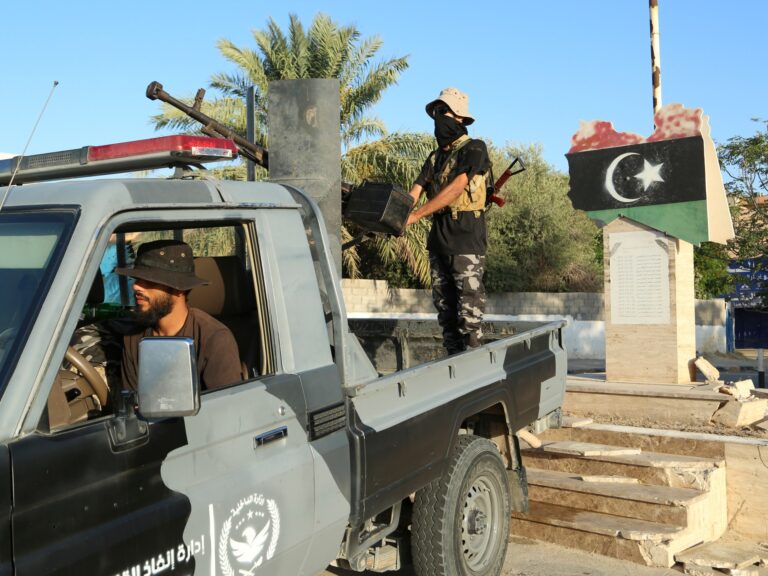
Libya’s ongoing political crisis has persisted for more than a decade, leaving the nation fractured between competing power structures. Since 2014, the country has maintained two separate governments—one in the eastern region and another in the west—each with its own prime minister and administrative capital. This division has prevented effective governance and fueled ongoing instability throughout the nation.
Previous international attempts to broker peace between Libya’s rival factions have largely failed to produce lasting results. However, recent diplomatic efforts suggest a potential shift in momentum. The United States has proposed a power-sharing arrangement designed to bring the conflicting parties together under a unified framework. Turkey has joined Washington in facilitating negotiations, adding another influential voice to the peace process.
Despite growing diplomatic activity, significant questions remain about whether a sustainable agreement is achievable. Observers question whether the competing administrations can find sufficient common ground to support a compromise solution. There is also concern that current negotiations could ultimately trigger additional violence rather than resolve the underlying tensions between the rival governments.
Originally reported by Aljazeera →
About the Author