
Dolphins Filmed Hunting With Shells – And Possibly Passing The Skill to Their Offspring
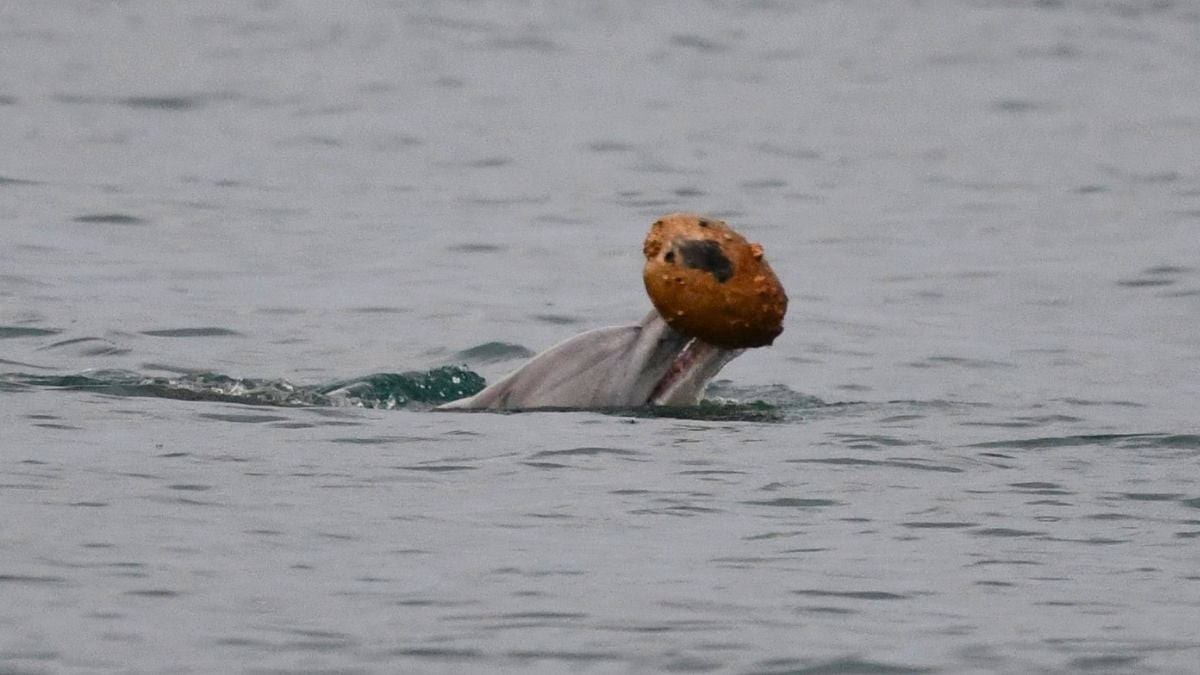 "The second I saw that shell in the air, I immediately knew what was happening."
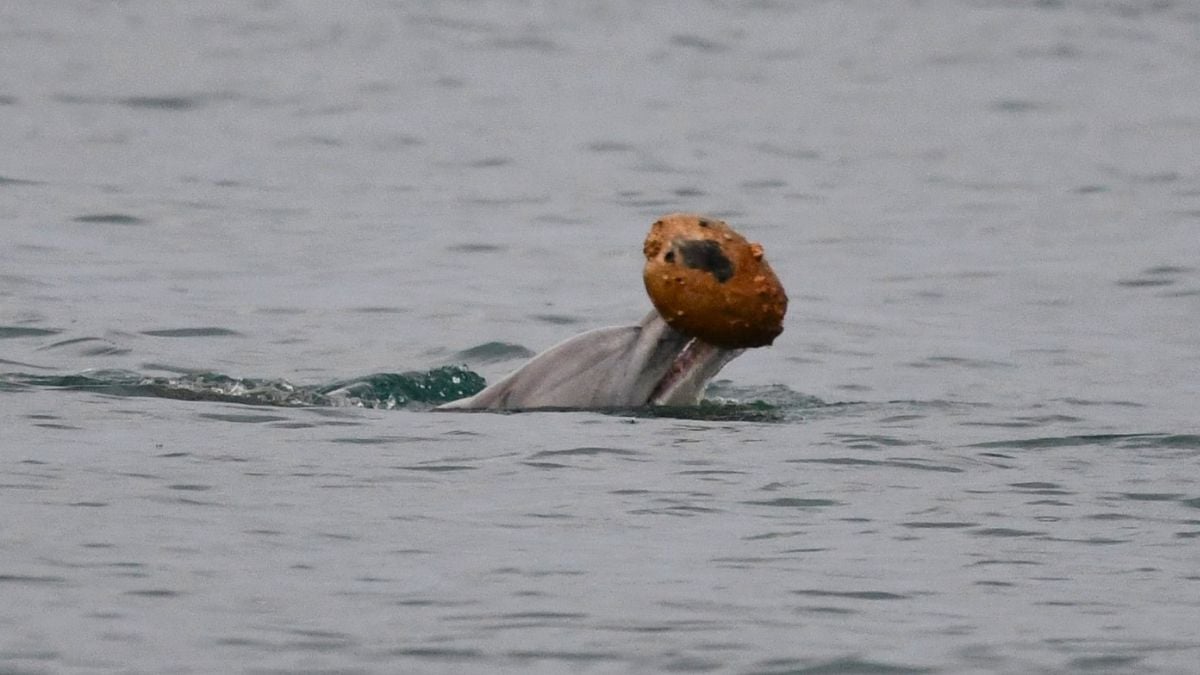
Researchers in Australia have documented a remarkable hunting technique among Indo-Pacific bottlenose dolphins, capturing the first video evidence of “shelling” behavior on the country’s east coast. The dolphins chase small fish into large empty seashells, then use their distinctive beaks to lift the shells above water and consume their trapped prey. Until now, this sophisticated foraging strategy had only been formally recorded in Western Australia’s Shark Bay region.
A team from the University of the Sunshine Coast presented their findings in a study published in Marine Mammal Science, including footage from Hervey Bay filmed in 2025. The research also uncovered previously unrecognized photographic evidence from boat tours dating back to 2013 and 2019, suggesting the behavior may have been occurring undetected for years. Behavioral ecologist Alexis Levengood emphasized the significance of the discovery, noting that shelling requires considerable skill and knowledge of shell locations and manipulation techniques.
Most intriguingly, the researchers documented an adult female dolphin and her calf engaging in shelling together, suggesting mothers may actively teach this complex skill to their offspring. This observation adds a new dimension to understanding how dolphins transmit knowledge, building on earlier research from Shark Bay showing peer-to-peer learning within pods. The team plans further investigation into both populations to better understand the mechanisms of knowledge transmission among these intelligent marine mammals.
Originally reported by Sciencealert →
About the Author