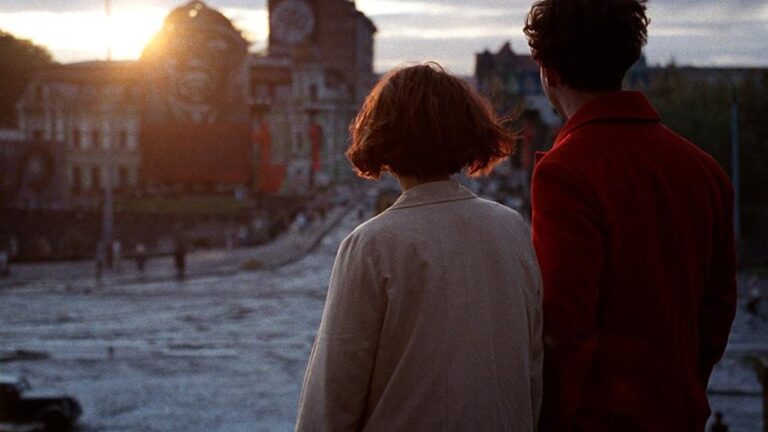
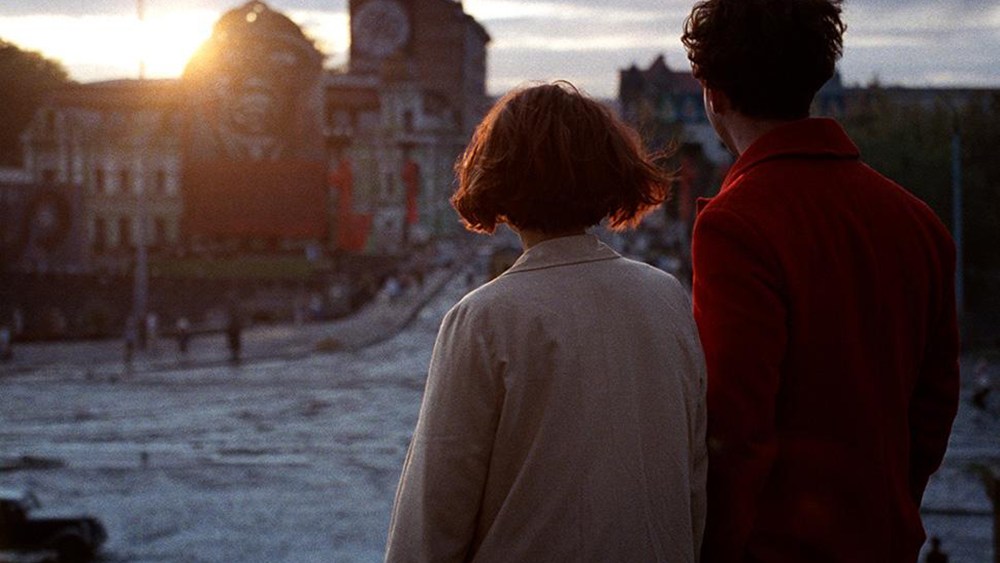
Director Ilya Khrzhanovsky has brought another installment from his extensive DAU project to the Venice Film Festival, over six years after his previous entries premiered at Berlin to modest reception. The sprawling multidisciplinary undertaking, which has faced allegations of abuse during production, continues to generate debate about both its artistic merit and ethical implications. Festival organizers have defended the programming decision on political grounds, noting the work’s examination of Soviet state oppression takes on new relevance following recent international events.
The latest film, simply titled “Dau,” represents Khrzhanovsky’s effort to distill vast amounts of accumulated material into a cohesive dramatic work. Running over 200 minutes, the film spans four decades in the life of a physicist connected to the Soviet atomic weapons program. The protagonist, inspired by Nobel Prize-winning scientist Lev Landau, is portrayed by musician Teodor Currentzis as a deliberate outsider marked by unconventional appearance and defiant attitude toward state authority.
While the production demonstrates technical ambition through its formal construction and sound design, critics question whether these elements serve compelling storytelling. The central character remains somewhat underdeveloped throughout the extended narrative, and the film’s dramatic foundation appears thinner than its imposing presentation suggests. Observers note parallels to recent American historical dramas that similarly explore ideological turmoil through individual portraits, though “Dau” pursues deliberately avant-garde methods rather than conventional biographical approaches.
Originally reported by Variety →
About the Author