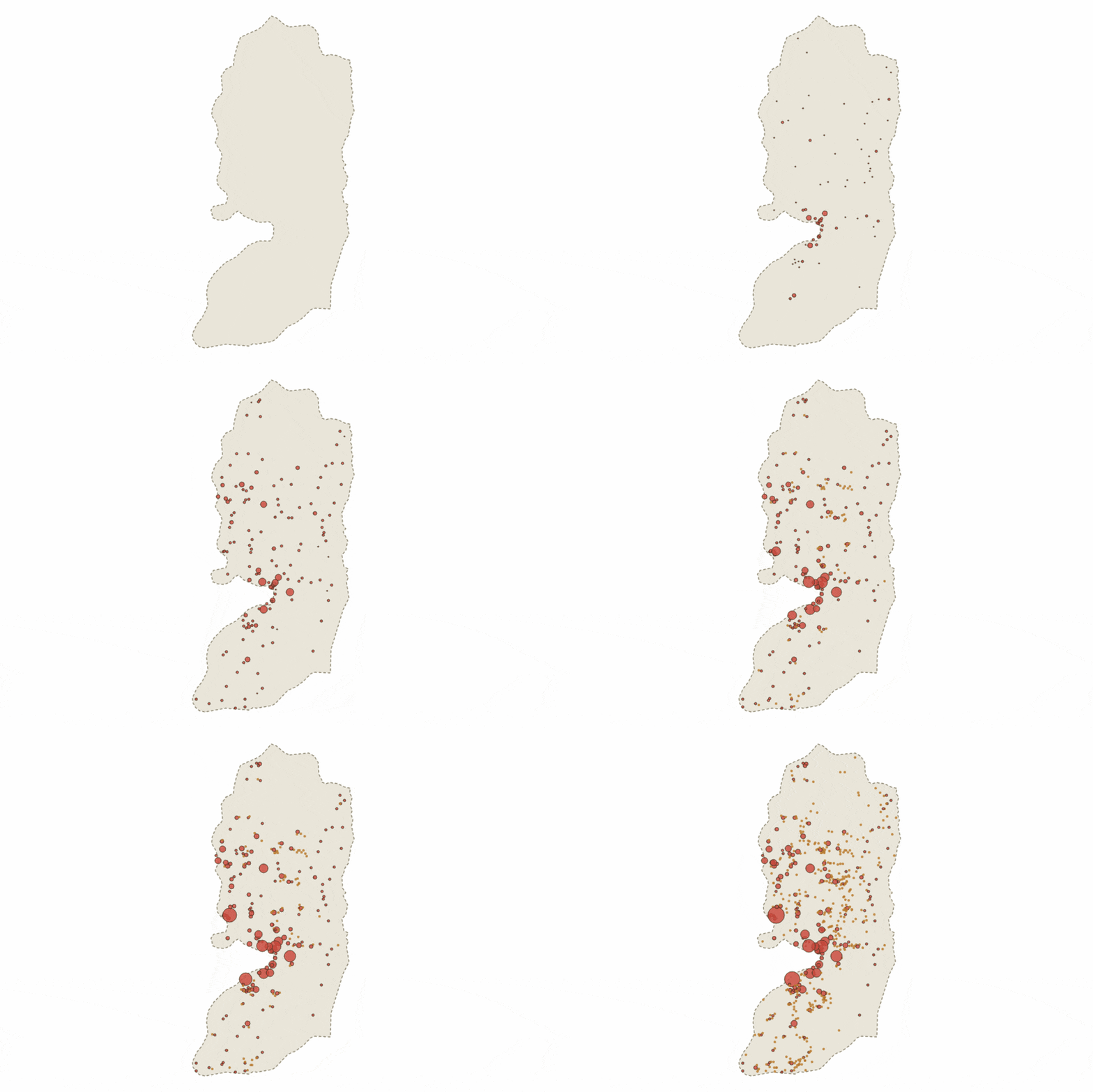
An animated map tracking the expansion of Israeli settlements reveals the scale of construction across Palestinian territories. According to Peace Now, an Israeli organization monitoring settlement activity, approximately 750,000 Israeli settlers now inhabit more than 500 illegal settlements and outposts spread across the occupied West Bank and East Jerusalem. This represents a dramatic expansion from scattered hilltop communities into an interconnected network of residential areas, infrastructure, and roadways.
The settlements have grown substantially since Israel’s 1967 occupation of the West Bank and East Jerusalem. By 2024, the 163 officially recognized settlements housed roughly 745,000 residents, with an additional 400-plus unauthorized outposts that often eventually become formalized settlements. In 2025 alone, nearly 28,000 housing units were advanced within existing West Bank settlements, demonstrating the pace of ongoing development.
International law designates these settlements as illegal under the Fourth Geneva Convention, a position affirmed by the United Nations Security Council and International Court of Justice. Yet under Israeli law, settlements receive government approval, funding, and planning support. The largest settlements have evolved into substantial towns with municipal services, schools, and commercial centers. A network of exclusive roads connects these communities, fragmenting Palestinian land and restricting Palestinian movement through checkpoints and barriers.
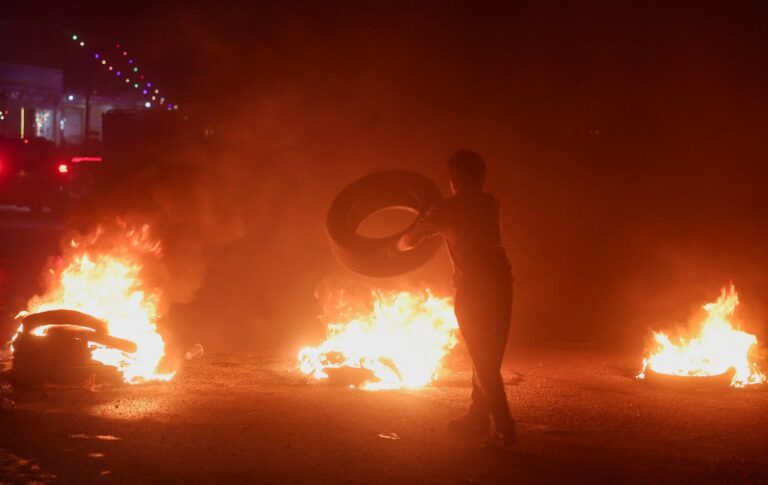
Settler violence has reached record levels alongside this physical expansion. A controversial August 2025 decision approved over 3,000 additional homes in the E1 expansion project near Jerusalem, drawing international condemnation from dozens of governments for violating international law.
Originally reported by Aljazeera →
About the Author