An Ancient Poop Explosion Could Have Helped Complex Life Evolve
 Er... thanks?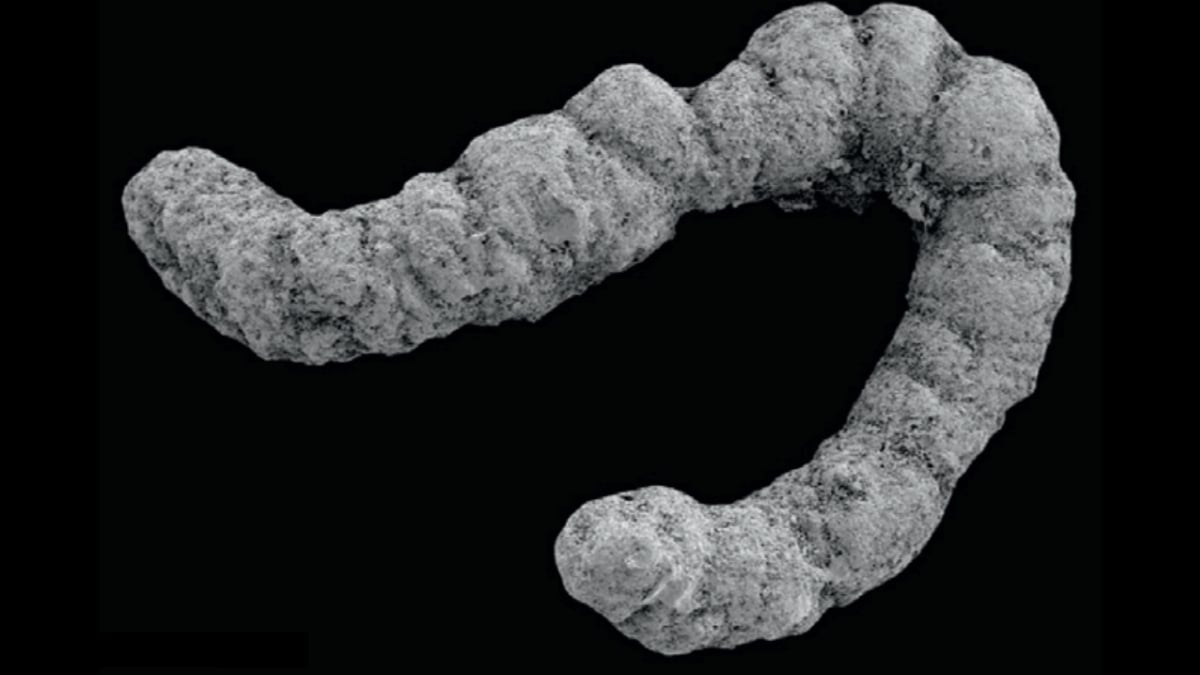
Researchers have proposed an unusual theory about what may have accelerated the evolution of complex life on Earth: ancient animal waste. A new study published in Trends in Ecology & Evolution suggests that fecal matter played a significant role during the Cambrian explosion, a pivotal period roughly 540 million years ago when most modern animal groups first emerged.
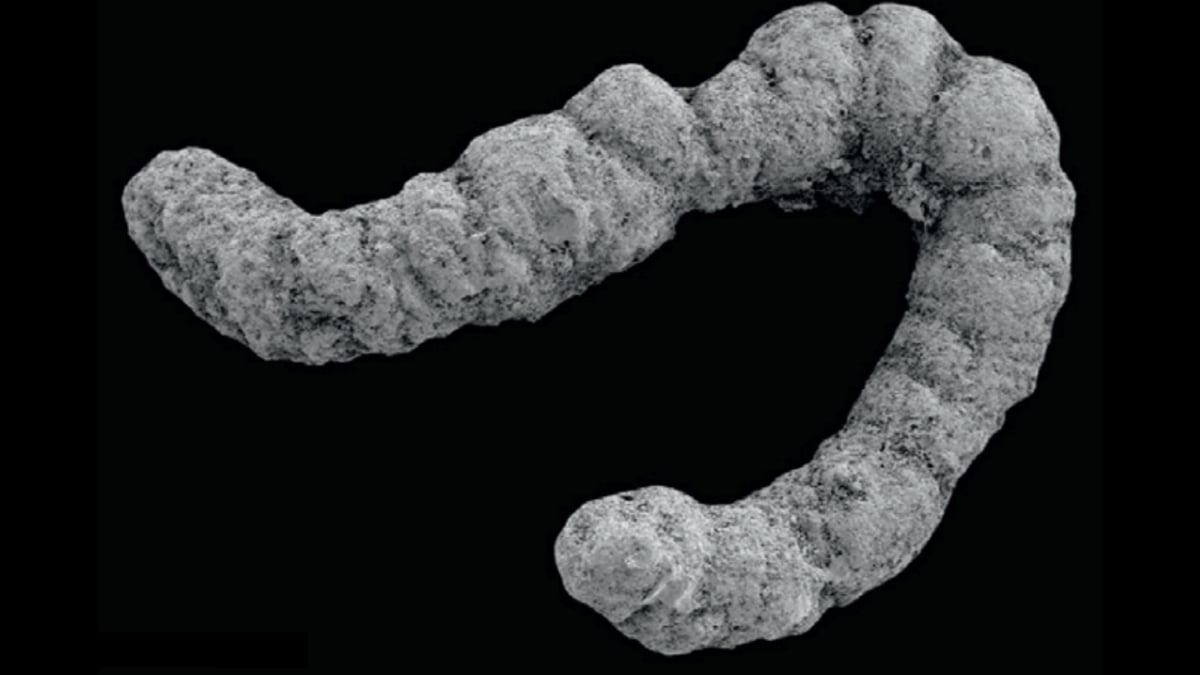
Scientists from Australian and German institutions examined fossilized feces, known as coprolites, to understand how nutrient cycling may have influenced early ecosystem development. As animals evolved more sophisticated digestive systems and larger body sizes, their waste products deposited increasing amounts of organic matter and essential nutrients into ancient oceans. This biological process helped distribute carbon, nitrogen, phosphorus, and iron throughout marine environments, making these resources more accessible to developing organisms.
The research indicates that as creature diversity expanded during the Cambrian period, so did the size and complexity of fossilized fecal deposits. Early examples consisted of tiny pellets, while later specimens resembled logs containing shell fragments. This progression mirrors the evolution of more advanced feeding and digestive capabilities in early arthropods and other organisms. According to the findings, this nutrient-cycling feedback loop may have created favorable conditions for increasingly complex marine ecosystems to flourish.
The study adds a previously overlooked dimension to existing explanations for the Cambrian explosion, which typically emphasize rising oxygen levels and continental erosion. By recognizing the ecological importance of animal waste in ancient systems, researchers offer a more comprehensive understanding of how life diversified during this critical period in Earth’s history.
Originally reported by Sciencealert →
About the Author