Scientists Are Starting To Understand The ‘Largest Biomechanical Event on Earth’: Whales Hunting For Food on a Single Breath
 If your heart slowed that much, you'd probably pass out.
“`html
Researchers are making significant strides in understanding one of nature’s most remarkable feats: how whales manage to hunt for food while holding their breath underwater. Marine scientists from Stanford University led a study tracking the heart rates of blue whales and humpback whales as they dove to capture prey. The findings, published in PNAS, reveal that these massive marine mammals employ sophisticated physiological strategies to balance oxygen conservation with the intense physical demands of hunting.
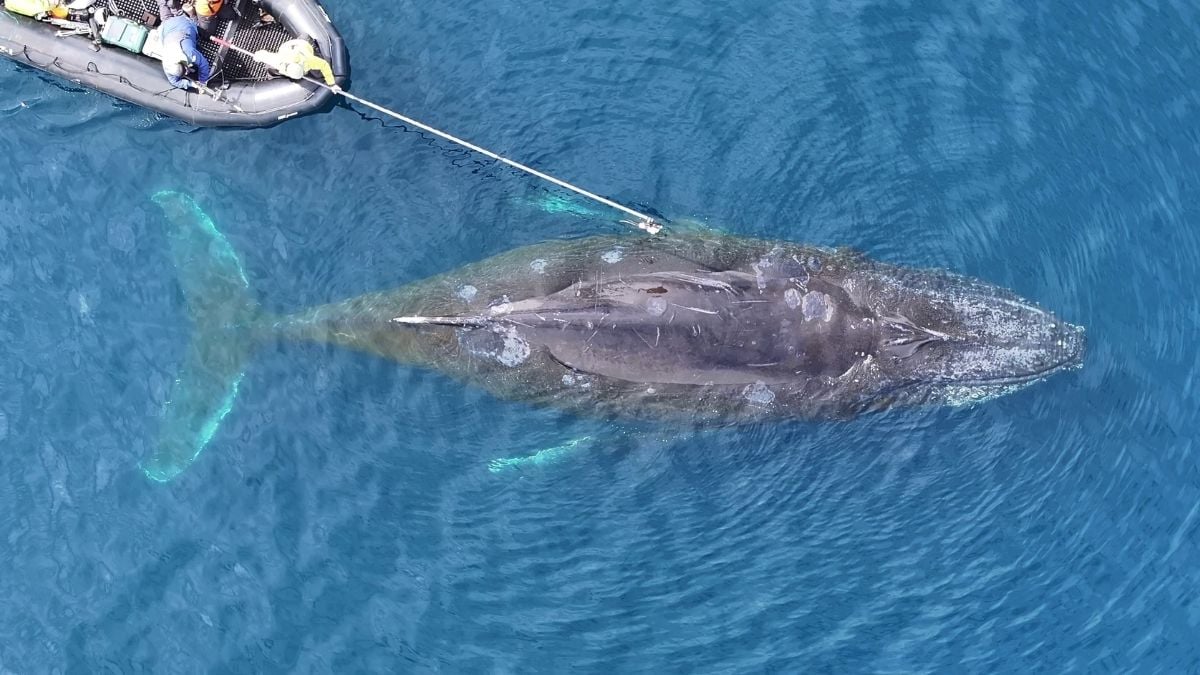
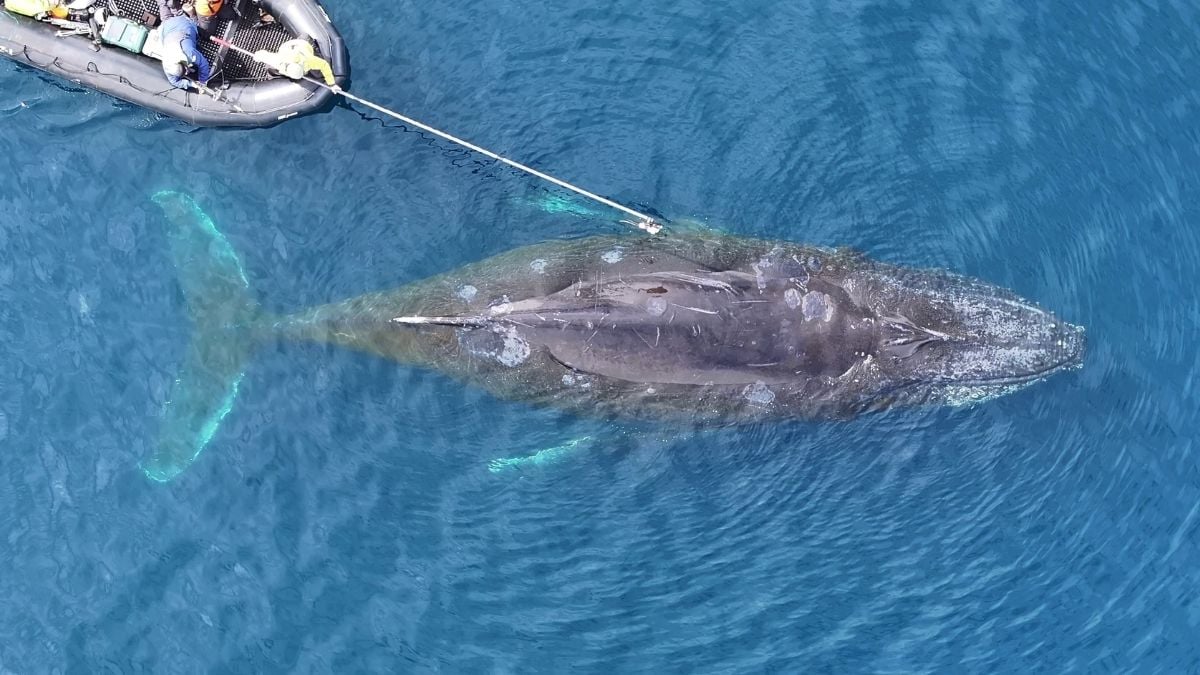
To gather data, scientists attached specialized tags to nine whales off the California coast and near Antarctica. These innovative devices measure heart rate using an ECG along with tracking movement through accelerometers and gyroscopes. The research presented significant technical challenges, particularly because whale blubber prevents direct heart placement and saltwater interference can disrupt electrical signals. Despite these obstacles, engineers successfully developed tags that remained attached for 12 to 36 hours, collecting unprecedented biometric information from free-ranging whales.
The study uncovered fascinating patterns in whale heart rates during foraging. When lunging at prey, blue whales’ hearts accelerated to approximately 22 beats per minute, while humpback whales reached 28 beats per minute. Heart rates then gradually declined as whales filtered seawater through their mouths—a pattern similar to human heart rate recovery following intense exercise. Researchers also documented a resting humpback whale with a heart rate of just 18.5 beats per minute, representing the first reliable measurement of resting heart rate in wild whales and providing insight into how these creatures manage their metabolism.
These discoveries have implications beyond basic science. Understanding whale heart rate variations could serve as an indicator for monitoring animal health and detecting environmental stressors like noise pollution or changes in food availability, potentially informing conservation efforts for these endangered species.
“`
Originally reported by Sciencealert →
About the Author