Gut Fungi From a Common Pest Can Chew Holes in Styrofoam
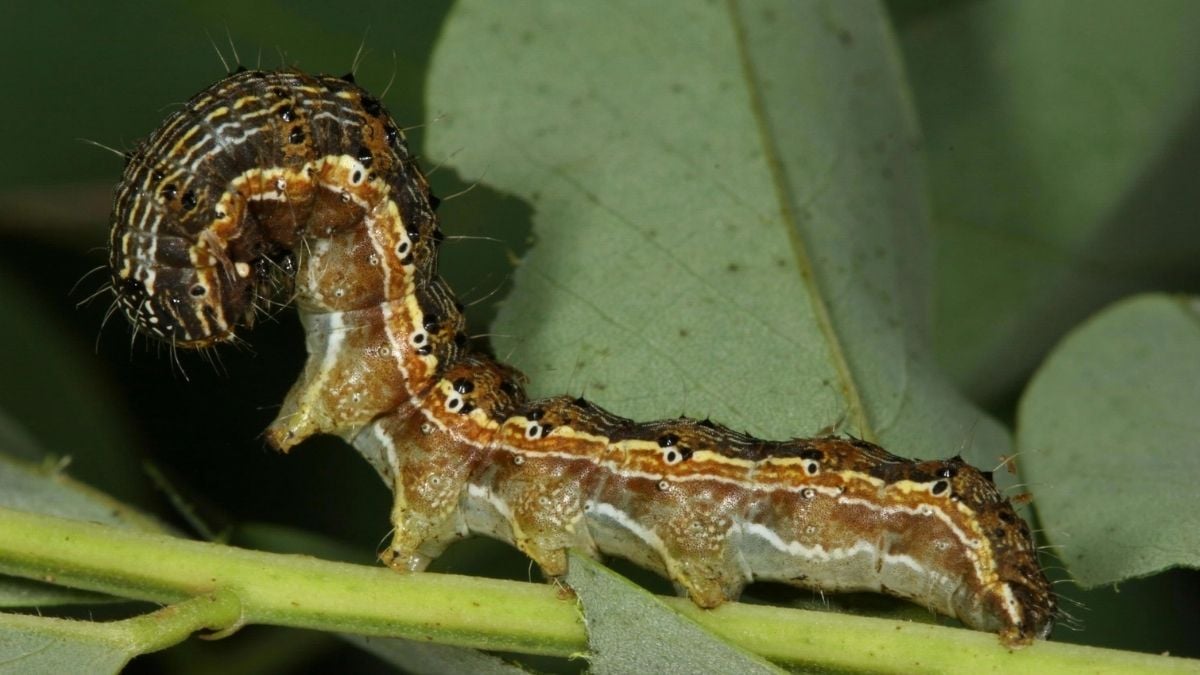 We hope they're hungry...
Researchers have discovered that fungi living in the digestive systems of cotton bollworm caterpillars may hold a key to breaking down polystyrene waste. A study published in BMC Microbiology identified four fungal species capable of degrading this common plastic material, which is used extensively in packaging and insulation. As polystyrene production continues to climb toward an estimated 62 million tons annually by 2034, finding effective recycling solutions has become increasingly urgent.
Scientists led by biochemist Flávio Henrique Silva conducted experiments feeding cotton bollworm larvae polystyrene foam to examine changes in their gut bacteria. The team then isolated four fungal species and tested their ability to break down Styrofoam films over a 60-day period. Using electron microscopy, researchers observed visible holes and cavities etched into the plastic surfaces where the fungi had grown, suggesting the microorganisms were utilizing the material as a food source.
While the visual evidence of degradation is compelling, significant questions remain unanswered. Researchers have not yet determined the chemical processes the fungi employ to break down polystyrene or identified the enzymes responsible. Additionally, scientists cannot yet measure how efficiently these organisms decompose the plastic, information crucial for potential industrial applications.
The findings add to a growing body of research highlighting nature-based solutions to plastic waste. However, converting laboratory discoveries into scalable technology will require further investigation into the fungi’s enzymatic mechanisms and degradation efficiency.
Originally reported by Sciencealert →
About the Author