Your Gums May Be Quietly Hinting at a Future Health Risk
 "We can no longer view oral health and diabetes as two separate disease areas."
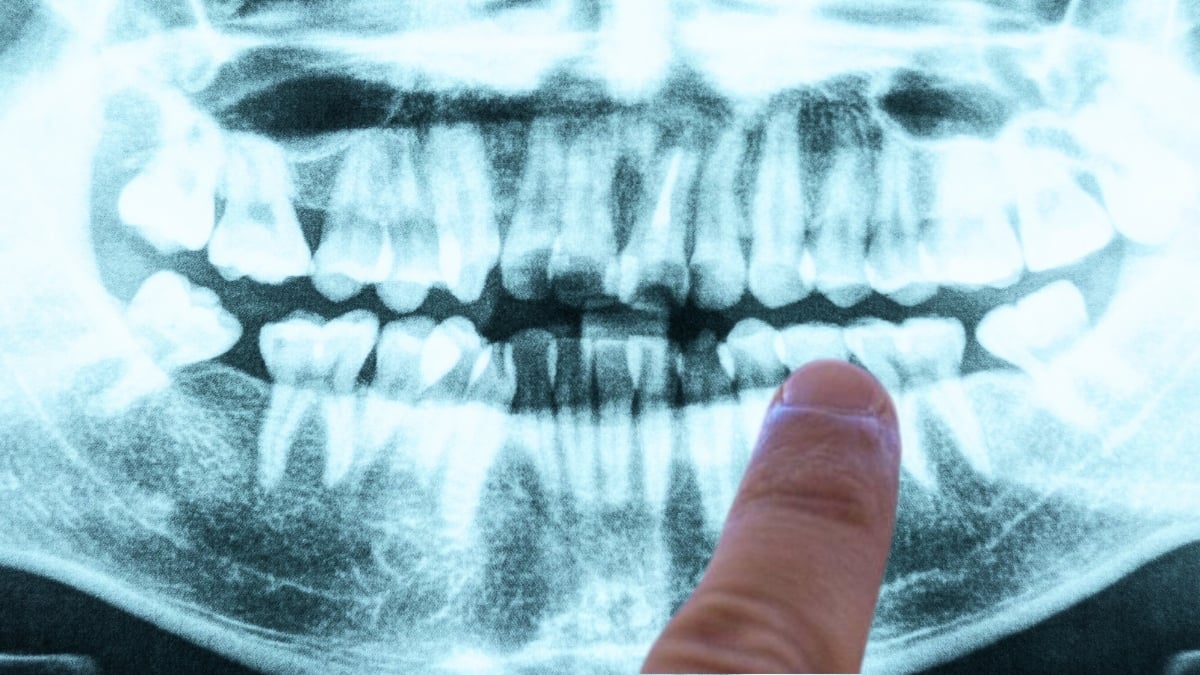
A comprehensive analysis of over 300,000 individuals has revealed a significant connection between gum disease and type 2 diabetes risk. Researchers examining 28 longitudinal studies across 16 countries discovered that people with periodontitis—a severe inflammatory gum condition—showed an 18 to 25 percent higher likelihood of developing type 2 diabetes compared to those without the condition. The link appeared even stronger for those who had lost all their teeth, who faced a 30 percent increased risk of diabetes diagnosis during follow-up periods.
The relationship between these conditions appears to work in both directions. While gum disease may increase diabetes risk, individuals already living with diabetes also face elevated susceptibility to gum disease and tooth loss. Researchers propose that chronic mouth inflammation from periodontitis could allow harmful bacteria and inflammatory substances to enter the bloodstream, potentially disrupting the body’s insulin response. Conversely, elevated blood sugar levels may impair healing and immune function, making diabetic patients more vulnerable to oral infections.
Despite the strength of these findings, experts emphasize this connection should not lead to self-diagnosis. Instead, the research suggests opportunities for improved healthcare integration. Dental professionals could potentially screen patients for diabetes risk and refer them for further evaluation, while diabetes patients might benefit from more frequent oral health assessments. Currently, oral health remains largely separate from diabetes prevention and management strategies in most healthcare systems.
Individuals experiencing red, swollen, or bleeding gums should consult their dental professionals, particularly if they have other established diabetes risk factors. The mouth may offer valuable health insights worth exploring with appropriate medical guidance.
Originally reported by Sciencealert →
About the Author