“`html
The escalating US-Israel conflict with Iran is reshaping how Europeans plan their summer vacations. Airlines have been forced to avoid significant portions of airspace in the Middle East, requiring flights to take longer, more expensive routes. This disruption has prompted many holidaymakers to reconsider their travel plans entirely, with some canceling bookings and others seeking alternative destinations.
Travel agencies are reporting a notable shift in booking patterns. Instead of heading to distant destinations like Asia or Australia—which typically require stopovers in the Middle East—European travelers are increasingly choosing to stay closer to home. Popular destinations such as Italy, Spain, Greece, and Norway are seeing heightened demand. According to major tour operators, package holidays within Europe are experiencing particularly strong bookings, as travelers view them as more predictable and protected during uncertain times.
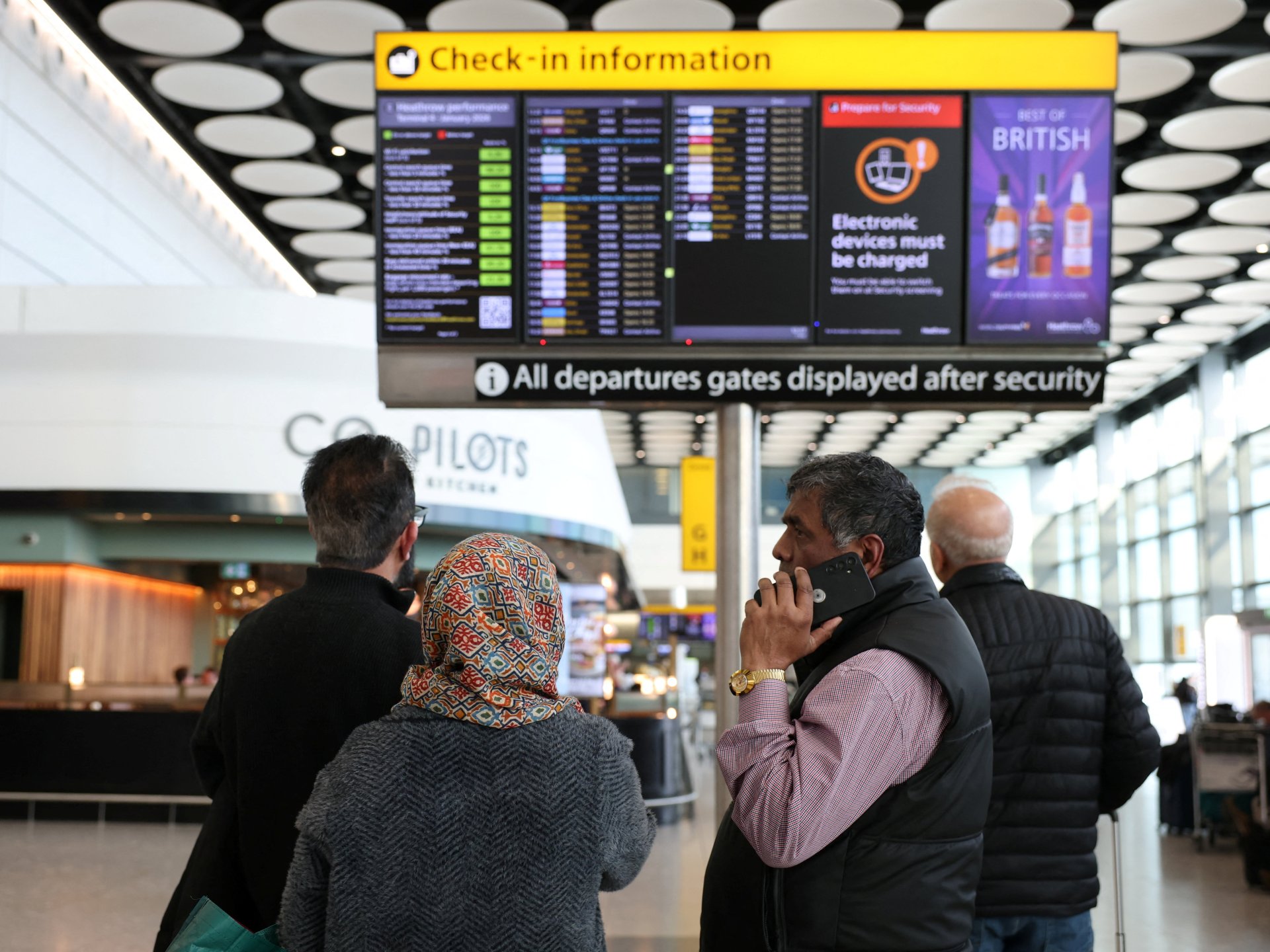
The practical impact extends beyond destination choices. Airlines have suspended or reduced service to key Middle Eastern hubs including Dubai, Doha, and Abu Dhabi. Rerouted flights consume significantly more fuel and add hours to journey times, costs that airlines are managing by adjusting cargo loads. Travel agents are responding to customer anxieties by recommending fully protected package deals, even at higher prices, ensuring comprehensive coverage should further disruptions occur.
As aviation safety agencies extend airspace warnings through the end of August, the tourism industry continues adapting. Travel professionals describe client behavior as resembling the uncertainty seen during the COVID-19 pandemic, with families demanding written guarantees and seeking maximum protection for their holiday investments.
“`
Originally reported by Aljazeera →
About the Author