A Key Meat Protein Has Been Grown in Lettuce For The First Time
 A new kind of food is born.
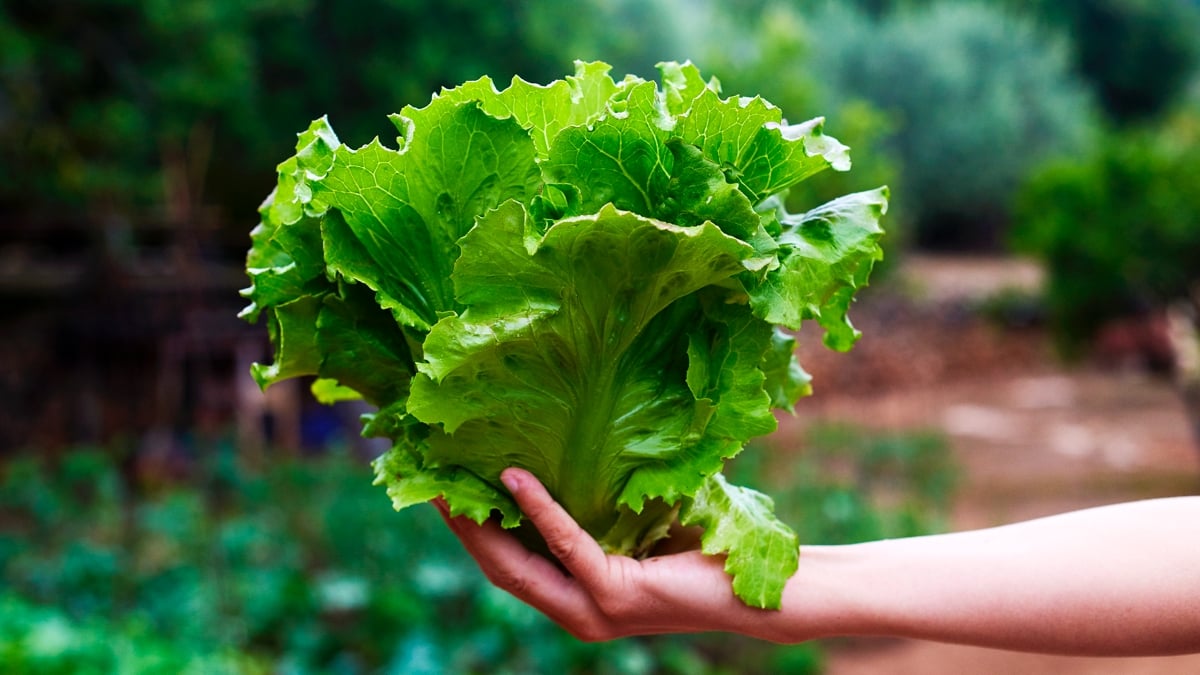
Scientists have successfully engineered lettuce and tobacco plants to produce myoglobin, a protein found naturally in meat, marking the first time this has been achieved in higher plants. Researchers at Imperial College London used genetic modification techniques to insert pig myoglobin genes into the chloroplasts of the seedlings, which then grew into healthy, fertile adult plants that passed the trait to their offspring.
The genetically modified plants produced approximately 810 milligrams of myoglobin per kilogram of dry weight in lettuce and 800 milligrams per kilogram in tobacco. While this represents roughly one-tenth the concentration found in animal muscle, the researchers note that plant cultivation requires significantly fewer resources than livestock farming, potentially yielding comparable protein amounts per hectare while using substantially less water and generating fewer greenhouse gas emissions.
The innovation addresses growing environmental concerns surrounding meat production, which is recognized as having substantial negative impacts on land use, water consumption, and carbon emissions. The extracted protein could be incorporated into plant-based meat alternatives or consumed directly as a fresh ingredient. Researchers acknowledge that further optimization is needed, including improving how completely the heme molecule incorporates into the myoglobin structure and enhancing overall protein yields in future plant generations.
Originally reported by Sciencealert →
About the Author