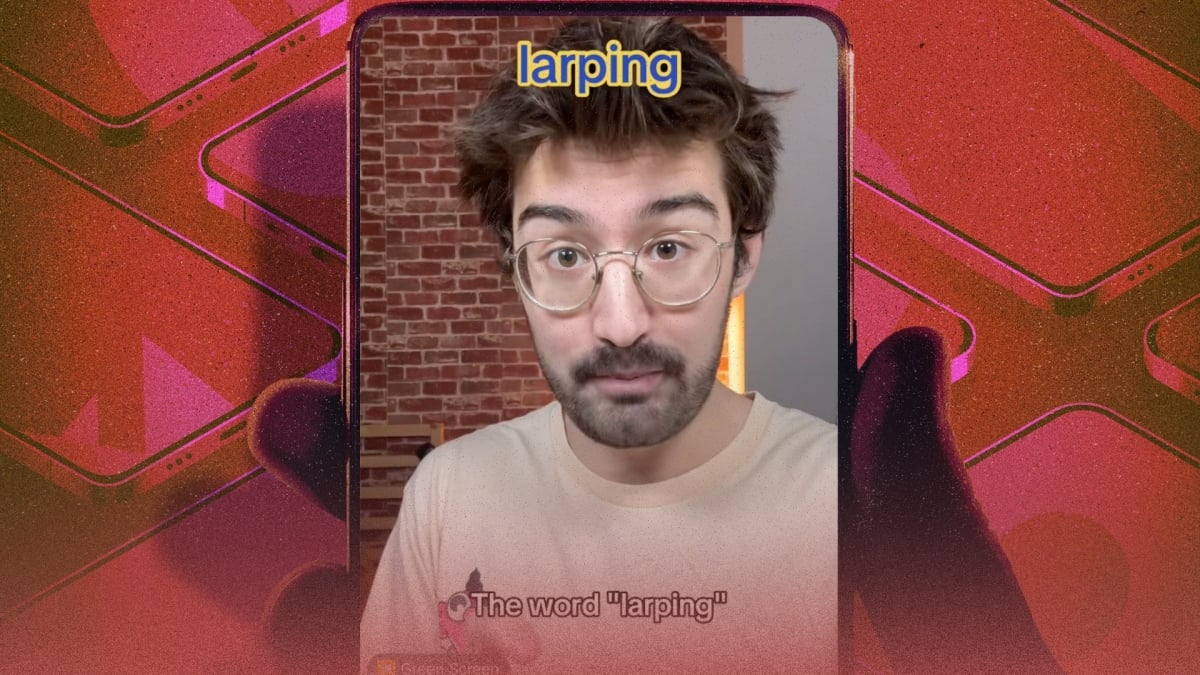
The term “larper” has emerged as a popular internet insult, evolving far beyond its original meaning. What once referred specifically to participants in live-action role-playing games now serves as a catch-all accusation of inauthenticity. The shift reflects a broader pattern of internet slang designed to identify those perceived as performing identities rather than genuinely embodying them.
Originally, a larper was simply someone who dressed as fantasy characters and participated in interactive storytelling with others—a legitimate hobby for thousands. However, online communities gradually repurposed the term to describe anyone presenting a false version of themselves, whether that means claiming expertise after minimal exposure to a topic or adopting trending personalities for social media engagement. Urban Dictionary definitions capture this evolution, describing larpers as people attempting things beyond their actual capabilities while maintaining false confidence about their abilities.
The rise of “larper” as an insult represents an intensification of earlier terms like “poser,” which questioned whether someone belonged in a particular community. Unlike its predecessors, “larper” attacks the fundamental authenticity of a person’s entire identity. This reflects contemporary internet culture, where social media platforms encourage users to construct carefully curated versions of themselves. The platforms reward polished aesthetics and niche expertise, making it difficult to distinguish genuine passion from strategic self-presentation.
The prevalence of “larper” accusations reveals growing skepticism about online identities in an era of influencer culture and curated content. However, the distinction between authentic self-expression and performative identity remains subjective, raising questions about whether calling someone a larper reflects legitimate criticism or simply gatekeeping against newcomers discovering new interests.
Originally reported by Mashable →
About the Author