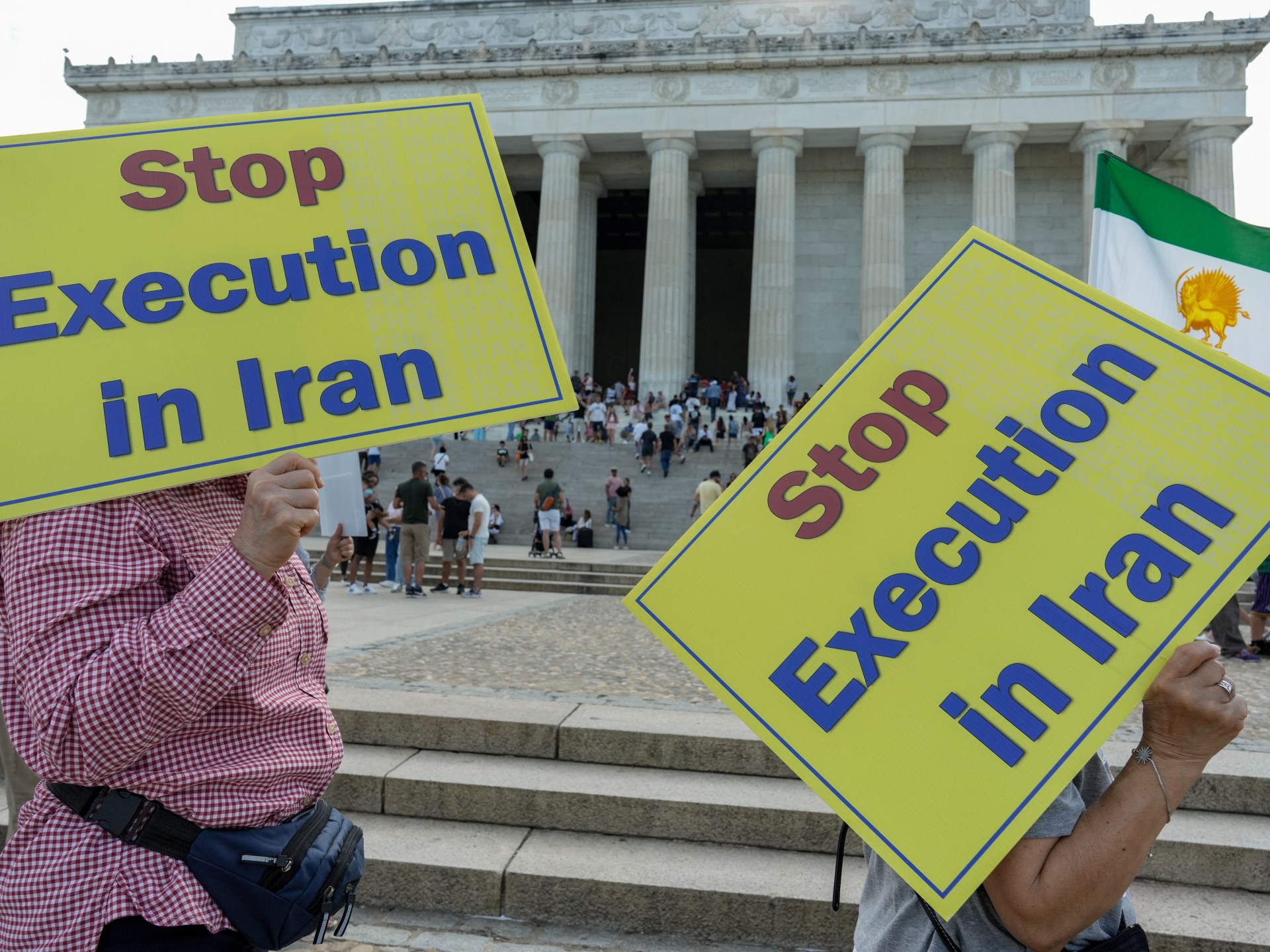
The United Nations human rights chief has reported a significant escalation in executions within Iran, with at least 56 people put to death on national security charges since mid-March. Among those executed, 27 individuals had connections to the widespread protests that occurred earlier in the year, according to Volker Turk, the UN High Commissioner for Human Rights.
Turk expressed grave concern about what he characterized as a deliberate strategy to suppress political opposition through capital punishment. In a statement released this week, he emphasized that executions are being utilized to intimidate the population and prevent dissent. The UN office noted that over 100 additional individuals currently face execution on comparable charges, while drug-related death sentences continue at troubling levels. Turk called on Iranian authorities to immediately cease all executions and work toward abolishing capital punishment altogether.
The UN has also documented serious deficiencies in Iran’s judicial system, noting that defendants frequently lack fair trial protections and due process safeguards. Reports indicate that some confessions used to justify death sentences may have resulted from torture. Additionally, the speed of proceedings raises concerns, with some individuals sentenced to death just weeks after arrest, and one case involving twelve defendants decided in a single three-hour closed hearing.
Human rights organizations, including Amnesty International, have linked the execution surge to Iran’s government response following January’s popular uprising. Iranian officials have defended their practices as lawful applications of national law and religious principles.
Originally reported by Aljazeera →
About the Author