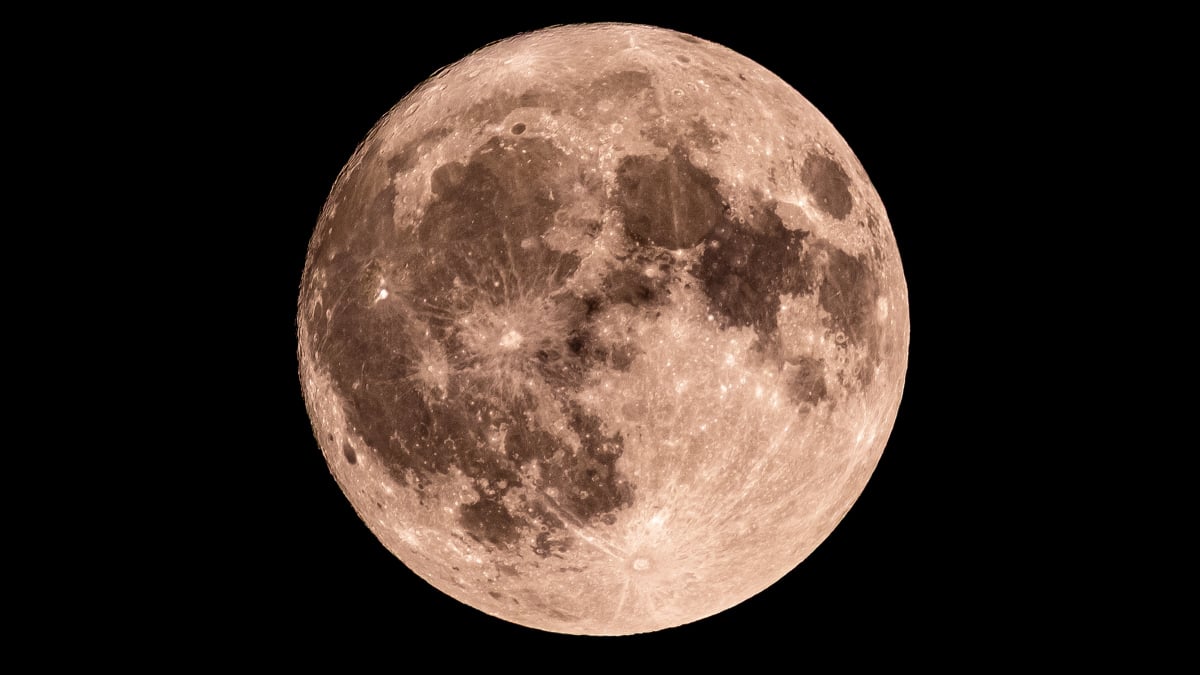
On August 5, the Moon enters the Waning Gibbous phase, marking day 22 of its approximately 29.5-day orbital cycle around Earth. During this stage, roughly 59 percent of the lunar surface remains illuminated and visible from our planet. Observers are approaching the conclusion of the current lunar cycle, with the next New Moon drawing steadily closer on the astronomical calendar.
Despite the decreasing visibility, stargazers can still observe numerous lunar features with basic equipment. Naked-eye observers may spot the Aristarchus Plateau, Kepler Crater, and Tycho Crater. Those equipped with binoculars gain access to additional craters including Gassendi and Clavius, as well as the Apennine Mountains. Telescope users can even identify the Apollo 12 landing site and the Rima Ariadaeus formation.
The Moon’s constantly changing appearance results from its orbital path around Earth and the shifting positions of the Sun, Earth, and Moon relative to one another. This creates eight distinct phases throughout the monthly cycle, each determined by how much of the illuminated lunar surface faces our planet. The next Full Moon will arrive on August 28, completing the current cycle’s progression from the upcoming New Moon through its various intermediate phases.
Originally reported by Mashable →
About the Author