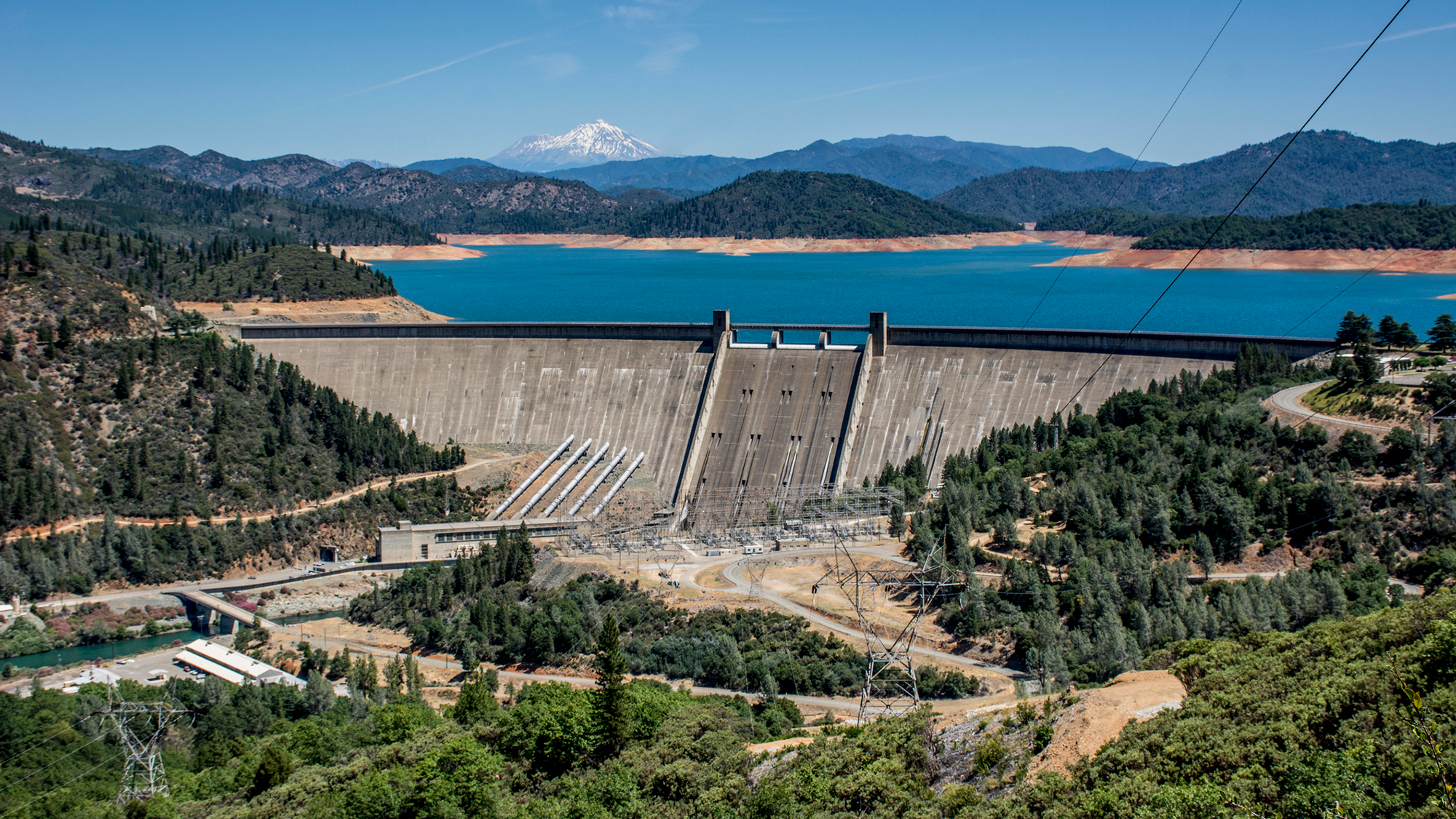
A major new study reveals that sediment accumulation in reservoirs worldwide poses a critical threat to water storage and infrastructure safety. Researchers analyzing over 550,000 reservoirs globally found that approximately one in five are at high risk of becoming filled with sediment, with projections suggesting more than half of all reservoirs could be rendered non-functional by 2060. The sediment, carried into reservoirs by rainfall and flowing through watersheds, displaces water storage capacity and increases structural stress on dams not originally designed to withstand such pressure.
The American West ranks among the world’s most vulnerable regions for this phenomenon. North America experiences sedimentation rates of 7.8 percent annually, higher than the global average, with the western United States facing particular challenges due to mountainous terrain that naturally channels sediment into waterways. The situation is intensified by human activities such as agriculture and logging, which accelerate soil erosion. Additionally, wildfires endemic to the region deposit substantial debris into watersheds, exacerbating the problem. California’s agricultural areas illustrate this crisis, with more than half of small reservoirs in corn-growing regions filling at rates exceeding 10 percent yearly.
Experts emphasize that long-term solutions require upstream intervention and watershed management to reduce sediment flow. Existing remedies range from expensive technological retrofits enabling sediment passage to complete dam removal, which some regions like Washington have pursued. However, many smaller dams across the country remain unassessed and overlooked despite posing genuine safety risks. Without coordinated action addressing the regulatory gaps between federal and state oversight, researchers warn that aging reservoirs filled with sediment will increasingly threaten communities downstream and jeopardize water security for billions of people globally.
Originally reported by Livescience →
About the Author