Monkeys Show a Strange Language Quirk We Thought Was Unique to Humans
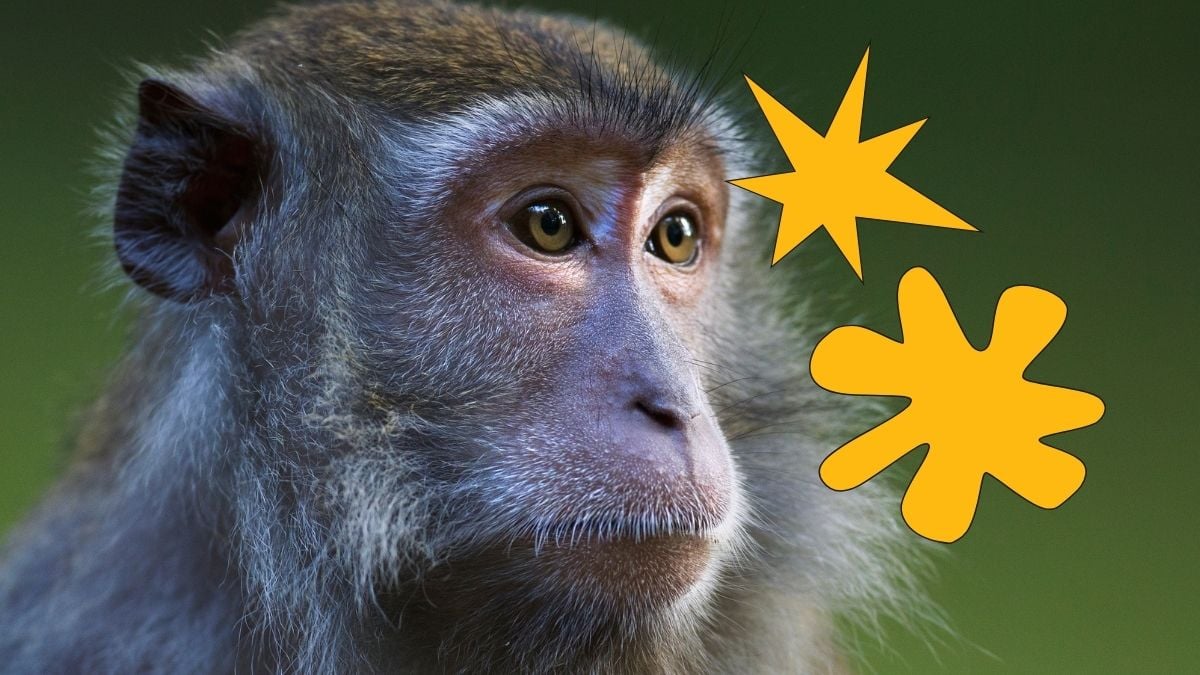 There's just something about 'Bouba' and 'Kiki'.
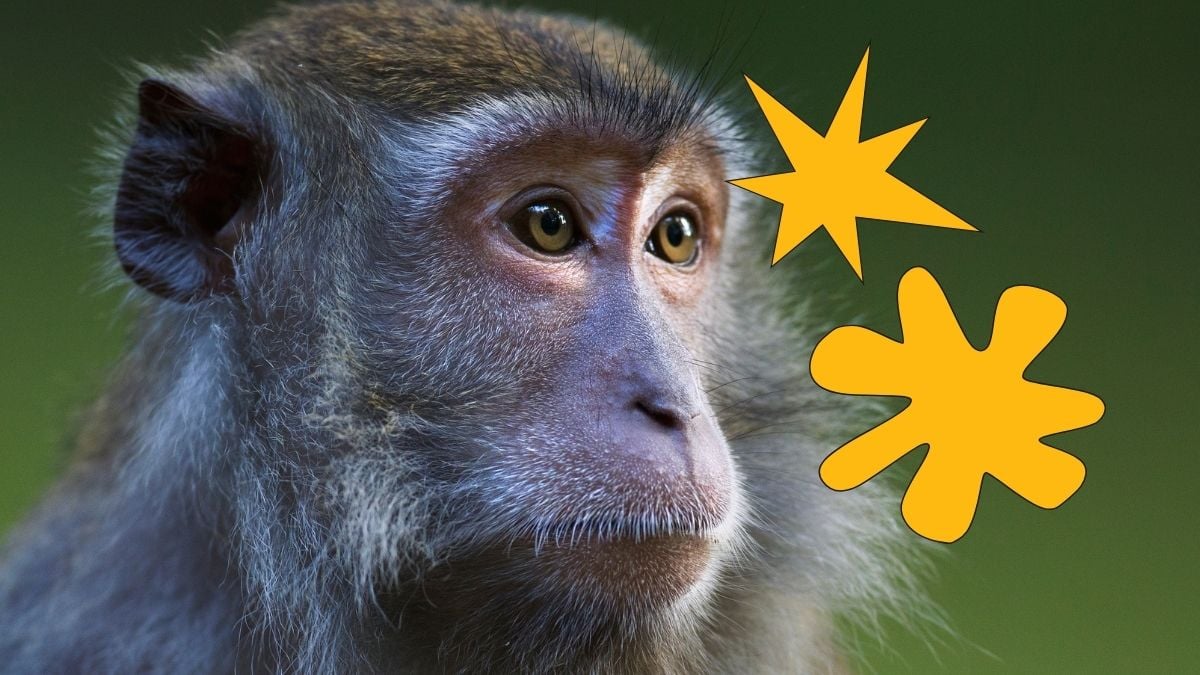
Researchers have discovered that macaque monkeys exhibit a linguistic phenomenon previously thought to be unique to humans. In a classic psychological experiment known as the “bouba/kiki” test, most people associate the word “bouba” with rounded shapes and “kiki” with spiky shapes, regardless of their native language. Scientists at Singapore’s Mandai Wildlife Reserve found that nine macaques made remarkably similar associations without any prior training.
The experiment involved training the monkeys to locate food hidden beneath cup lids featuring various shapes. Once the animals understood the task, researchers presented them with cups displaying either round or spiky shapes while playing recordings of either “bouba” or “kiki.” The monkeys spontaneously selected the round-shaped lid when hearing “bouba” and the spiky-shaped lid when hearing “kiki” at rates significantly higher than random chance would predict.
The findings suggest that the crossmodal connections between sounds and shapes may derive from ancient perceptual mechanisms shared among primates rather than being distinctly human. Scientists now question how widespread these perceptual associations are across different vertebrate species. While the research is promising, it has not yet undergone peer review, and experts acknowledge that larger studies involving more subjects would provide a clearer understanding of this phenomenon.
Originally reported by Sciencealert →
About the Author