“`html
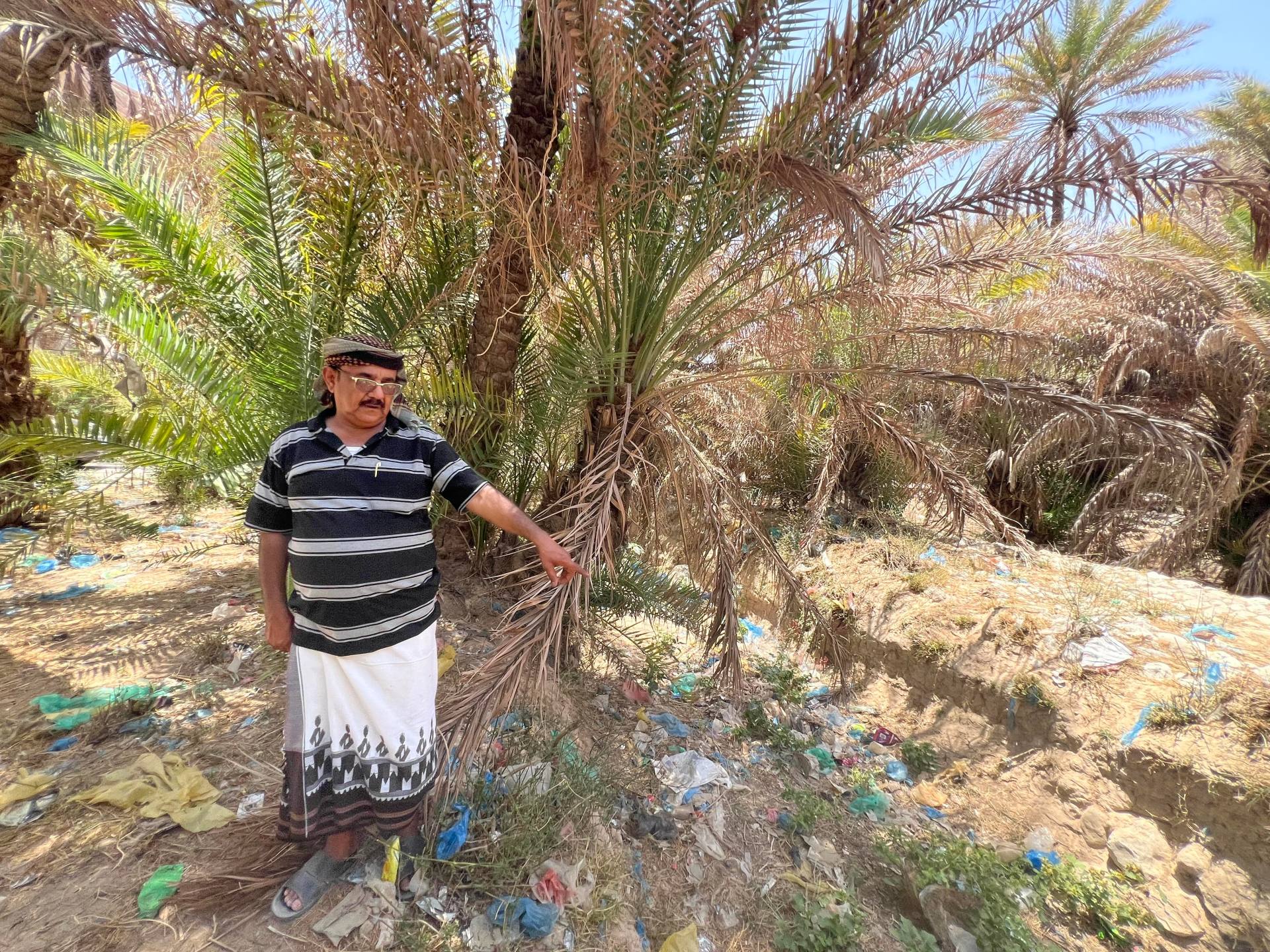
Yemen’s Wadi Dawan valley presents a stark contradiction. While the eastern region appears pristine from above, with its scenic date palm groves and traditional mud-brick settlements, a closer examination reveals a troubling environmental crisis. Plastic waste and household refuse now blanket the agricultural landscape, creating serious health and productivity concerns for the valley’s farming communities.
The accumulation of discarded bags, bottles, and food wrappers throughout the valley’s irrigation channels threatens crop yields and farming operations. Local farmers report that seasonal floods carry plastic debris that blocks water flow to fields, forcing them to manually clear debris before planting. The contamination also affects soil quality and can damage the infrastructure that delivers vital water to crops. According to agricultural officials, some farmers lose entire harvests due to insufficient irrigation caused by waste blockages.
Authorities attribute the deteriorating situation to inadequate waste management infrastructure and insufficient public education about environmental risks. Most areas lack proper collection systems, and existing collection services operate sporadically due to limited funding and maintenance issues. The crisis has intensified over the past decade, as Yemen’s ongoing conflict has strained government resources and local administrative capacity, leaving municipalities unable to implement effective waste management solutions.
Local officials and environmental advocates are attempting to raise awareness of the problem through media campaigns and community engagement, but progress has been slow. Addressing the crisis requires increased funding and coordinated efforts to establish functional waste collection systems across the valley.
“`
Originally reported by Aljazeera →
About the Author