
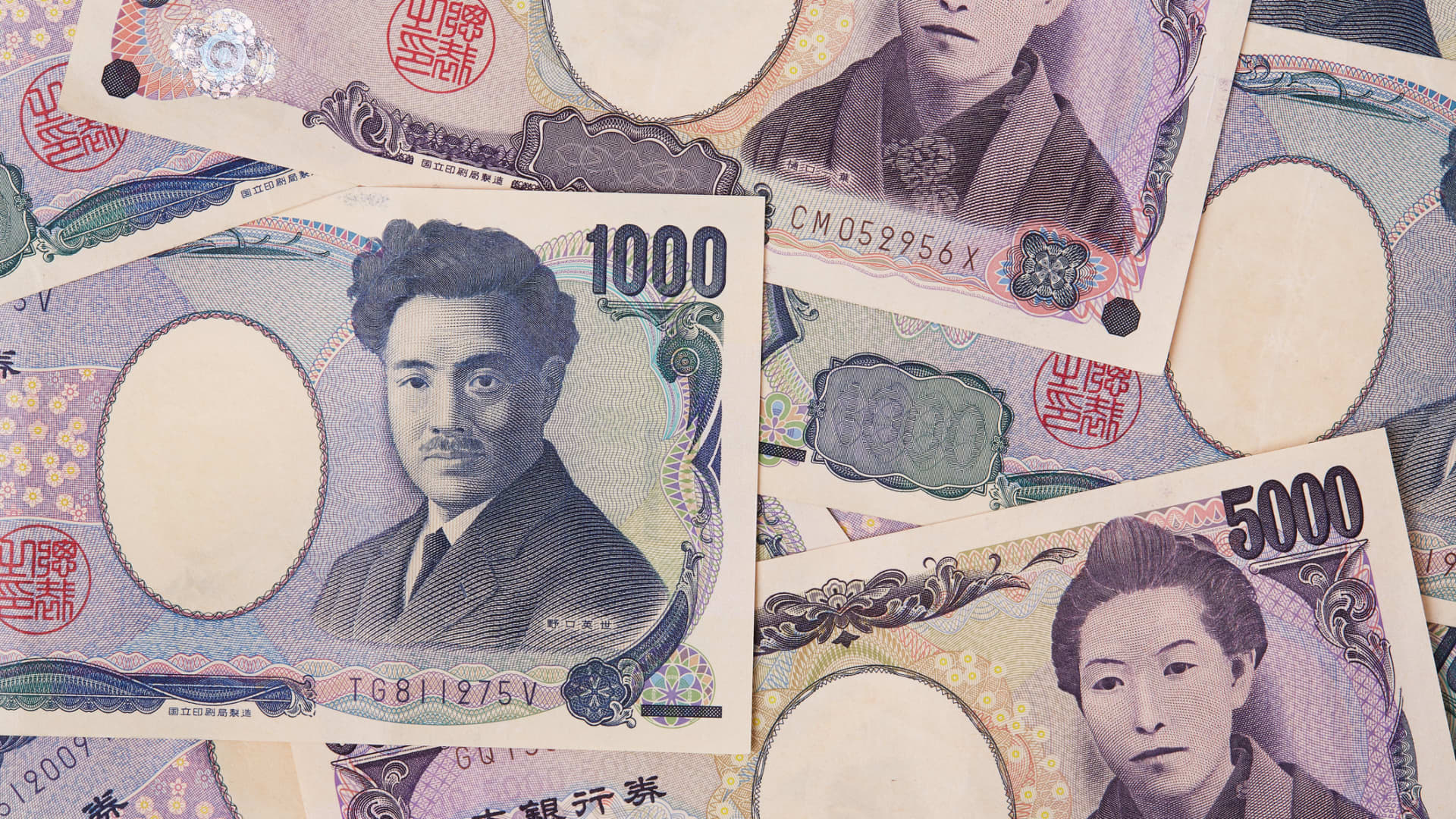
The Japanese yen has surrendered roughly half the ground it gained following an extraordinary coordinated intervention by U.S. and Japanese authorities less than two weeks prior. The currency now trades near 159 per dollar, having weakened from the 155 level it reached immediately after the joint action, signaling limited lasting impact from the dramatic policy move.
Market analysts attribute the currency’s renewed decline to deeper economic forces that short-term intervention cannot easily overcome. The fundamental issue centers on the significant interest rate differential between the two nations, with U.S. Treasury yields substantially exceeding Japanese government bond yields. This gap continues to incentivize investors to borrow cheaply in yen and deploy capital in higher-yielding U.S. assets, a strategy known as the carry trade. Additionally, elevated oil prices and rising Treasury yields have reinforced the economic logic favoring dollar strength.
Experts suggest the intervention successfully rattled markets and demonstrated unusual policy coordination between Washington and Tokyo, yet it failed to address the underlying yield advantage supporting the dollar. Meaningful yen recovery may require the Bank of Japan to pursue more aggressive interest rate increases or for Japanese investment opportunities to become substantially more attractive globally. Without such fundamental changes, the 160 yen-per-dollar level appears poised to remain a key battleground for policymakers attempting to stabilize the currency.
About the Author