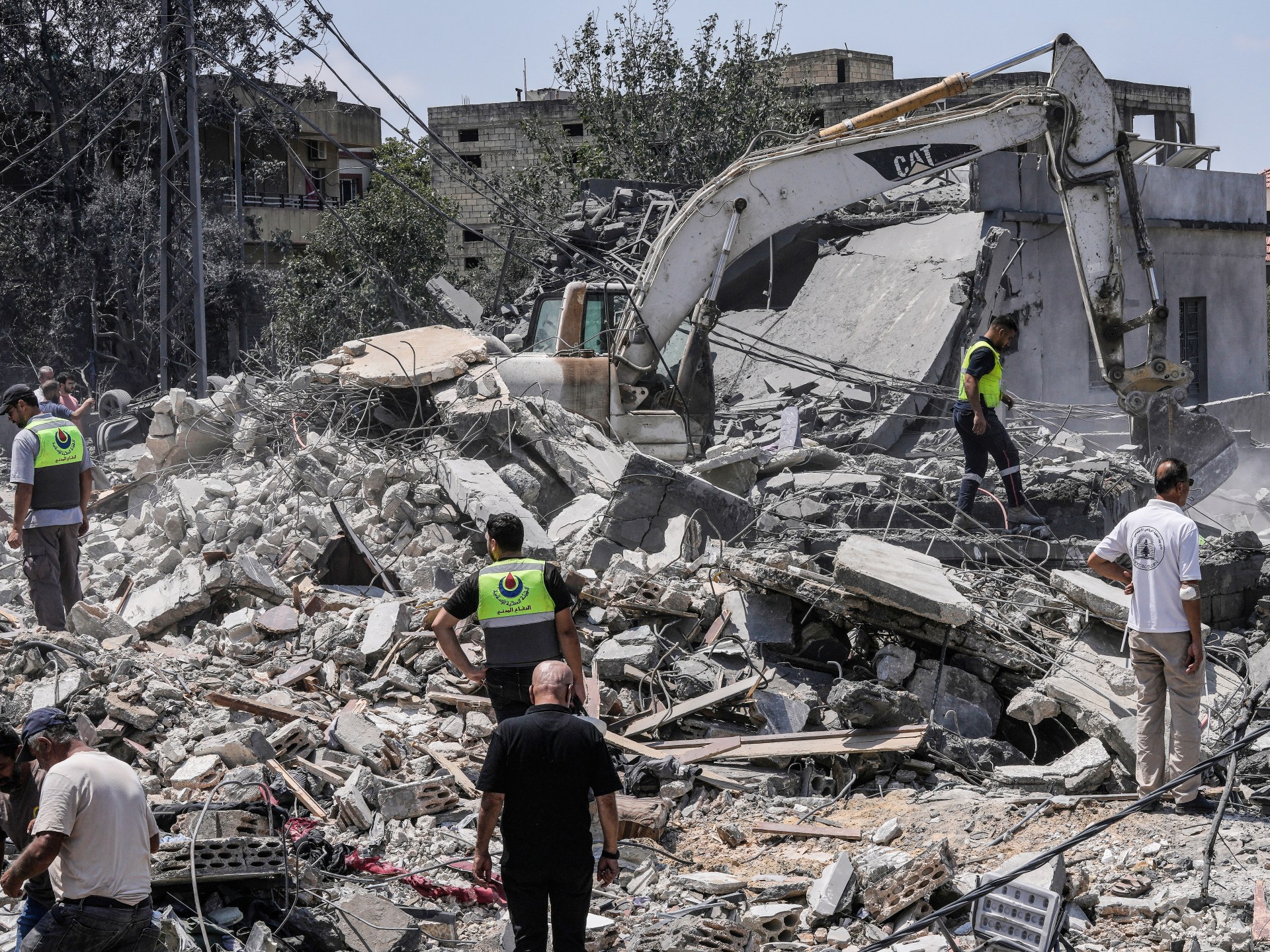
Israeli military operations in southern Lebanon have intensified dramatically, resulting in the deaths of at least 11 people in a single day of attacks. This escalation marks the most significant breach of the ceasefire agreement that the United States brokered between Israel and Lebanon in June, raising serious questions about the viability of the truce.
The Israeli military justified the strikes as responses to Hezbollah actions, claiming the attacks targeted militant infrastructure and senior commanders. However, Lebanese officials and international observers have condemned the operations, noting that the violence predominantly affects civilian populations in southern villages. Entire communities have reportedly been demolished, with some border towns completely destroyed including historic monuments and burial sites.
Two separate ceasefire frameworks agreed upon in June—one on June 4 and another on June 26—have failed to halt Israeli military expansion into Lebanese territory. While both agreements were mediated by the Trump administration and included provisions regarding Hezbollah’s activities, they have not prevented continued Israeli operations. Notably, Hezbollah opposed both agreements from the outset.
The escalation comes as Lebanese officials prepare for another round of negotiations with Israel scheduled for next month. Analysts suggest the renewed violence may reflect efforts by Israeli leadership to demonstrate military dominance and maintain control over southern Lebanese areas, complicating prospects for a lasting diplomatic resolution.
Originally reported by Aljazeera →
About the Author