“`html
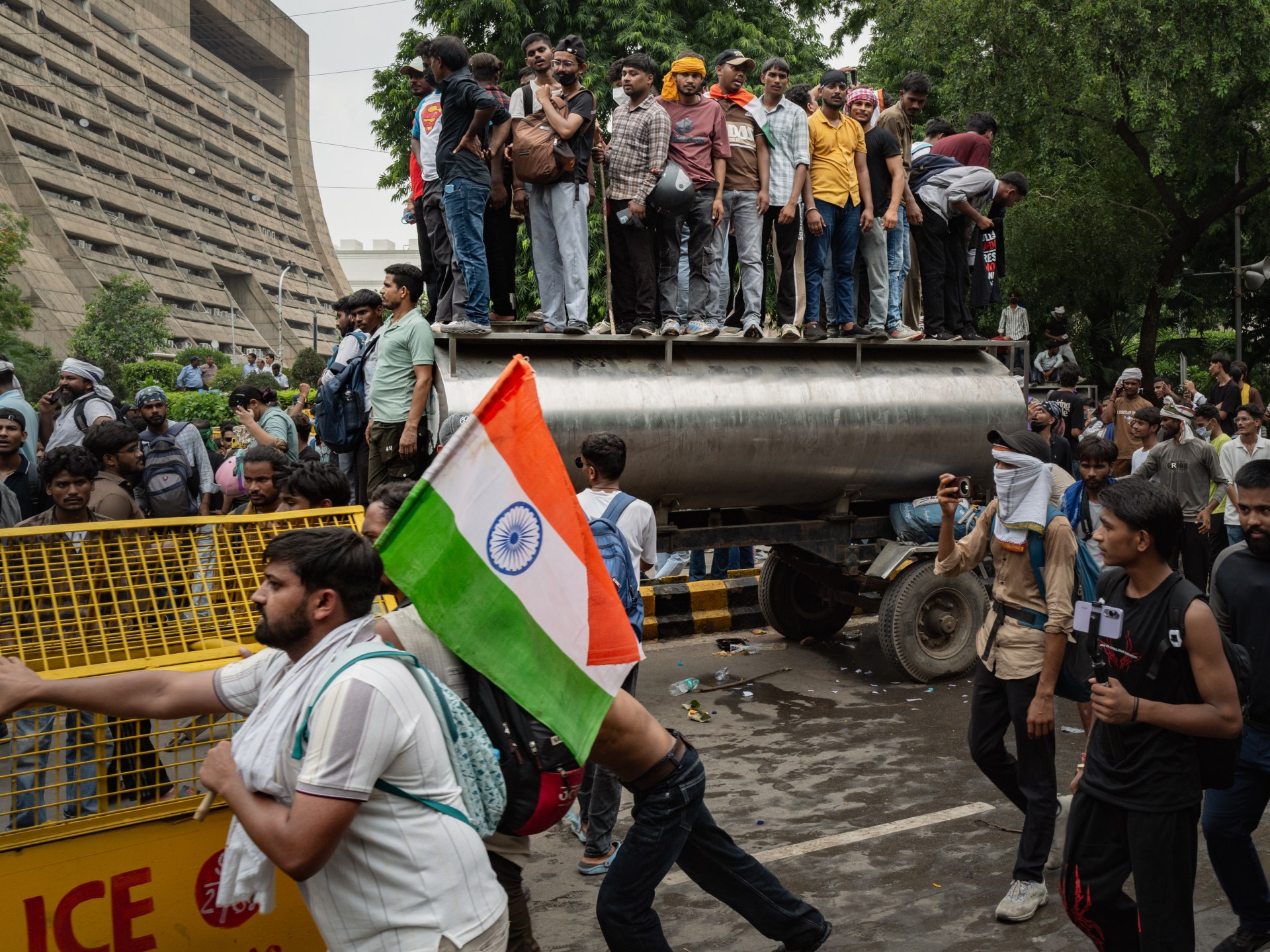
Recent demonstrations in Delhi surrounding the Cockroach Janta Party have exposed significant generational shifts in how young Indians engage with politics and institutions. Thousands of protesters took to the streets demanding accountability following alleged irregularities in a national medical entrance examination, signaling deeper concerns about fairness and merit-based advancement in the country.
The underlying anxiety driving these demonstrations extends far beyond a single examination controversy. For millions of Indian families, education represents the primary pathway to economic opportunity and social mobility. When confidence in the integrity of merit-based systems deteriorates, the ripple effects threaten the foundational belief that hard work will be fairly rewarded. The protests reflected this broader institutional anxiety rather than isolated anger over administrative failures.
Comparable youth-led movements have emerged globally, from Hong Kong to Chile, each beginning with specific grievances before expanding into wider conversations about governance and institutional legitimacy. India’s demonstrations followed this recognizable pattern, with political actors gradually amplifying initial concerns for broader advantage. This intersection of genuine public anxiety and political opportunity presents both challenge and possibility for policymakers.
Governments that acknowledge and address legitimate youth concerns while maintaining focus on institutional reform will shape the coming decade’s political landscape. Those dismissing these movements risk overlooking a fundamental transformation in how the next generation understands democratic participation and institutional trust.
“`
Originally reported by Aljazeera →
About the Author