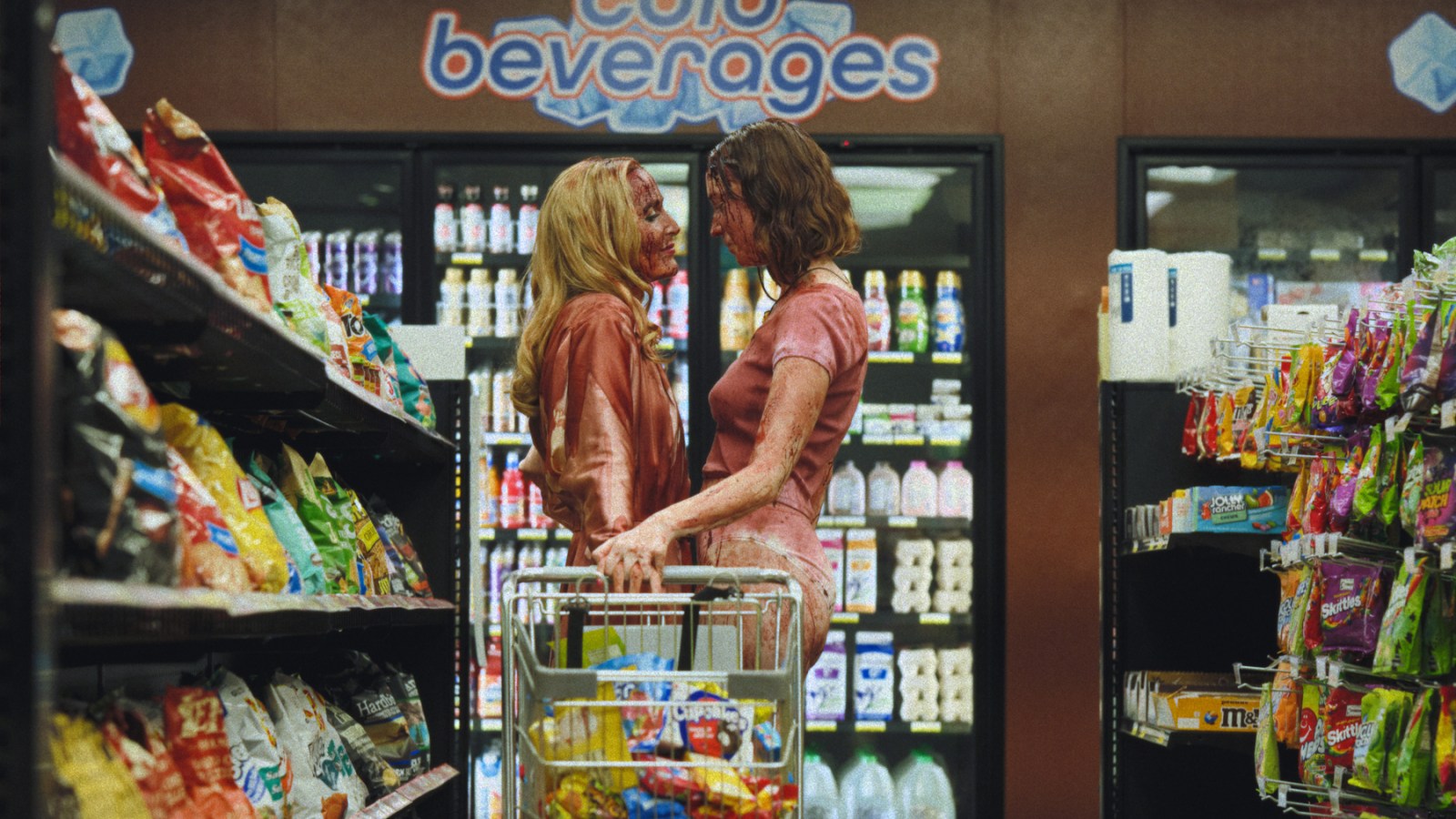
Filmmaker Jane Schoenbrun has crafted a celebration of slasher cinema that doubles as an exploration of guilty pleasures and cinematic obsession. The film centers on a fictional 1980s horror franchise called Camp Miasma, complete with elaborate backstory, merchandise, and cultural evolution spanning decades. Through meticulous attention to detail—from action figures to arcade games to trading cards—Schoenbrun recreates the full lifecycle of a beloved yet controversial intellectual property, tracing its journey from initial popularity through backlash and eventual nostalgic reappraisal.
The narrative follows Kris, a young queer filmmaker portrayed by Hannah Einbinder, who attempts to revive the franchise by recruiting its original star. That role belongs to Billy Preston, played by Gillian Anderson, who has spent over a decade in seclusion at the abandoned camp where the original films were shot. Kris envisions Preston as the anchor for a new installment, while Preston’s agent sees only a cameo opportunity. Anderson’s performance, complete with dramatic flair and deliberate theatricality, establishes “camp” as a film-wide concept operating on multiple levels simultaneously.
Schoenbrun infuses the work with infectious energy regarding the transgressive nature of horror cinema. The film embraces junk culture—both cinematic and culinary—as sources of genuine excitement and desire. Drawing from personal experience with video rental store horror sections, Schoenbrun creates something that validates the appeal of “bad” entertainment while examining how formative these experiences can be in shaping artistic sensibilities and personal identity.
Originally reported by Rollingstone →
About the Author