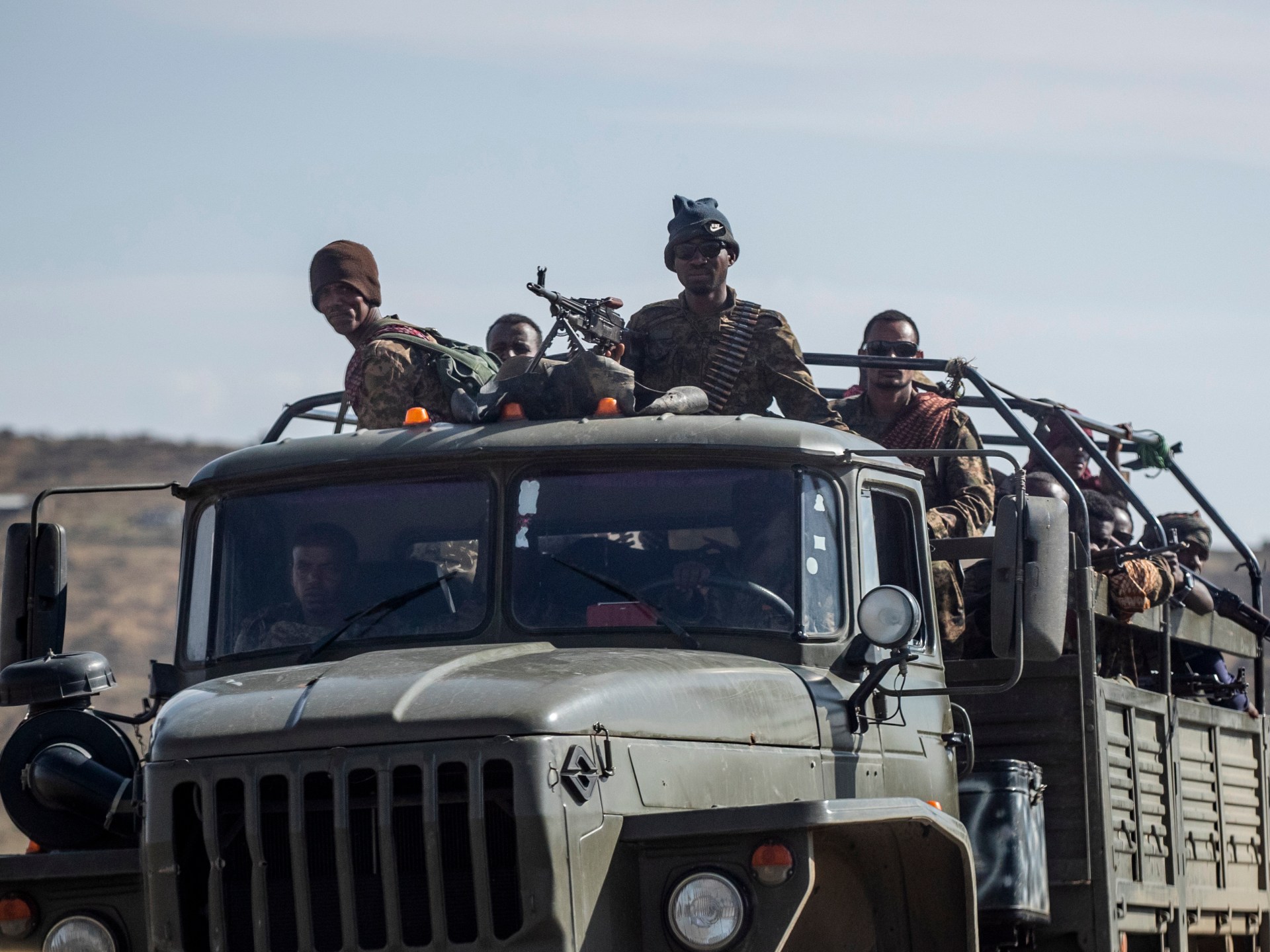
Northern Ethiopia’s political landscape has undergone a dramatic transformation in recent years. What was once a clear division between adversaries has become a complex web of shifting allegiances. The Tigray People’s Liberation Front, Fano militias, and Eritrea are now repositioning themselves in ways that have surprised many observers and created new tensions with Ethiopia’s federal government.
The TPLF, which fought a devastating conflict against the government from 2020 to 2022, has reasserted itself militarily since March 2025. The Tigray Defence Forces have reclaimed control of significant territory, including the regional capital and several border towns. Meanwhile, Fano, an Amhara militia network that once supported the federal government against the TPLF, has increasingly turned against the same government it previously allied with. The group now appears focused on defending what it views as Amhara interests and challenging the current administration.
Accusations of coordination between former enemies have added another layer of complexity. Ethiopia’s government claims the TPLF and Eritrea are now backing Fano forces, while TPLF leaders deny these allegations. Eritrea, which officially acknowledged participating in the 2020-2022 war only recently, continues to maintain a military presence in disputed border areas despite peace agreement commitments. These evolving relationships reflect broader regional tensions, including conflicts over resources and geopolitical influence that extend beyond Ethiopia’s borders.
Originally reported by Aljazeera →
About the Author