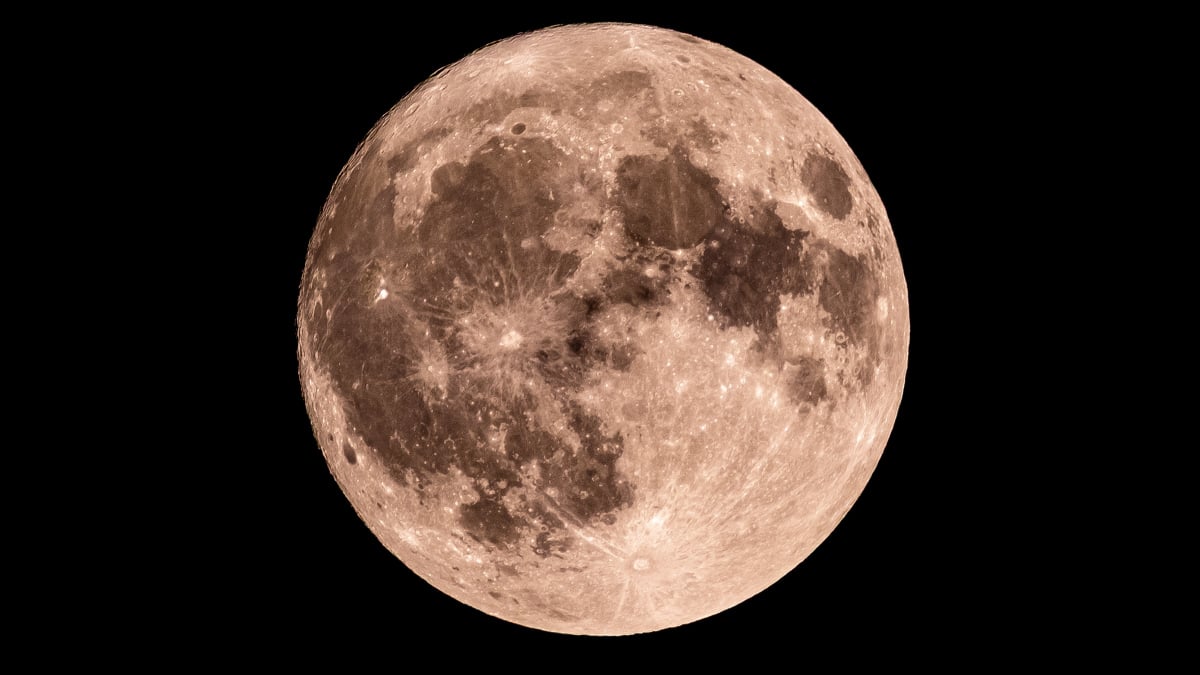
On August 8, the Moon enters its Waning Crescent phase with only 26 percent of its surface illuminated, marking a steady decline in visibility as it approaches the New Moon. Stargazers should act quickly if they wish to observe lunar features, as the Moon’s brightness continues to diminish over the coming evenings.
Those observing without optical equipment may still spot the Aristarchus Plateau and Kepler Crater. However, binoculars or telescopes reveal additional details, including the Grimaldi Basin, Gassendi Crater, and Mare Humorum. The next opportunity to see a fully illuminated Moon will arrive on August 28.
The changing appearance of the Moon results from its monthly orbit around Earth, a cycle lasting approximately 29.5 days. As the Sun, Earth, and Moon shift positions relative to one another, the amount of visible illuminated surface changes continuously. This creates the eight distinct phases observers recognize throughout each lunar month, ranging from thin crescents to the full, bright orb.
Originally reported by Mashable →
About the Author