“`html
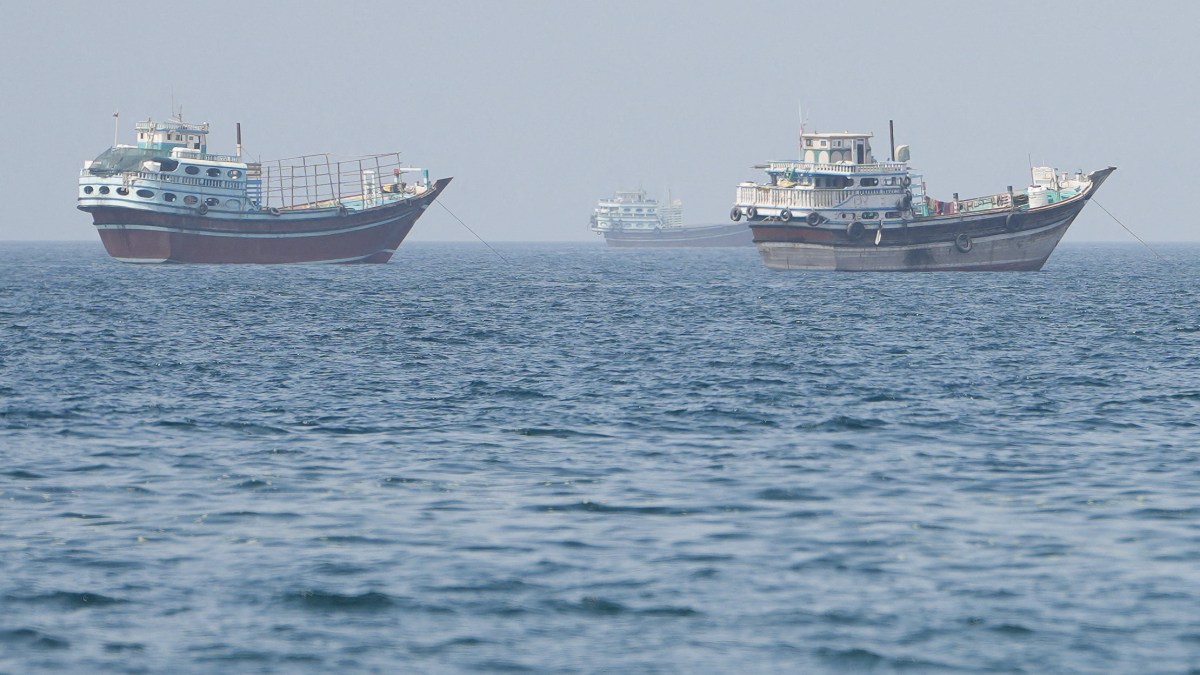
Iran has weaponized its geographic control over the Strait of Hormuz, severely restricting maritime commerce through the vital shipping corridor. Data from IMF PortWatch reveals a dramatic collapse in traffic, with daily vessel passage dropping from approximately 90 ships to just four during the first week of August 2026 compared to the same period in 2025. This represents a roughly 96 percent decline in both ship numbers and cargo volume, with disruptions persisting since late February rather than representing isolated incidents.
The strategic significance of this disruption extends far beyond oil markets. Nearly 20 million barrels of crude oil and petroleum products transit Hormuz daily, comprising roughly one-quarter of global seaborne oil trade. Asia receives approximately 80 percent of these flows, with China and India accounting for 44 percent. Additionally, Qatar and the UAE export liquefied natural gas equivalent to nearly one-fifth of global LNG trade through the strait, with no viable alternative routes available. The corridor also carries critical commodities including fertilizers and helium essential for semiconductor manufacturing and advanced technologies.
While Iran currently possesses substantial leverage over energy-dependent economies and importers, experts suggest this advantage carries inherent limitations. Prolonged disruption could ultimately erode Tehran’s coercive power as affected nations develop alternative trade routes, diversify suppliers, and reduce their reliance on Hormuz-dependent commodities. The economic pressure extends to less visible sectors, including emerging artificial intelligence infrastructure projects in Gulf states that depend on affordable regional energy access.
“`
Originally reported by Aljazeera →
About the Author