Tennessee’s primary elections on Thursday provided the first test of the state’s newly redrawn congressional districts, revealing significant shifts in political representation across the state. The redistricting effort, completed in May, represents Tennessee’s participation in a broader partisan realignment affecting roughly ten states since 2025. The reconfiguration has major implications for the state’s representation in Congress, particularly affecting competitive races that will determine control of the House of Representatives.
One of the most notable outcomes was the defeat of incumbent Representative Andy Ogles in District 5’s Republican primary. Ogles, who had earned Trump’s endorsement, lost to Charlie Hatcher, a former state agriculture commissioner and dairy farmer. The upset marked a significant rebuke of the Trump-backed candidate, who had faced widespread criticism for inflammatory remarks about Muslim Americans. Hatcher will now compete against Democrat Chaz Molder in the general election.
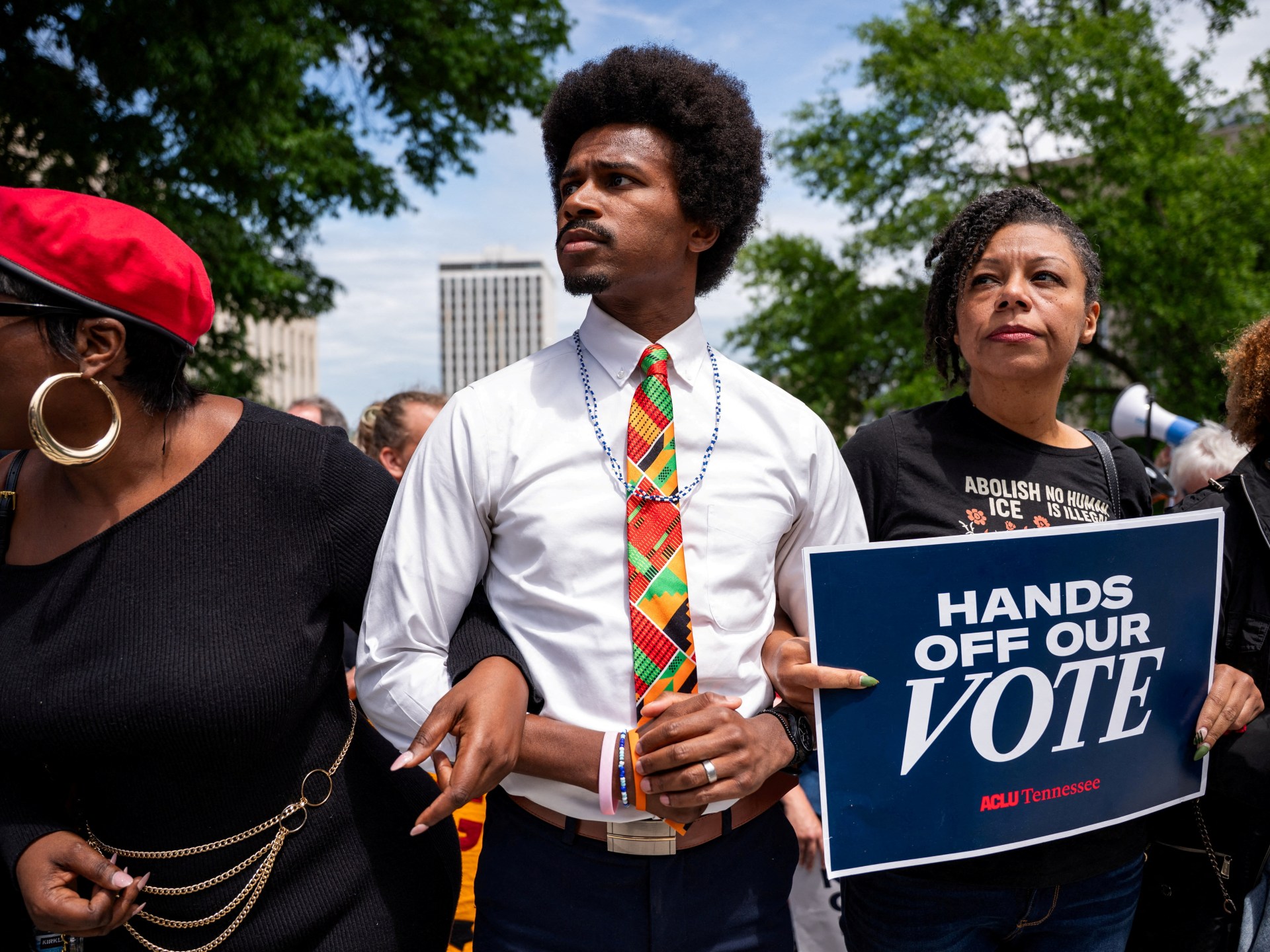
The redistricting process fundamentally altered District 9, which previously centered on Memphis as Tennessee’s sole majority-Black district. Republicans reconfigured the district to stretch over 200 miles, incorporating rural areas while diluting Democratic voting power in the region. State Representative Justin Pearson secured the Democratic nomination for this newly competitive seat, setting up a challenging race in a district that now leans Republican. These boundary changes underscore how redistricting decisions reshape electoral outcomes and political power across the state heading into November’s midterms.
Originally reported by Aljazeera →
About the Author