“`html
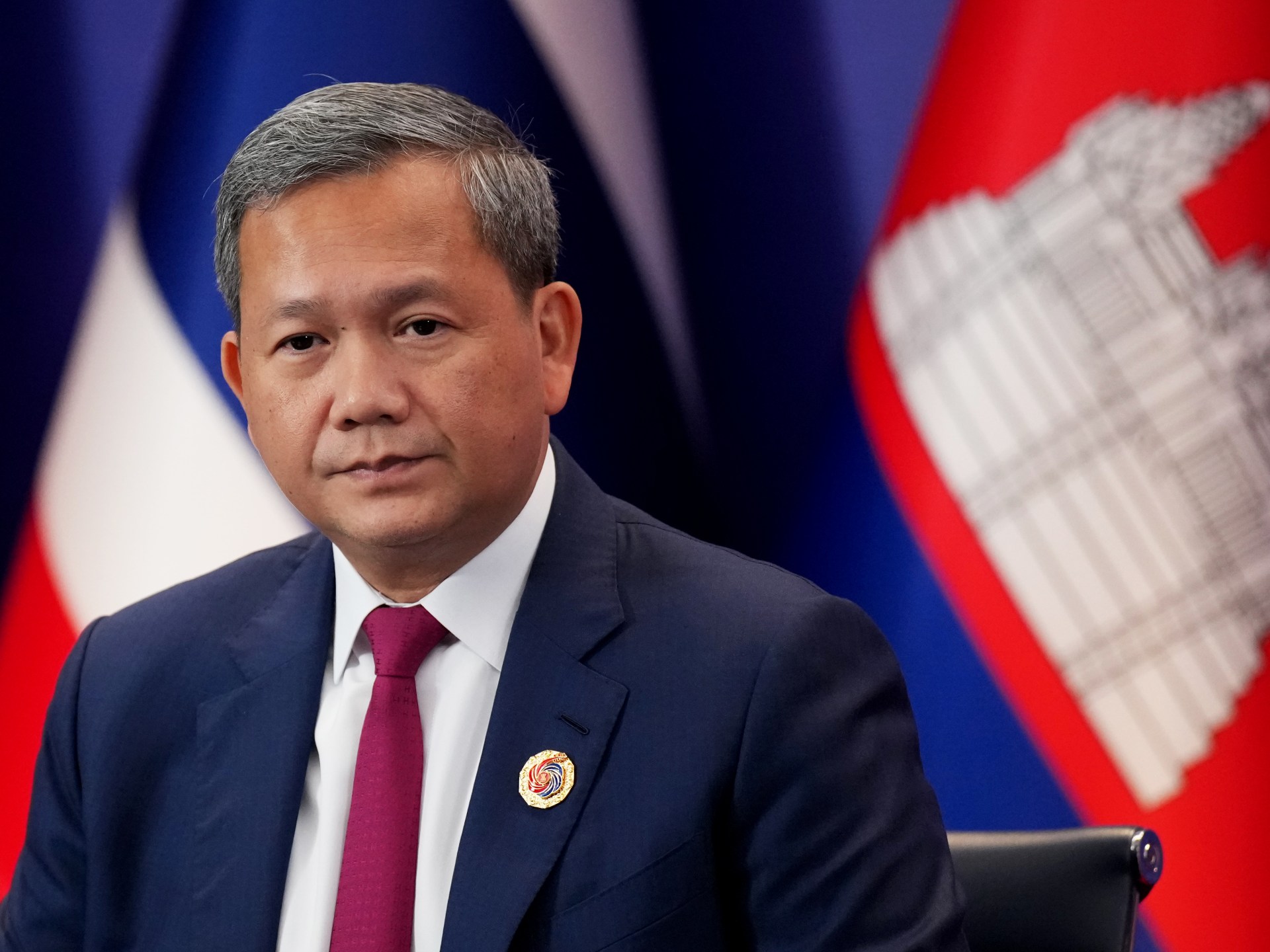
Since taking over as Prime Minister of Cambodia in August 2023, Hun Manet has maintained the authoritarian foundations established by his predecessor and father, Hun Sen. Despite initial hopes from international observers that the younger leader’s Western education might lead to democratic reforms, the political system has remained fundamentally unchanged. The ruling Cambodian People’s Party has continued to prioritize preserving its power structure through established mechanisms of control rather than opening political space.
Under Hun Manet’s leadership, repression has become less visible but more strategically refined. Rather than relying solely on overt violence, the regime now employs legal mechanisms, digital surveillance and tighter communication controls to suppress dissent. Environmental activists, opposition politicians and independent journalists face arbitrary arrests, lengthy prison sentences and administrative obstruction. Recent cases include environmental advocates convicted on charges of conspiracy and insult to the state, and journalists arrested while investigating corruption and illegal activities benefiting the ruling elite.
The consolidation of Hun Manet’s rule demonstrates that Cambodia’s authoritarian model has been modernized rather than dismantled. While Western governments continue diplomatic engagement hoping to encourage democratic changes, this approach misunderstands the regime’s strategic priorities. Cambodia’s alignment with China has become central to the ruling party’s survival strategy, providing support that insulates the government from external pressure regarding democracy and human rights.
“`
Originally reported by Aljazeera →
About the Author