“`html
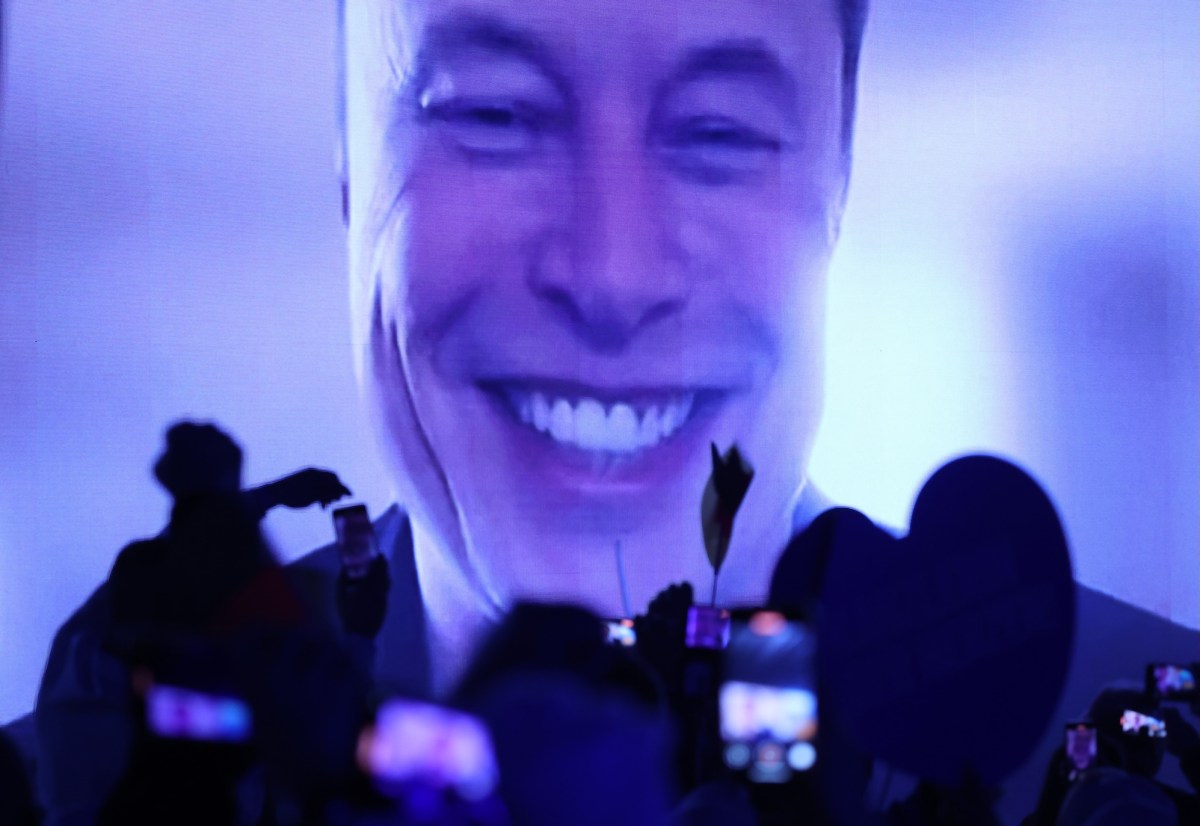
SpaceX held its first earnings call as a public company on Tuesday, showcasing a familiar dynamic: CEO Elon Musk made sweeping projections while his executives offered more measured assessments of the company’s prospects. The contrast highlighted how Musk tends to present ambitious visions while his leadership team works to translate those statements into investor-friendly language.
During the call, Musk claimed Starlink could deliver the majority of global internet traffic within a decade, a timeframe significantly shorter than what Chief Operating Officer Gwynne Shotwell suggested moments later. Shotwell instead described Starlink becoming “a significant portion” of worldwide internet traffic—a more cautiously worded prediction despite expressing similar ambitions for the satellite internet service.
The pattern repeated with SpaceX’s emerging compute business. Chief Financial Officer Bret Johnsen projected the company would reach $100 billion in annualized revenue by year-end, carefully noting this assumed specific assumptions about deployment. Musk subsequently characterized that figure as essentially a floor, suggesting actual results would likely exceed it and pointing to an even more aggressive timeline for SpaceX to achieve $1 trillion in total revenue—moving the target from 2031 to 2030, with a possibility of 2029.
The dynamic mirrors similar patterns at Tesla, where Musk frequently emphasizes futuristic concepts while executives focus on current business fundamentals. Now that SpaceX is publicly traded, this tendency to escalate promises presents new considerations for investor relations and regulatory scrutiny.
“`
Originally reported by Techcrunch →
About the Author