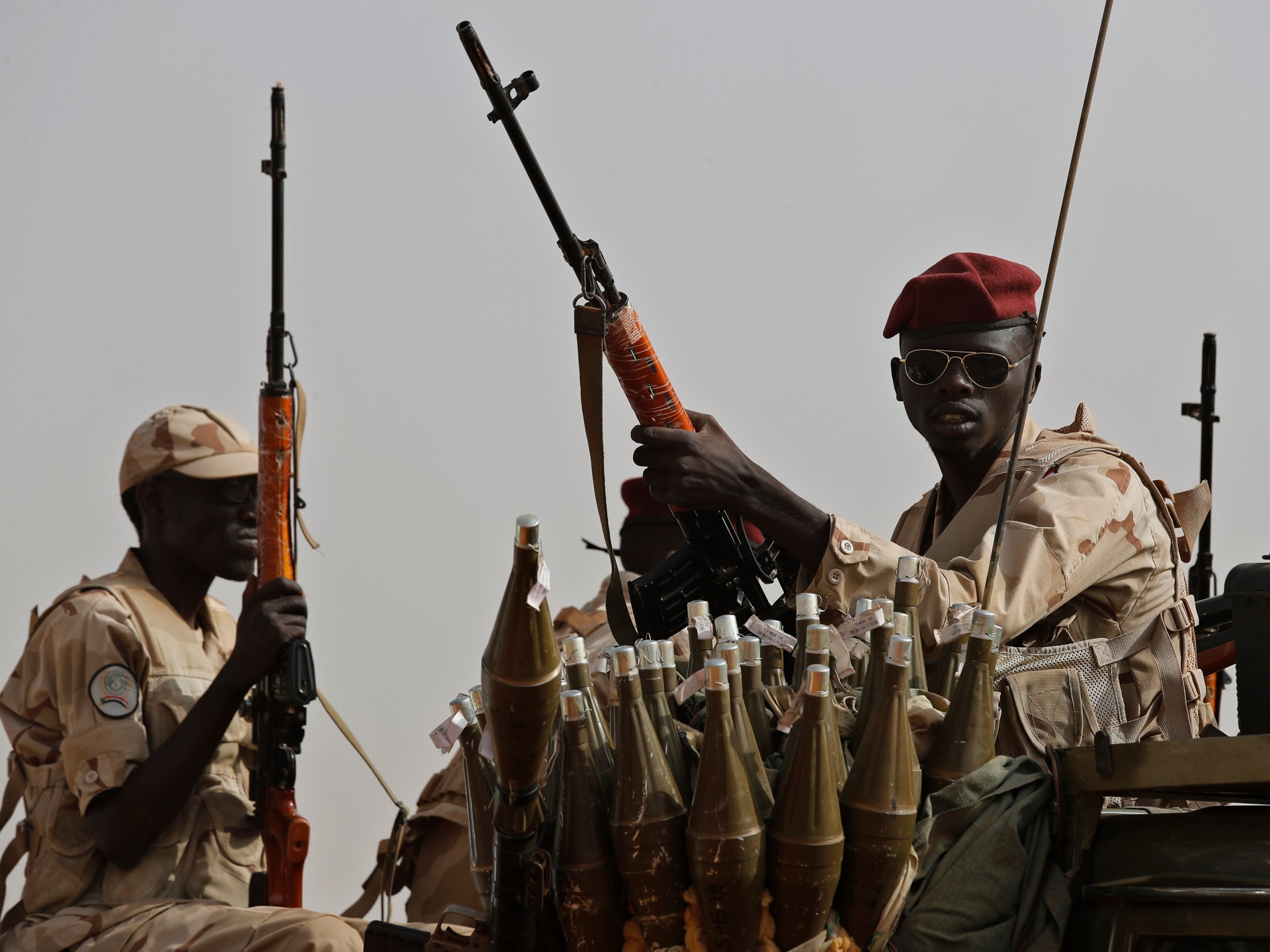
The African Union launched a two-day field mission to Sudan this week, aiming to advance peace negotiations and address the humanitarian crisis stemming from three years of conflict. The AU Peace and Security Council is working to establish a ceasefire between the Sudanese Armed Forces and the Rapid Support Forces while improving access for aid delivery and reviving political dialogue to determine the country’s future.
The timing of this intervention comes as the military landscape remains deadlocked. The SAF has reclaimed significant territory around Khartoum, while the RSF maintains control over much of Darfur and continues operations elsewhere. Fighting has intensified in Kordofan, a strategically vital region linking different parts of the country. Despite these shifts, neither combatant has achieved decisive victory, leaving both sides convinced they can still gain ground through continued military action.
Previous AU-led diplomatic efforts have struggled to produce results. Agreements signed in Saudi Arabia in 2023 and subsequent mediation attempts failed to halt the violence. The core challenge remains unchanged: both armed groups see little incentive to compromise while believing military success remains possible. The AU faces the complex task of reducing fighting enough to enable humanitarian work and negotiations, while ensuring any settlement addresses the underlying political issues that sparked the war, not merely distributing power between two military factions.
Originally reported by Aljazeera →
About the Author