Malaria’s Drug Resistance Is Becoming Alarmingly Sophisticated, Study Finds
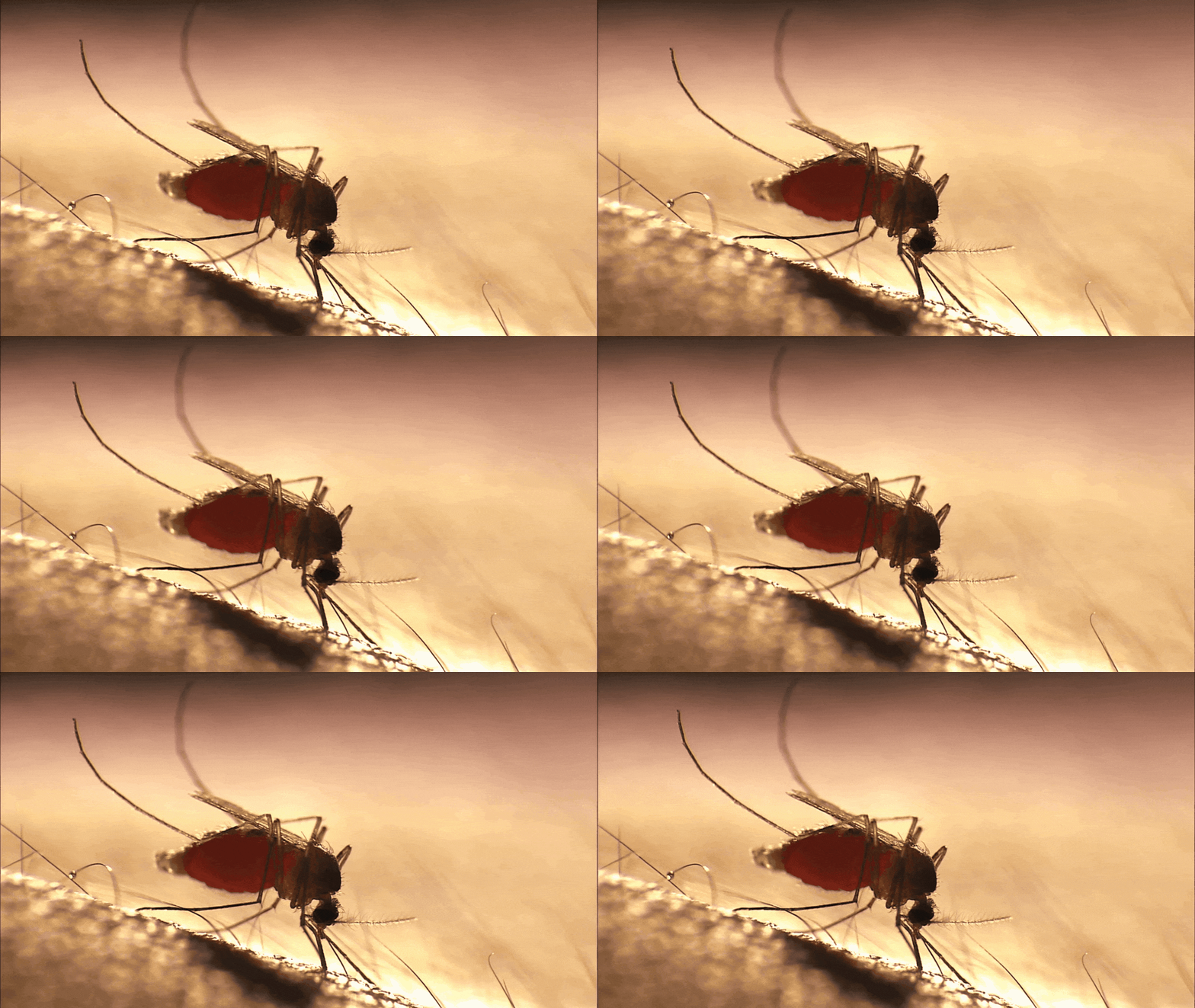 An early warning.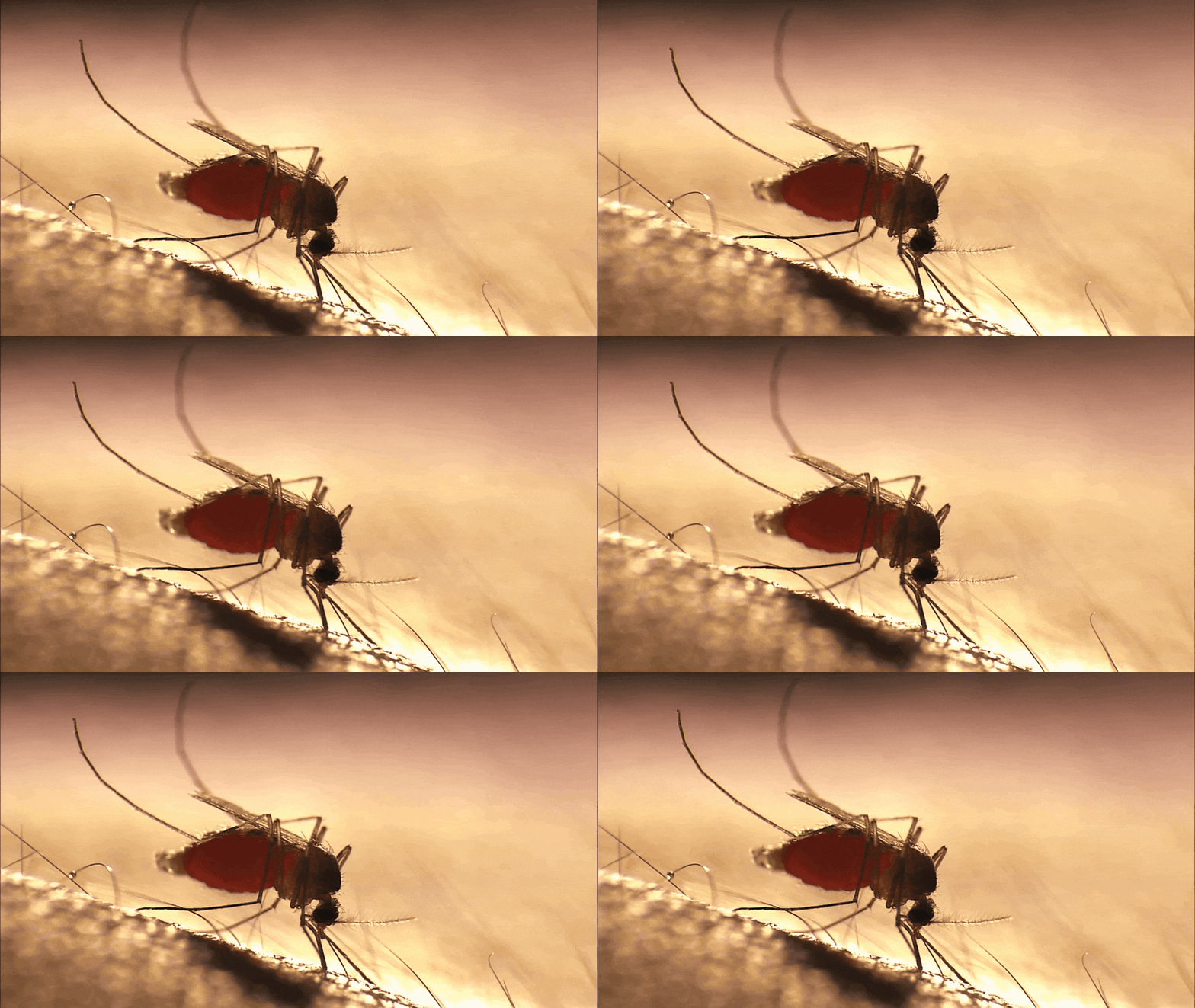
Recent genetic research has revealed that malaria parasites are accumulating multiple drug-resistant mutations simultaneously, presenting an increasingly complex threat to global health efforts. Scientists analyzed over 600 parasite samples from Ethiopia and discovered that the pathogen responsible for the deadliest form of malaria is carrying resistance markers to numerous antimalarial drugs in concerning combinations, according to findings published in Nature Microbiology.
The study highlights a particularly troubling pattern: parasites resistant to chloroquine, a drug discontinued for malaria treatment decades ago, showed more than triple the likelihood of also carrying resistance to artemisinin, one of the most critical modern antimalarial therapies. Researchers attribute this persistence to the continued use of chloroquine for treating a different malaria parasite that circulates in overlapping regions, creating sustained evolutionary pressure that keeps older resistance mechanisms alive.
Malaria kills hundreds of thousands annually, with children under five in Africa bearing the heaviest burden. The parasite has developed resistance to virtually every major antimalarial drug introduced over the past seven decades. While the study focused on genetic markers rather than actual treatment failures, the clustering of multiple resistance genes within single parasites suggests the disease could become increasingly difficult to treat if these genetic advantages translate into clinical resistance.
The findings underscore the urgent need for continued surveillance and development of new treatment strategies as malaria parasites evolve defenses faster than public health systems can adapt.
Originally reported by Sciencealert →
About the Author